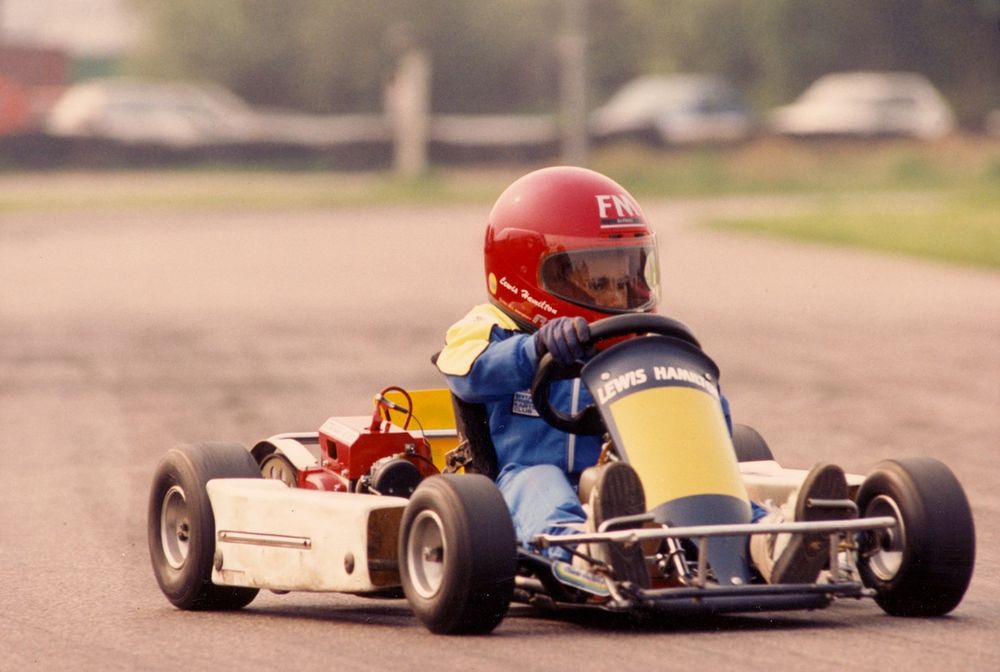
Lewis Hamilton Urges Formula 1 and FIA to Tackle Soaring Karting Costs: “Talent Should Matter More Than Money”
Lewis Hamilton has voiced serious concerns about the rising financial barriers facing young drivers in motorsport, warning that the sport risks excluding talented children from ordinary backgrounds unless significant action is taken. The seven-time Formula 1 world champion believes karting—the traditional starting point for aspiring racers—has become so expensive that it is increasingly inaccessible to many families.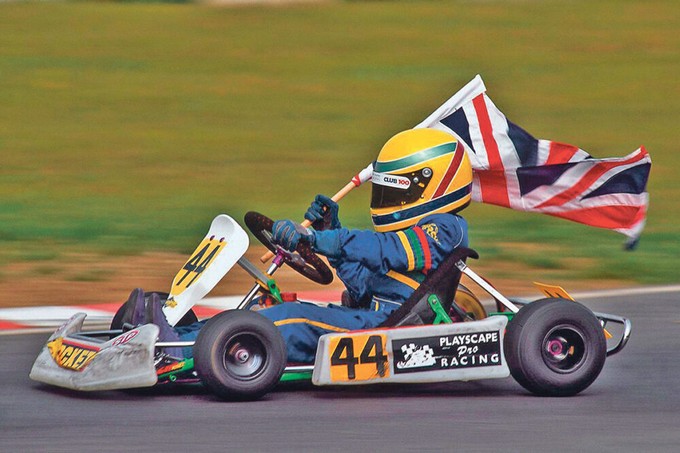
Hamilton argued that motorsport’s entry-level pathway is moving in the wrong direction and called on both Formula 1 and the FIA to take responsibility for addressing the issue. According to the Ferrari driver, the escalating costs of karting and junior racing categories are creating a system where financial resources matter more than natural ability.
The British star has long spoken about the challenges his own family faced while supporting his racing ambitions. Growing up in a working-class household, Hamilton relied heavily on the sacrifices made by his father, Anthony Hamilton, who worked multiple jobs to fund his son’s karting career.
Reflecting on the current state of the sport, Hamilton suggested that the financial demands facing modern families are dramatically higher than those encountered during his own rise through the ranks.
Although he admitted he has not conducted a detailed study of current karting economics, Hamilton said he has watched the trend develop over time and believes the situation continues to worsen.
In his view, there is insufficient accountability among the organizations responsible for governing and managing the sport. He argued that more proactive measures are required to ensure motorsport remains accessible to young people regardless of their economic background.
Hamilton described some of the figures being spent in youth karting as astonishing.
He revealed that he personally knows of a family whose eight-year-old child is reportedly competing with an annual budget exceeding one million dollars. For Hamilton, such numbers highlight how dramatically the landscape has changed.
While he acknowledged that inflation and technological advancements naturally increase costs over time, he believes the current situation has reached an unreasonable level.
The contrast with his own childhood experience is particularly striking.
Hamilton recalled that during his first year in karting, his father spent approximately £20,000 to support his racing efforts. Even that amount represented a significant financial burden. His family had to make major sacrifices, including taking on debt and stretching their resources to the limit.
Despite those challenges, it was still possible for talented young drivers from ordinary households to compete against wealthier rivals.
Hamilton fears that this is no longer the case.
According to him, families without substantial financial backing now face an almost impossible task when attempting to progress through the motorsport ladder. The gap between those with access to large budgets and those relying on talent alone has become increasingly difficult to overcome.
As a result, many gifted young racers may never receive the opportunity to demonstrate their abilities.
Hamilton believes this trend undermines one of the fundamental principles of competition.
Ideally, sport should reward skill, determination, and hard work. Instead, he argues that motorsport is increasingly rewarding financial advantage.
He expressed concern that success in karting and junior categories often depends more on available resources than on pure driving talent. Wealthier families can afford additional testing, better equipment, larger support teams, and more extensive development programs.
These advantages can create opportunities that are simply unavailable to drivers from less affluent backgrounds.
Hamilton warned that if the situation remains unchanged, motorsport could continue becoming less diverse and less meritocratic in the years ahead.
He suggested that the issue extends beyond karting itself.
As drivers progress through Formula 4, Formula 3, Formula 2, and other developmental categories, the financial requirements become even greater. Each step up the ladder demands larger budgets, making it increasingly difficult for talented individuals to compete without substantial sponsorship or family support.
In Hamilton’s opinion, this creates a system where financial privilege often determines who receives opportunities.
The result is that some of the most naturally gifted young racers may never reach Formula 1 simply because they lack the necessary funding.
For Hamilton, solving this problem should be a priority for the sport’s governing bodies.
He believes both the FIA and Formula 1 have the authority and responsibility to implement meaningful reforms. Without intervention, he fears the current trajectory will continue for decades.
Hamilton is not alone in expressing concern.
Four-time world champion Max Verstappen has also highlighted the escalating costs associated with karting and youth racing. The Dutch driver, who operates his own racing and esports programs aimed at developing young talent, believes the issue has become increasingly serious.
Verstappen pointed out that karting played an essential role in his own development, providing valuable racing experience and helping him build the skills required for professional competition.
However, he acknowledged that the financial demands of karting have risen dramatically in recent years.
According to Verstappen, some families now spend between $10,000 and $12,000 for a single event in entry-level karting categories. He described those figures as extraordinary and argued that such costs inevitably exclude talented drivers who lack financial support.
In his view, motorsport risks losing future stars because many potential competitors simply cannot afford to participate.
While Verstappen recognizes the importance of traditional karting, he also sees alternative pathways emerging.
One area he believes offers significant promise is simulator racing.
Modern simulation technology has advanced enormously over the past decade, providing young drivers with opportunities to develop skills at a fraction of the cost associated with real-world racing.
Verstappen noted that many aspiring racers now combine karting with extensive simulator training. Some are even gaining experience in Formula 4 and GT machinery through virtual preparation before stepping into actual race cars.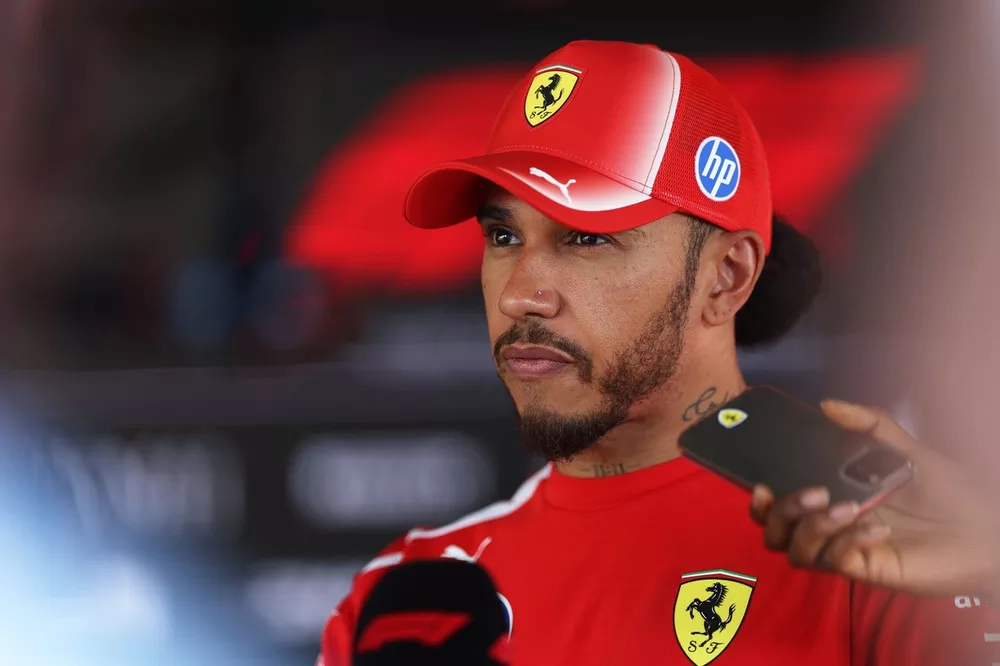
Because current simulators closely replicate real-world vehicle dynamics, he believes young drivers can arrive better prepared than ever before.
Although simulation cannot completely replace real racing experience, Verstappen sees it as a valuable tool for reducing costs and expanding access to the sport.
Another driver who understands the financial challenges of motorsport is Esteban Ocon.
The French racer has frequently spoken about the sacrifices his family made during his childhood. In order to support his racing ambitions, Ocon’s parents sold their family home and devoted enormous resources to his career.
Looking at today’s costs, Ocon believes his own path to Formula 1 might have been impossible under current conditions.
He admitted that if he were beginning his karting journey now, the financial demands alone could have prevented him from progressing.
Like Hamilton and Verstappen, Ocon described modern karting expenses as extremely high and expressed disappointment that the sport has become so costly.
At the same time, he agrees that simulator training could help reduce barriers for future generations.
Ocon suggested that an effective development model might involve a combination of virtual and real-world racing. By spending a greater proportion of training time in simulators and reducing the number of expensive karting sessions, young drivers may be able to continue developing their skills while controlling costs.
However, he stressed that access to real racing remains essential.
No simulator, regardless of its sophistication, can completely replace the lessons learned behind the wheel of an actual kart or race car.
The challenge is finding ways to make those opportunities affordable.
Recognizing the growing concern, the FIA has already begun taking steps to address the issue.
The governing body recently launched a three-year Global Karting Plan designed to broaden access to motorsport and create more affordable pathways for emerging talent.
Among the initiatives introduced is an Arrive and Drive World Cup format that uses standardized karts to reduce equipment-related spending. One such event was held in Malaysia, providing young competitors from across Asia with a more cost-effective platform to showcase their abilities.
The FIA has also established a Karting Excellence Centre aimed at identifying promising drivers and providing educational resources, mentorship, and developmental support.
These measures represent an initial effort to slow the rapid growth of costs and ensure talented young racers are not overlooked.
Nevertheless, Hamilton believes much more work remains to be done.
For him, the future health of motorsport depends on maintaining opportunities for drivers from all backgrounds. He argues that Formula 1 should continue striving to identify and reward the best talent available, regardless of financial circumstances.
If the sport becomes accessible only to the wealthiest families, it risks losing not only diversity but also many future champions.
Hamilton’s message is clear: motorsport’s next generation should be determined by ability, dedication, and passion—not by the size of a family’s bank account.