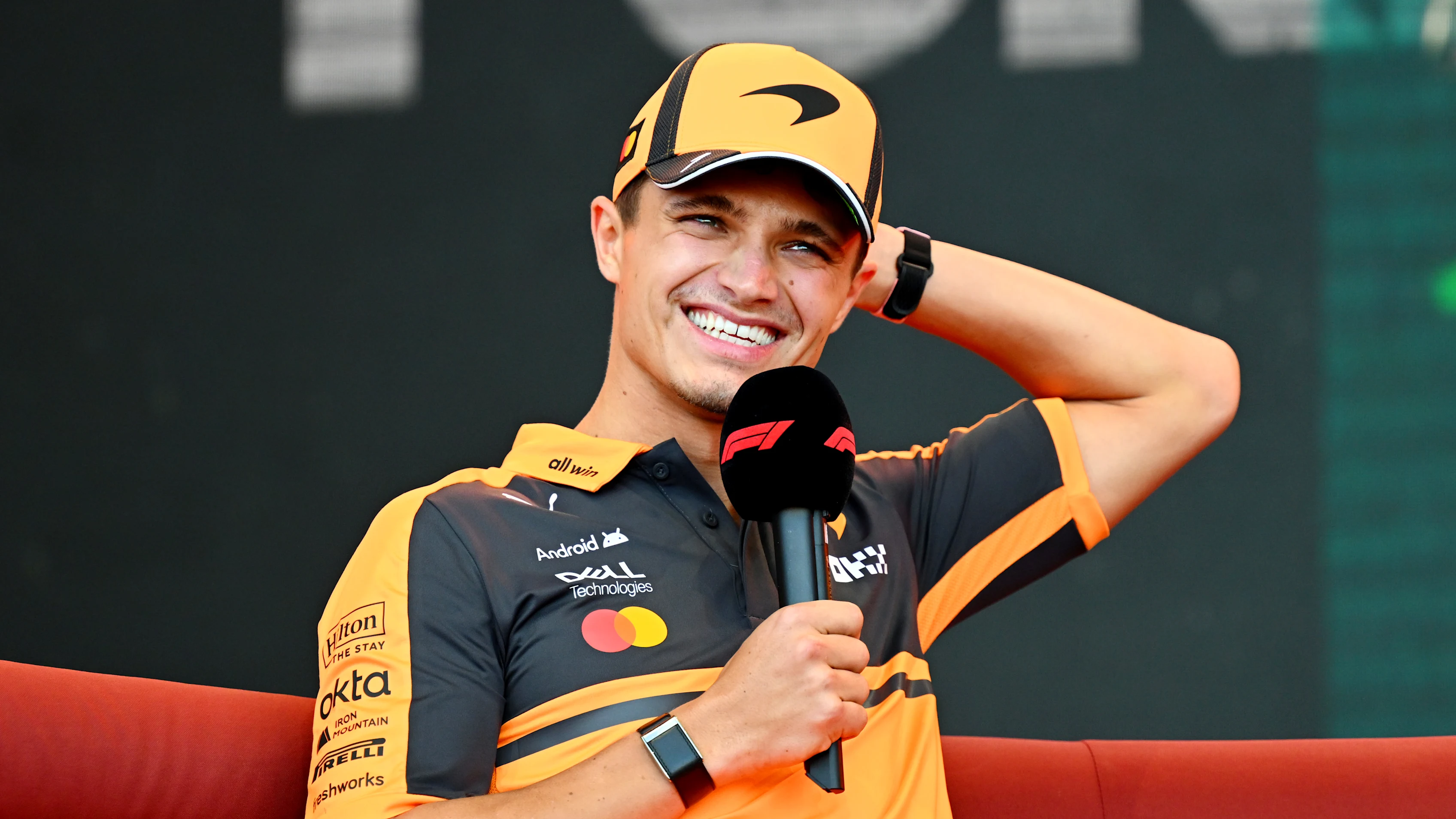
Lando Norris shows signs of fatigue after embracing every celebration of his first title
The early phase of the 2026 Formula 1 season has sparked debate around Lando Norris, with some observers questioning whether the reigning world champion has fully reset after the whirlwind of success that defined his 2025 campaign. Having finally secured his maiden title in dramatic fashion, Norris entered the new season with heightened expectations—but his performances so far have suggested a more subdued start than many anticipated.
After three races, Norris sits fifth in the standings with 25 points, a position that reflects both inconsistency and misfortune. One key setback came in China, where he qualified a respectable sixth but was ultimately unable to start the race due to technical issues. Meanwhile, McLaren—the team that powered his championship triumph—has slipped from its dominant position, leaving Norris without the competitive edge he enjoyed just months earlier.

However, the more intriguing storyline lies not in the standings, but in Norris’s demeanor and performance relative to his teammate, Oscar Piastri. Although Norris technically leads Piastri by four points, the numbers tell a deeper story. The Australian has only started one race yet has already demonstrated impressive pace, even holding a 3-0 advantage in qualifying sessions. That statistic, in particular, has raised eyebrows, as Norris was widely regarded as one of the fastest drivers over a single lap during his title-winning season.
Some analysts believe the explanation may lie beyond the track. During a review segment on F1TV, commentator Alex Jacques highlighted Norris’s packed post-championship schedule. Following his coronation at the Abu Dhabi Grand Prix, Norris reportedly accepted nearly every invitation that came his way—media appearances, sponsor commitments, celebratory events, and global engagements befitting a newly crowned champion.
While such a schedule is understandable, Jacques questioned whether it came at a cost. The off-season leading into 2026 was unusually short, with just seven weeks separating the final race in Abu Dhabi and the start of pre-season testing in Barcelona. For a driver who had just experienced the emotional and physical intensity of a championship battle, that limited window offered little time to decompress, reset, and prepare.
Jacques suggested that Norris may not have fully disengaged from the spotlight before returning to work. By attending every event and embracing the role of world champion to its fullest, he may have sacrificed the quiet, focused preparation that often underpins sustained success. In elite sport, recovery is not just physical—it is mental. Without adequate downtime, even the most talented athletes can struggle to regain peak sharpness.
Observers within the paddock have noted subtle signs of fatigue. Norris, usually known for his upbeat personality and relaxed confidence, has at times appeared slightly drained or less animated. Jacques described him as a driver who seems “a little bit tired,” still adapting to the demands of a new regulatory era while carrying the weight of his recent achievements.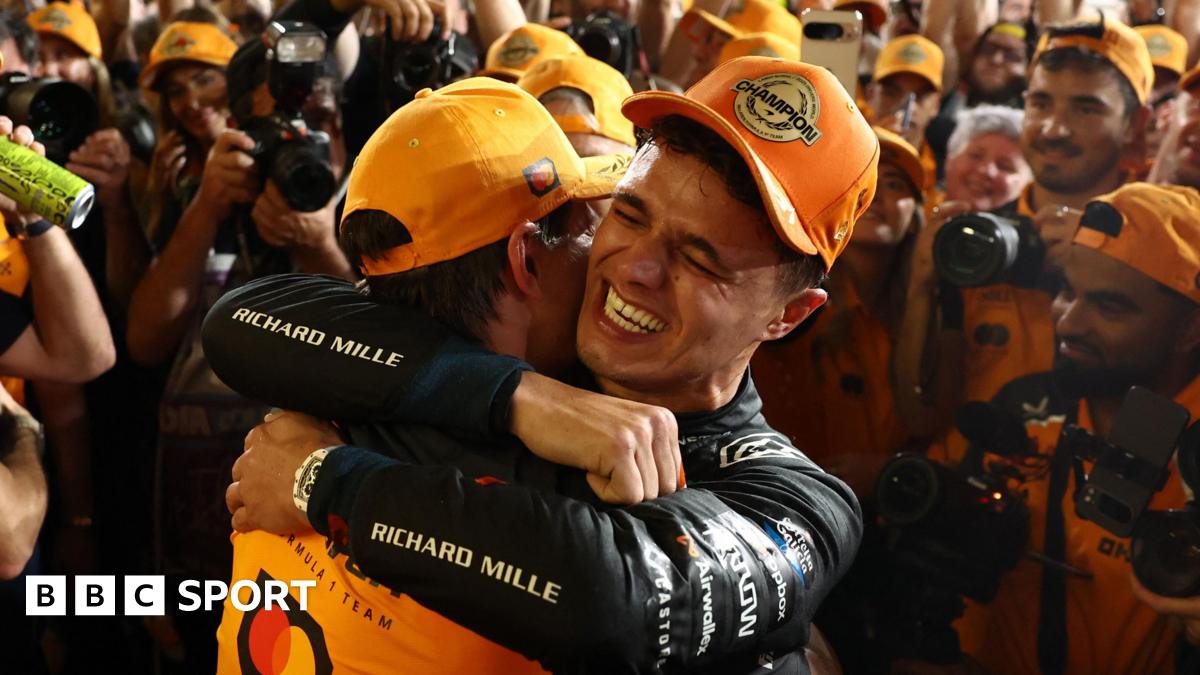
The 2026 season has introduced a fresh set of technical regulations, requiring drivers to adjust their approach. Norris himself admitted that he is still learning the nuances of the new cars. During the Japanese Grand Prix, for instance, he explained that an overtake on Lewis Hamilton happened almost unintentionally due to differences in energy deployment systems. Moments like that underline how much adaptation is still required, even for a reigning champion.
Jacques believes this combination—limited rest, heavy off-track commitments, and the challenge of mastering new machinery—has created a perfect storm. Motivation levels, he argues, can fluctuate across the grid, and drivers who have recently achieved their ultimate goal may experience a natural dip before reigniting their competitive fire.
Not everyone agrees with the more critical assessments. Former F1 driver and analyst Jolyon Palmer has offered a more sympathetic perspective. Speaking on the same F1TV program, Palmer emphasized that Norris’s results do not fully reflect his true performance level. Instead, he pointed to reliability issues within McLaren’s package as a major contributing factor.
According to Palmer, Norris has been “hobbled” by problems beyond his control, preventing him from showcasing his full potential. Mechanical setbacks, combined with strategic challenges, have disrupted his rhythm and limited his ability to build momentum. In such circumstances, even the most motivated driver can appear underwhelming.
Palmer also highlighted Piastri’s strong form, particularly in Japan, where the young Australian delivered an impressive performance. While he acknowledged that Piastri has had the upper hand in the opening races, he cautioned against drawing definitive conclusions. Norris, he argued, remains a proven race-winner and is likely to return to the front as the season progresses.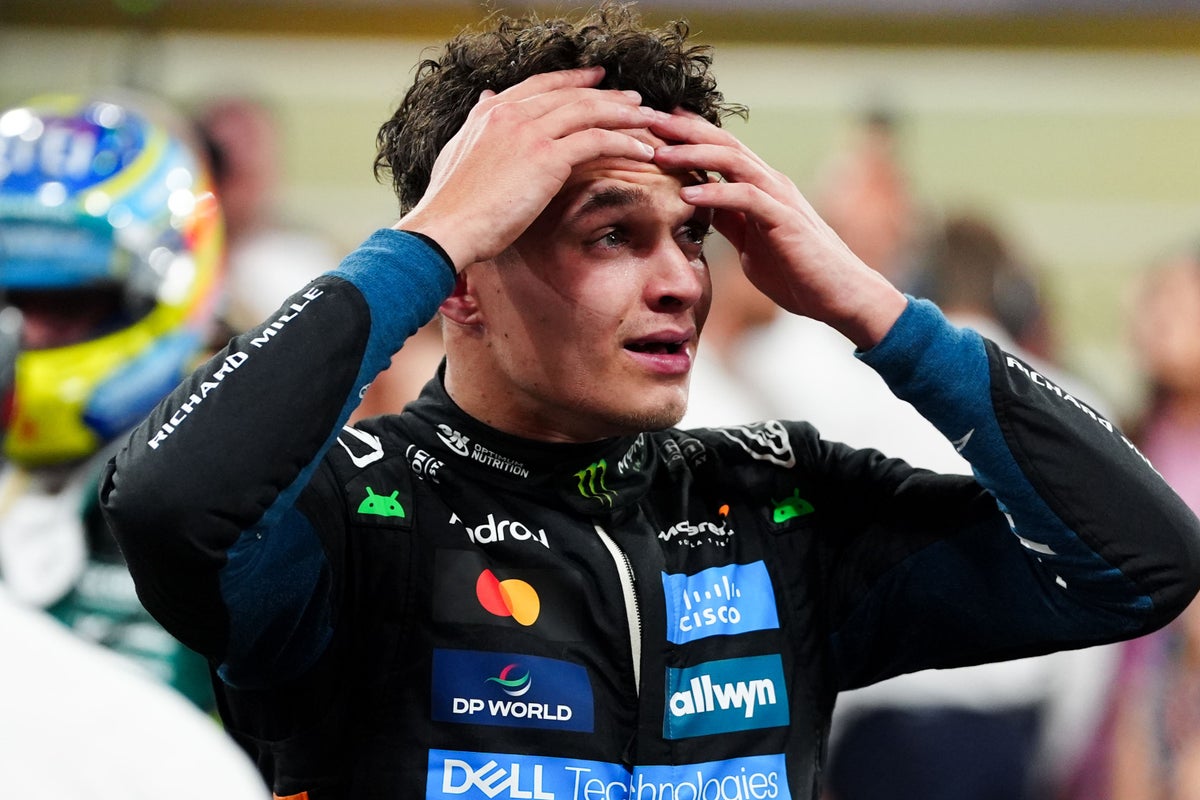
“I would expect him to be winning races again,” Palmer suggested, expressing confidence that Norris will re-establish himself as a leading force once McLaren resolves its early-season issues. This optimism reflects a broader belief within the paddock that Norris’s talent has not diminished—only his circumstances have changed.
There is also an interesting psychological dynamic at play between the two McLaren drivers. While Norris enters the season as defending champion, Piastri carries the frustration of a missed opportunity. In 2025, he came close to mounting a serious title challenge but ultimately fell short. That near-miss may now serve as powerful motivation, driving him to push even harder in 2026.
In contrast, Norris is navigating a different emotional landscape. Having reached the pinnacle of the sport, he must now find a new source of motivation—something that can match the intensity of his first title pursuit. This transition is often underestimated but can be one of the most difficult phases in an athlete’s career.
McLaren, for their part, insist that both drivers are working collaboratively to improve the car. After a season marked by fierce internal competition, the team is keen to foster unity and channel their combined feedback into development gains. The goal is clear: return to the front of the grid and give both Norris and Piastri the tools to fight for victories.
Behind the scenes, engineers are reportedly focused on addressing reliability concerns and refining the car’s balance under the new regulations. If they succeed, the narrative around Norris could quickly shift. A few strong results would not only boost his confidence but also silence questions about his motivation and fitness.
For now, the situation remains finely balanced. Norris is neither in crisis nor at his peak—he is somewhere in between, adjusting to a new reality as world champion while dealing with external pressures and internal expectations. The early signs of fatigue may be real, but they are far from irreversible.
In many ways, this period could prove to be a defining chapter in his career. How Norris responds—whether he can rediscover his focus, adapt to the evolving technical landscape, and fend off a hungry teammate—will determine whether his first title becomes the foundation of a legacy or a standalone achievement.
What is certain is that the talent that carried him to the top has not disappeared. The question now is whether he, and McLaren, can recalibrate quickly enough to turn a slow start into another championship-caliber campaign.