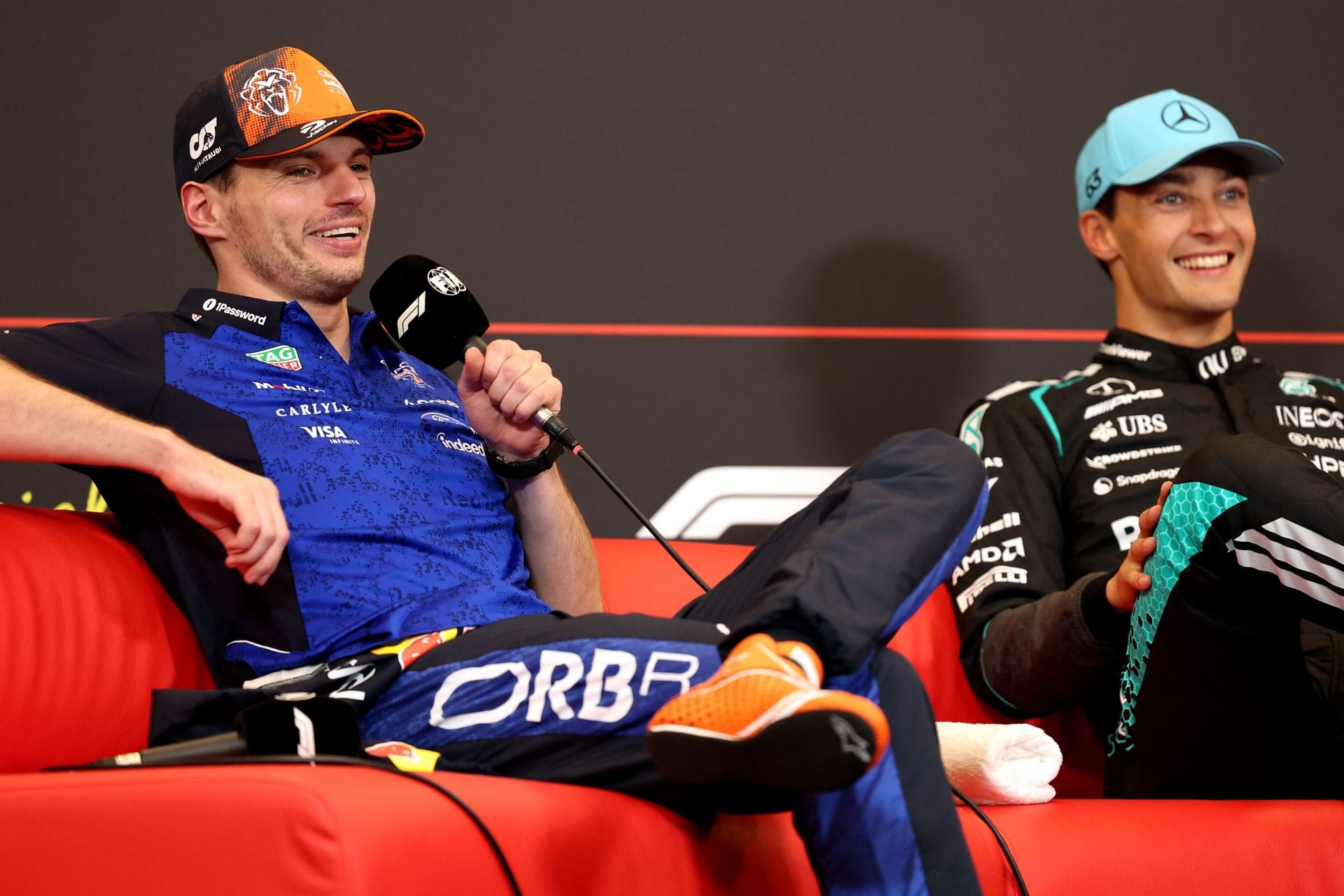
Max Verstappen added a touch of humor to an intense Austrian Grand Prix by making a sarcastic remark over team radio that immediately caught the attention of Formula 1 fans. The reigning world champion jokingly suggested that yellow flags meant he should continue at full speed, a clear reference to the controversy that unfolded during qualifying one day earlier involving Mercedes driver George Russell.
Although the comment lasted only a few seconds, it quickly became one of the most talked-about radio messages of the weekend. Verstappen’s playful response highlighted not only his sense of humor but also the lingering discussion surrounding Russell’s dramatic pole position lap, which had sparked widespread debate throughout the paddock.
The controversy originated during Saturday’s qualifying session at the Red Bull Ring. As the final minutes of Q3 ticked away, drivers pushed to extract every last fraction of a second in the battle for pole position. George Russell delivered a stunning final lap that vaulted him to the top of the timing sheets, denying his rivals in the closing moments of an incredibly competitive session.
Russell’s last-gasp improvement secured the fastest time and earned Mercedes a valuable pole position. However, celebrations were almost immediately accompanied by questions about whether the lap should stand after yellow flags appeared on the circuit during his run.
The yellow flags were triggered after Max Verstappen suffered an incident at Turn 9. The Red Bull driver lost control and crashed heavily enough to bring out caution signals for approaching drivers. Under Formula 1 regulations, competitors are required to reduce speed whenever yellow flags are displayed, with the level of response depending on whether single or double yellow flags are shown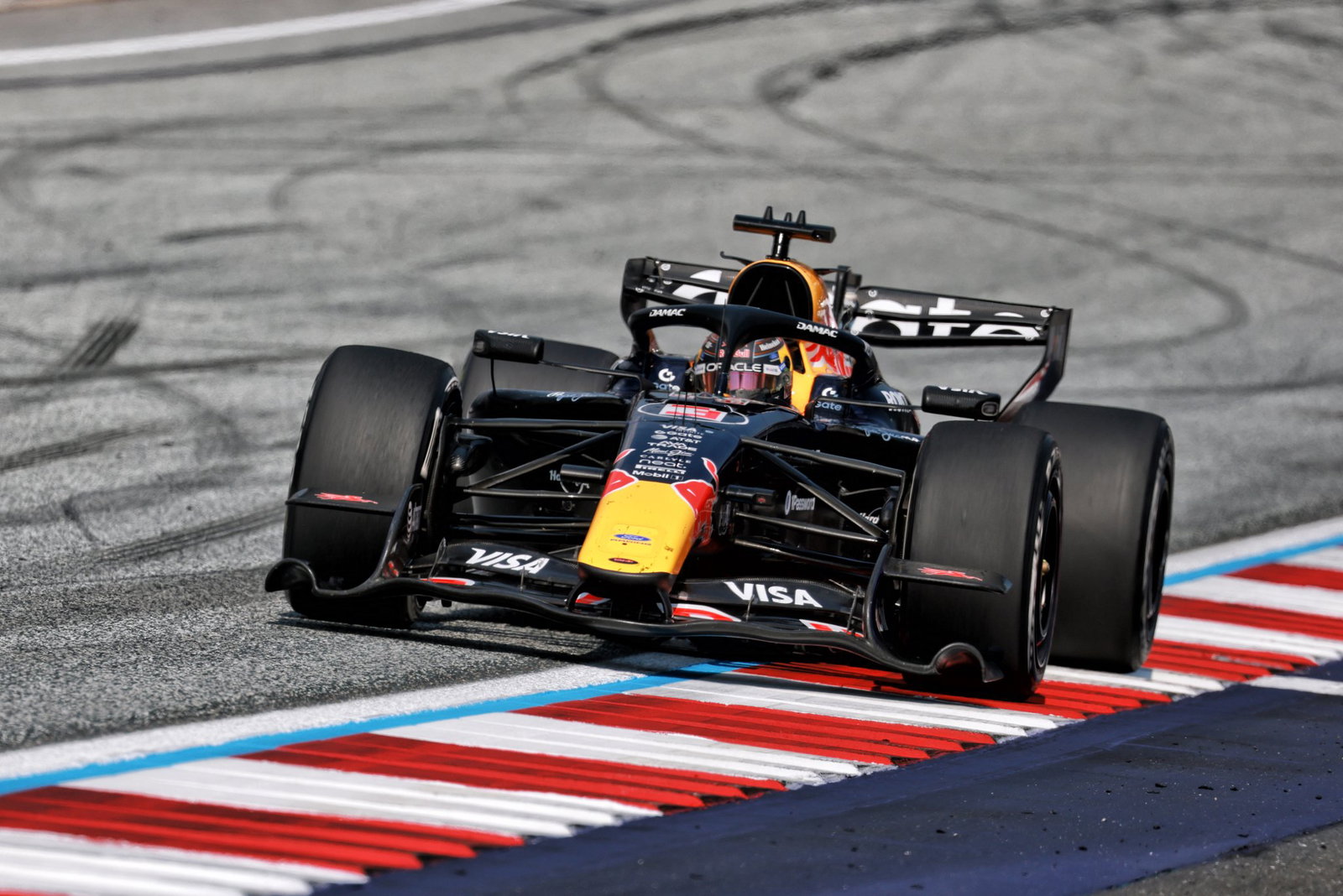 .
.
Initially, marshals displayed a single yellow flag before upgrading the warning to double yellows as the situation developed. Russell encountered the caution zone during his pole-setting lap, leading many observers to wonder whether he had slowed sufficiently to comply with the regulations.
As soon as qualifying concluded, social media erupted with speculation. Fans debated whether Russell had gained an unfair advantage by continuing his lap despite the caution flags, while several television commentators questioned whether race stewards might launch an investigation into the incident.
Mercedes, however, remained confident that its driver had acted entirely within the rules.
The team presented detailed telemetry and data traces to demonstrate Russell’s response to the yellow flags. According to Mercedes, the British driver lifted off the throttle approximately 100 meters earlier than usual as he approached the scene of Verstappen’s accident. Those telemetry readings showed a measurable reduction in speed, satisfying the requirements established by the FIA.
After reviewing the available evidence, race officials accepted Mercedes’ explanation and allowed Russell to retain pole position. No further action was taken, bringing an official end to the controversy, although discussions among fans and analysts continued long after qualifying had finished.
While the incident had technically been resolved, Verstappen clearly had not forgotten about it by the time Sunday’s Grand Prix got underway.
During the race, another yellow-flag situation developed when Carlos Sainz encountered mechanical problems with his Williams. The Spaniard’s car came to a stop on the start-finish straight, forcing marshals to display yellow flags before a Virtual Safety Car period was eventually introduced to manage the situation safely.
As always, Red Bull race engineer Gianpiero Lambiase immediately informed Verstappen about the developing hazard. Over the radio, Lambiase carefully warned his driver about the location of the incident, advising him that yellow flags were being displayed around Turn 10 and that double yellow flags extended across the start-finish line.
The message was entirely routine, reflecting the constant communication between engineer and driver throughout every Formula 1 race. Engineers regularly provide information about accidents, debris, weather conditions, traffic, and safety procedures to ensure drivers can react appropriately in rapidly changing situations.
Instead of simply acknowledging the instruction, Verstappen responded with a humorous remark that instantly referenced Saturday’s qualifying drama.
With perfect timing, the Dutchman asked whether the yellow flags meant he could drive flat-out past the stranded car. His sarcastic question was an unmistakable nod to the previous day’s debate surrounding Russell’s qualifying lap and the arguments over whether sufficient speed reduction had taken place.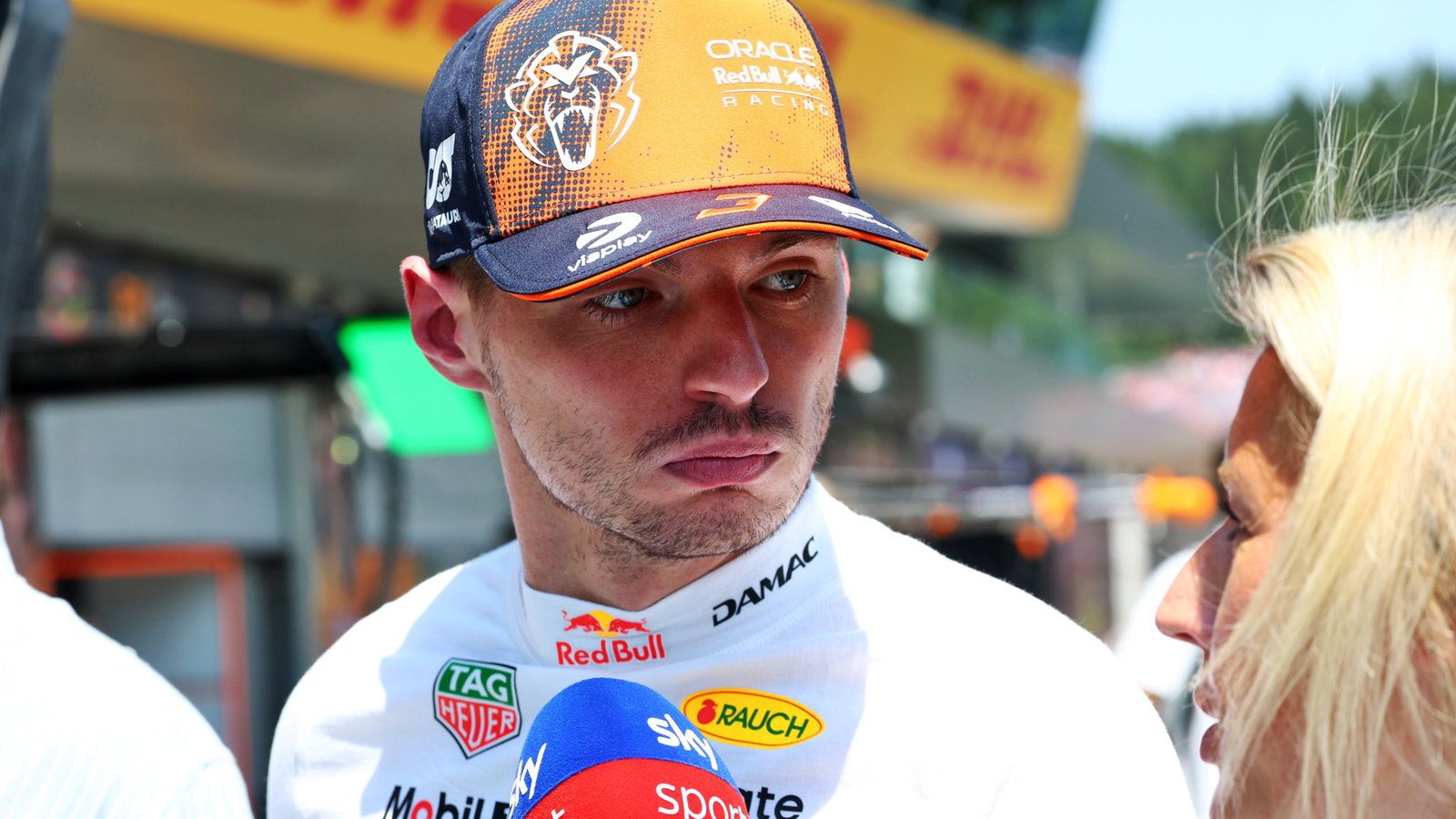
Recognizing that sarcasm does not always translate clearly over team radio, Verstappen quickly added that he was joking, preventing any misunderstanding about his intentions. His clarification ensured the exchange remained lighthearted while making it obvious that he was poking fun at the controversy rather than seriously questioning the safety procedures.
Although brief, the exchange perfectly captured Verstappen’s personality. The four-time world champion has built a reputation for combining fierce competitiveness with a dry sense of humor, often delivering memorable one-liners over the radio during both practice sessions and races. His relationship with Gianpiero Lambiase is particularly well known throughout Formula 1, with the pair frequently sharing witty exchanges alongside serious strategic discussions.
The joke also illustrated how long incidents can linger in the minds of drivers, even after race officials have closed investigations. While Mercedes had successfully defended Russell’s pole position through objective telemetry evidence, Verstappen clearly saw an opportunity to inject a little humor into the ongoing conversation.
Fans quickly reacted to the radio message after it surfaced online. Many appreciated Verstappen’s quick wit and interpreted the comment as harmless banter between fierce rivals. Others viewed it as another example of the psychological games that often accompany championship battles, where even seemingly casual remarks can subtly remind competitors of previous controversies.
Regardless of interpretation, the exchange added another memorable moment to an already eventful Austrian Grand Prix weekend. Formula 1 has increasingly embraced team radio broadcasts as an important part of race coverage, allowing supporters to hear drivers’ immediate reactions without the filtering that often accompanies post-race interviews. Moments like Verstappen’s joke demonstrate why these radio messages have become such a popular feature among fans.
The incident also highlighted the scrutiny surrounding yellow-flag regulations in modern Formula 1. With qualifying sessions often decided by only a few hundredths of a second, every driver’s response to caution flags is carefully examined by teams, officials, broadcasters, and supporters alike. Telemetry data, onboard cameras, GPS positioning, and timing information all play a role in determining whether regulations have been respected.
In Russell’s case, the available evidence ultimately convinced the FIA that he had complied with the sporting regulations despite setting the fastest lap. Verstappen’s playful radio message did not challenge that official decision but instead served as a humorous reminder of how dramatic and controversial qualifying had been only 24 hours earlier.
As Formula 1 continues through another fiercely competitive season, rivalries between top teams and drivers are producing both intense racing and memorable off-track moments. Verstappen’s tongue-in-cheek comment demonstrated that even amid the pressure of a Grand Prix, there is still room for humor. While championships are decided through performance on the circuit, moments of personality like this continue to entertain fans and add another layer of intrigue to one of motorsport’s most competitive rivalries.