Formula One’s governing authority, the FIA, has unveiled a sweeping package of mid-season regulatory changes ahead of the Miami Grand Prix, responding to mounting pressure from leading drivers such as Max Verstappen and Lando Norris. The decision comes after a turbulent and divisive opening phase of the 2026 season, during which competitors, teams, and fans have all questioned the direction the sport has taken.
At the heart of the controversy lies a series of technical changes introduced at the start of the season, particularly those involving the new generation of 50-50 electric-hybrid power units. While these innovations were intended to modernize Formula One and improve sustainability, many drivers quickly voiced frustration that the racing itself had become overly dependent on energy management. Instead of showcasing raw pace and wheel-to-wheel skill, races increasingly revolved around conserving battery power, managing deployment cycles, and carefully timing energy recovery phases.
Several drivers described the new experience as “over-engineered,” arguing that it diluted the essence of Formula One. Rather than pushing their cars to the absolute limit on every lap, they were often forced to compromise—lifting off the throttle earlier than expected or delaying overtakes to ensure sufficient energy reserves. This shift not only altered race strategies but also affected the spectacle, with fans noticing fewer spontaneous battles and more calculated, system-driven racing.
Among the most outspoken critics has been Verstappen, a four-time world champion whose difficult start to the season has only amplified his concerns. Sitting ninth in the drivers’ standings after three races, he has struggled to adapt to the new dynamics. In several candid interviews, he suggested that the current regulations were steering Formula One away from its traditional identity. At one point, he even admitted that he had contemplated stepping away from the sport entirely if the situation did not improve—a statement that sent shockwaves through the paddock and beyond.
Concerns have not been limited to competitiveness alone. Safety has also emerged as a major issue, particularly in relation to how the hybrid systems harvest and deploy energy. The crash involving Ollie Bearman during the Japanese Grand Prix served as a stark warning. Prior to the incident, several drivers had already raised alarms about unpredictable power delivery, especially at high speeds. They reported instances where the car’s behavior changed abruptly due to sudden energy surges or drops, making it harder to maintain control in critical moments.
Norris, the reigning world champion, echoed these fears with striking clarity. He warned that unless immediate changes were implemented, the sport risked serious accidents, painting a vivid picture of cars potentially “flying over fences” due to instability caused by inconsistent energy deployment. His comments underscored a growing consensus among drivers that urgent intervention was necessary—not just for fairness, but for safety.
Faced with increasing criticism, the FIA seized an unexpected opportunity to act. The cancellation of races in Saudi Arabia and Bahrain created a gap in the calendar, allowing officials to conduct a thorough review of the regulations. A series of high-level meetings followed, bringing together FIA representatives, team principals, and chief executives from major power unit manufacturers. These discussions were reportedly intense, as stakeholders debated how best to balance innovation, competition, and safety without undermining long-term technical goals.
The outcome of these deliberations is a set of nine key regulatory adjustments designed to address the most pressing concerns.
Two of the changes apply specifically to qualifying sessions. First, the amount of energy that can be recharged during a single lap has been reduced from 8MJ to 7MJ. This modification aims to reduce the emphasis on energy harvesting, encouraging drivers to focus more on maintaining speed throughout their laps. Second, the maximum power that can be recovered when the car is at full throttle—without actively charging the battery—has been increased from 250kW to 350kW, helping to restore a more natural flow to performance.
During races, new restrictions have been introduced to limit disparities between cars operating under different energy conditions. The maximum output of the boost mode has been capped at 150kW, or the existing deployment level if lower. This measure is intended to prevent sudden and potentially dangerous speed differences that could arise when one driver has significantly more available energy than another.
In addition, the rules governing energy deployment across the track have been refined. Drivers are now permitted to use the full 350kW of power when accelerating out of corners, enhancing overtaking opportunities and making exits more dynamic. However, on other sections of the circuit, this figure is restricted to 250kW, ensuring greater stability and predictability at high speeds.
Flexibility has also been increased in terms of race strategy. The number of events where lower energy limits can be applied has been expanded from eight to twelve, giving teams more options to adapt their approach depending on circuit characteristics and race conditions.
Beyond power unit adjustments, the FIA has introduced changes aimed at improving grip and visibility. Tyre blanket temperatures have been raised, allowing tyres to reach optimal operating conditions more quickly at the start of stints. Meanwhile, rear light systems have been simplified to provide clearer and more consistent visual signals, particularly in wet or low-visibility conditions. This is expected to enhance driver awareness and reduce the risk of collisions.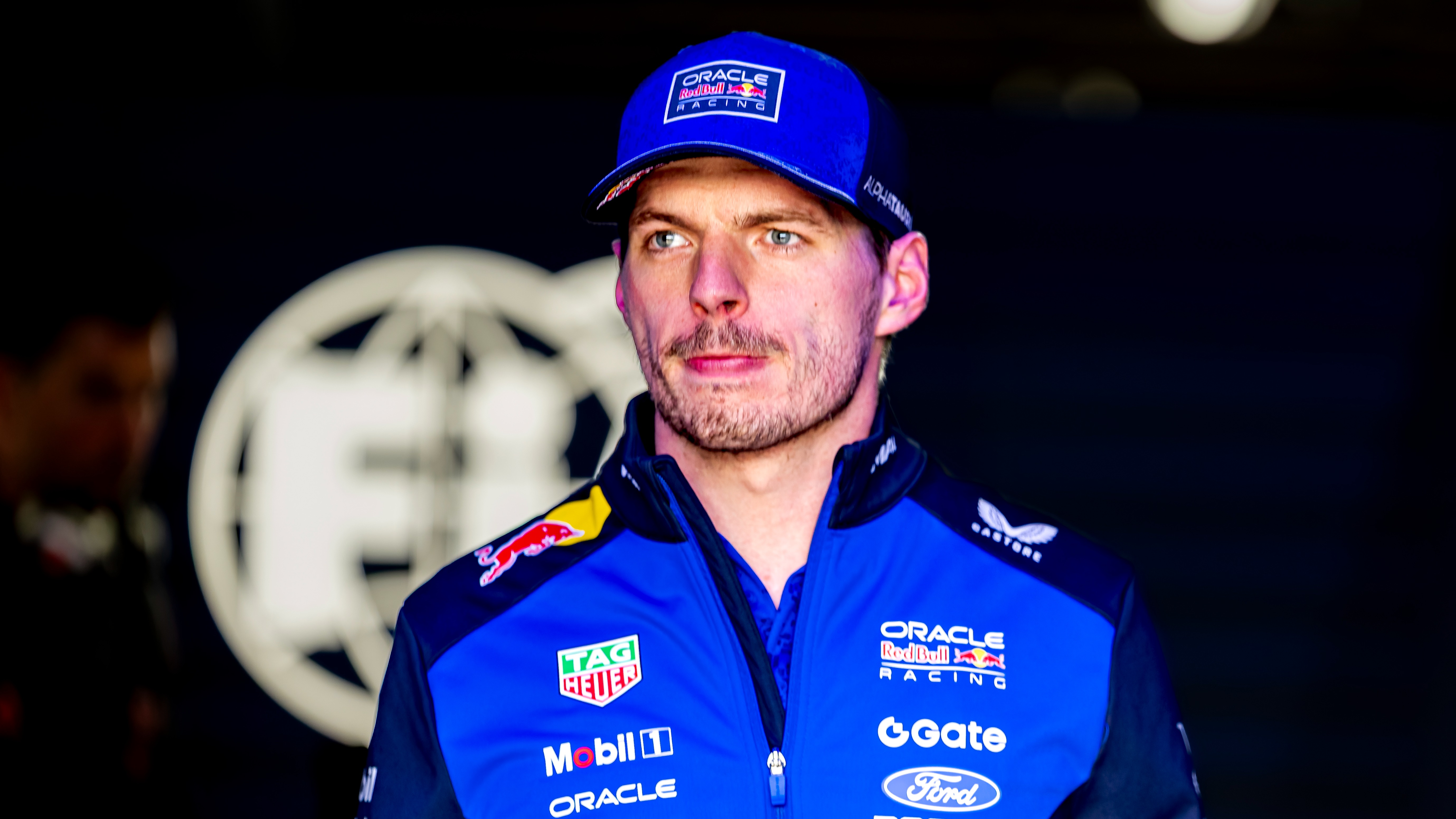
Further modifications involve the reduction of maximum ERS deployment levels, aligning with the broader goal of making power delivery more predictable and manageable.
A particularly intriguing aspect of the update is the introduction of experimental measures for race starts. These include a low-power start detection system designed to identify cars with unusually slow acceleration, as well as automatic deployment of the MGU-K to ensure consistent power delivery off the line. A new visual warning system will also be tested, alongside revised energy restrictions. Additionally, the energy counter will now reset at the beginning of the formation lap, ensuring that all drivers start under equal conditions.
In the lead-up to Miami, teams have been working tirelessly behind the scenes to adapt to the revised regulations. Engineers have revisited data from earlier races, searching for insights that could provide a competitive edge under the new rules. Simulation programs have been updated, and drivers have spent long hours in simulators, experimenting with different approaches to braking, throttle control, and energy usage.
Interestingly, some teams believe the changes could shake up the competitive order. Midfield outfits, in particular, are hopeful that reduced reliance on complex energy strategies will narrow the gap to the front-runners. There is a growing sense that Miami could produce unexpected results, especially if certain teams adapt more quickly than others.
The atmosphere in the paddock has also evolved. While frustration dominated the early part of the season, there is now cautious optimism that the sport is moving in the right direction. Drivers who were previously critical have welcomed the FIA’s willingness to listen and act, although many remain reserved in their judgment until the changes are tested in real race conditions.
Off the track, fans and analysts have been actively debating the implications of these adjustments. Some praise the FIA for responding decisively to driver concerns, while others worry that frequent rule changes could create instability and confusion. Nonetheless, interest in the Miami Grand Prix has surged, with many eager to see how the revised regulations will influence the racing.
As the championship heads into this crucial weekend, the spotlight is firmly on Miami. The race represents more than just another round in the calendar—it is a pivotal moment that could define the trajectory of the 2026 season.
Whether these sweeping changes will succeed in restoring balance, enhancing safety, and reigniting the competitive spirit of Formula One remains to be seen. However, one thing is certain: all eyes will be on the grid when the lights go out in Miami, as a new chapter begins under a dramatically revised set of rules.