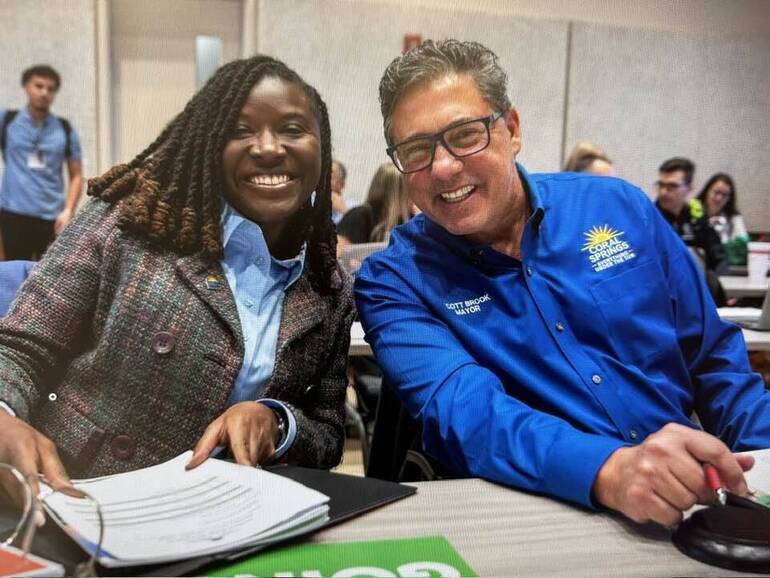
A chilling sequence of 911 calls has revealed that relatives of Nancy Metayer Bowen feared for her safety hours before she was found dead inside her home—so much so that they urgently pleaded with authorities to force their way inside, warning that time could be critical.
The tragic case unfolded in Coral Springs, where the vice mayor’s body was discovered on the afternoon of April 1, 2026. Her husband, Stephen Bowen, 40, has since been arrested and is being held in Broward County Jail on a charge of premeditated murder.
According to investigators, Metayer Bowen had been shot multiple times with a shotgun. When officers eventually entered the home—located in the 800 block of Northwest 127th Avenue—they found her body wrapped in blankets, a grim discovery that came after a series of warning signs and desperate calls for help.

Roughly 30 minutes before police forced entry into the residence, a woman believed to be a relative of Stephen Bowen called emergency services in a state of urgency. Her message was clear and direct: officers needed to act immediately.
“Tell them to break down the door,” she insisted, her voice reflecting mounting panic. “By whatever means necessary.”
At that moment, however, police had not yet obtained a warrant and did not believe they had sufficient legal grounds to forcibly enter the home. Officers had already visited the property earlier that morning after concerns were raised about Metayer Bowen’s sudden absence. She had failed to attend both a city council meeting and a charter school board meeting—highly unusual for someone known to be dependable and engaged in her civic duties.
Colleagues and family members had grown increasingly alarmed when repeated attempts to contact her went unanswered. Around 10:20 a.m., officers arrived at the home but found no vehicles in the driveway and no immediate signs of activity. With little evidence of a crime at that point, they initiated a missing persons investigation.
Meanwhile, behind the scenes, members of Stephen Bowen’s own family were becoming aware of disturbing information.
During the same 911 call, a man identifying himself as Bowen’s uncle took over the conversation and delivered a statement that changed the tone entirely. He told the dispatcher he could provide the reason officers needed to act.
“I’m going to give you a reason,” he said, before revealing that his nephew had confessed earlier that morning to harming his wife.
According to the uncle, he had directly asked whether Metayer Bowen was still alive. The response he received was devastating: no.
That revelation marked a turning point. It confirmed the worst fears of those who had been trying to locate the vice mayor throughout the day.
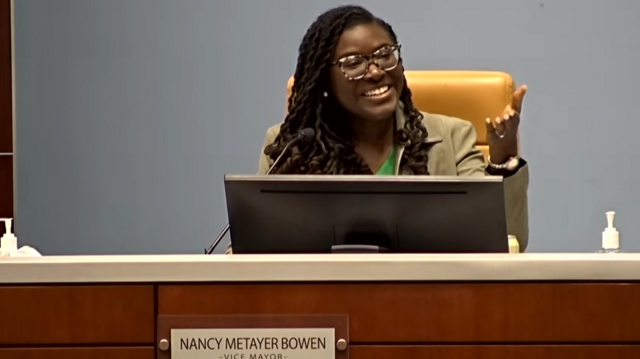
Investigators later learned that earlier that morning, Stephen Bowen had visited his uncle and made a disturbing request—asking him to hold onto a shotgun for a few weeks. He allegedly warned that gloves or a bag should be used to handle it, raising immediate suspicion. When pressed further, Bowen reportedly admitted that he had shot his wife the night before.
As concern escalated, more details began to emerge about the final hours before the discovery.
One of Metayer Bowen’s colleagues, Luwam Ghermay, told police that he had received a message from her phone around 8 a.m. that morning. The message, titled “Discussion Items,” appeared routine, but it was the last communication anyone would receive from her.
When she failed to respond to follow-up messages or attend scheduled meetings, Ghermay reached out to Stephen Bowen, asking if he could check on her. Bowen replied that he had texted her but had not heard back. When told she had missed multiple engagements, he expressed confusion and claimed her car was not at home.
Despite these responses, suspicion continued to grow. Authorities, including Major Edmond DeRosa, had already begun directing officers to investigate further.
A neighbor later reported seeing Metayer Bowen walking her dog around midnight, suggesting she had been alive late into the night prior to her disappearance.
By early afternoon, officers returned to the home for a second time. This time, they noticed something concerning: visible damage on the exterior of the house, particularly on the second floor. Investigators described these marks as consistent with projectile impacts—an observation that heightened urgency and ultimately contributed to the decision to enter the residence.
Around 2:20 p.m., tactical officers forced their way inside. What they found confirmed the fears expressed in those earlier 911 calls.
While the situation at the home unfolded, police were also tracking Stephen Bowen’s movements. Using license plate recognition technology, they located his Ford F-150 in a parking lot in nearby Plantation.
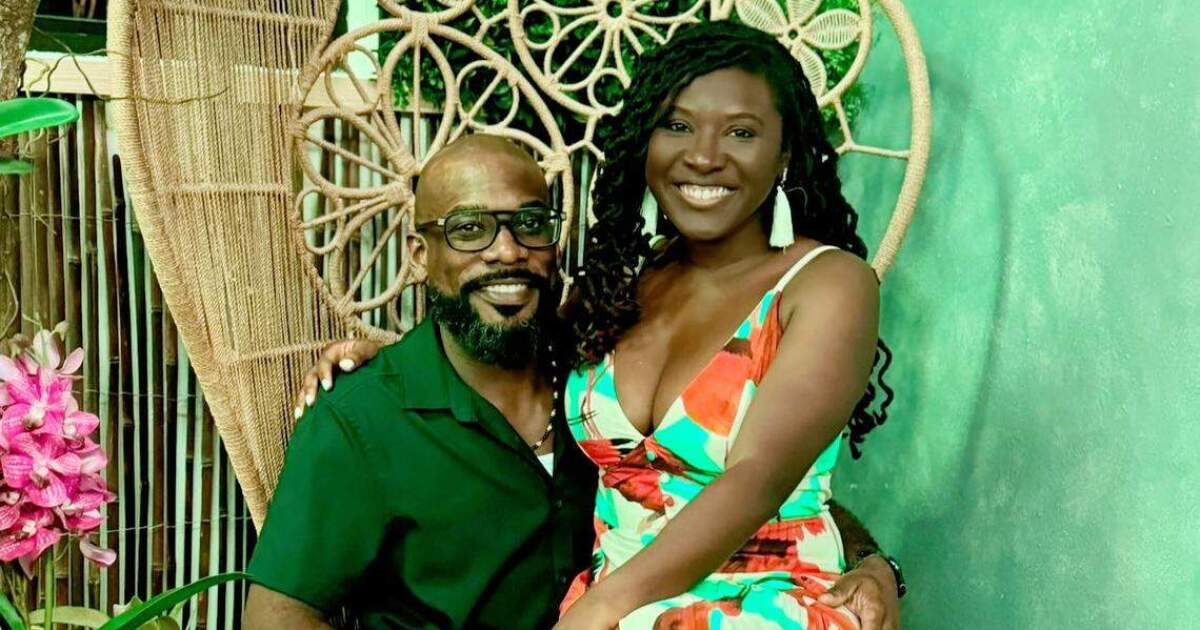
Detectives observed Bowen meeting with another man and handing over a bag resembling a firearm case. The man entered an apartment building with the bag and later emerged without it. Authorities quickly intervened, detaining Bowen at the scene.
The individual who received the bag later told police he believed he was simply meeting Bowen to discuss matters related to their shared involvement in a fraternal organization. He claimed to have no prior knowledge of the situation but recalled Bowen making a telling remark as officers approached: “They’re here for me.”
Search warrants executed at both the Coral Springs home and the Plantation apartment uncovered further evidence. Inside the residence, investigators found three spent shotgun shells near the victim’s body. They also recovered a pillow with burn marks and string attached—items they believe may have been used in an attempt to muffle the sound of gunfire.
At the apartment, authorities located a shotgun inside the same bag Bowen had been seen handing off earlier.
Family members later told investigators that Bowen had appeared distressed that morning, saying he “couldn’t take it anymore.” He reportedly stayed with relatives for a short period before leaving, claiming he intended to meet with an attorney.
Those closest to the couple expressed shock. Bowen’s parents told police they were unaware of any significant marital issues. According to them, he had recently mentioned experiencing a panic attack at work—at Delray Medical Center—and planned to discuss it with his wife.
But whatever struggles may have existed behind closed doors, they culminated in a tragedy that has shaken the local community.
As of now, court records do not indicate that Stephen Bowen has retained legal representation, and no date has been publicly listed for his initial court appearance.
The case continues to unfold, but one detail remains particularly haunting: the desperate pleas from family members who sensed something was terribly wrong and urged authorities to act faster. Their calls—filled with urgency, fear, and ultimately heartbreak—underscore how close help may have been, and how quickly events spiraled beyond control.