“She Killed the Kids!”: Emotional 911 Call Leaves Courtroom in Tears During Lindsay Clancy Trial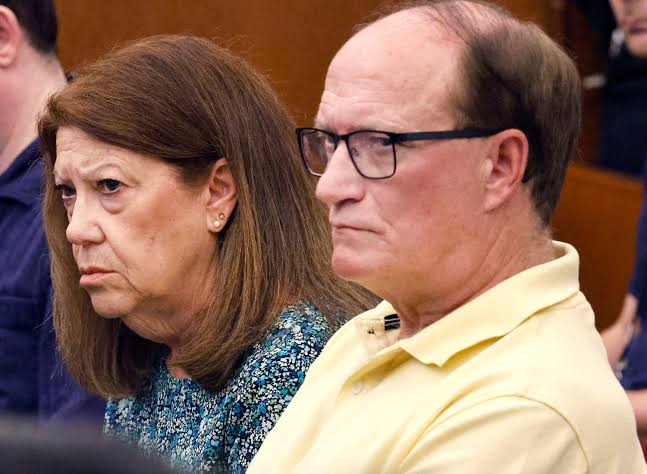
The courtroom was filled with emotion on Wednesday as jurors listened to a devastating 911 recording made by Patrick Clancy after he returned home and discovered that his three young children had been killed inside the family’s Massachusetts house.
Lindsay Clancy, who is accused of murdering her three children in January 2023, broke down in tears as the recording played during her trial. The heartbreaking phone call captured the immediate aftermath of the tragedy, with Patrick struggling to understand what had happened after finding his wife injured outside their home.
The approximately seven-minute emergency call revealed the panic and confusion of that night. Patrick had returned from running errands and discovered Lindsay seriously injured in the backyard after she had jumped from a second-floor window.
In the recording, Patrick can be heard approaching his wife and trying to communicate with her.
“Look at me,” he said. “Say my name.”
He then informed the dispatcher that he needed to check on their children. Moments later, after entering the basement and discovering what had happened, Patrick became overwhelmed with emotion.
The dispatcher repeatedly questioned him, trying to understand the situation.
In a moment of complete shock and grief, Patrick shouted:
“She killed the kids!”
The emotional recording affected everyone in the courtroom. Lindsay cried as she listened, while members of her family were also visibly upset.
Trial Focuses on Lindsay Clancy’s Mental State
The murder trial, taking place nearly three years after the deaths of the children, is largely focused on one central issue: Lindsay Clancy’s mental condition at the time of the killings.
Her defense team argues that she was experiencing postpartum psychosis, a rare but serious mental health disorder that can occur after childbirth. They say the condition was triggered by a combination of extreme stress, lack of sleep, hormonal changes, and other psychological factors.
The defense claims Lindsay was not fully in control of her actions when she killed her children.
However, prosecutors have presented a different argument. They claim that Lindsay, a former labor and delivery nurse at Massachusetts General Hospital, acted intentionally and should be held legally responsible.
She faces charges connected to the deaths of her three children:
- Cora, 5 years old
- Dawson, 3 years old
- Callan, 8 months old
Prosecutors argue that the evidence shows planning and deliberate actions rather than a complete loss of control.
Defense Claims Medication Worsened Her Condition
During opening arguments, Lindsay’s attorney Kevin Reddington said she suffered from serious mental illness after the birth of her youngest child.
He argued that Lindsay had bipolar disorder and that certain medications prescribed to treat her depression actually made her condition worse.
According to the defense, Lindsay experienced terrifying thoughts and eventually heard a voice telling her that she had to kill her children before taking her own life.
Her lawyer told the court that Lindsay believed it was her final opportunity to act.
If she is convicted of murder, Lindsay could face life imprisonment without the possibility of parole.
However, if the jury finds that she was not criminally responsible because of mental illness, she would not be sent to prison. Instead, she would likely be placed in a state psychiatric facility where she would receive treatment and undergo regular evaluations.
Patrick Clancy’s Emotional Testimony
Patrick Clancy, Lindsay’s former husband and the father of the children, has previously said that he forgives her and believes she was suffering from a serious illness rather than acting out of cruelty.
The trial marks one of the first times Patrick has seen Lindsay since the deaths of their children.
During his testimony, he described the final moments he spent with his children before leaving the house that evening.
He remembered seeing his son Dawson sitting on the couch eating chicken nuggets and green beans. Lindsay had asked him to go out briefly to collect dinner and pick up medication for their daughter Cora.
Prosecutors suggested that Lindsay used the request as a way to get Patrick out of the home before the killings.
Jurors were shown surveillance footage from the pharmacy showing Patrick speaking with Lindsay on the phone while trying to confirm details about the medication.
Patrick testified that Lindsay sounded normal during the call.
“She was pretty quiet. It sounded like she was busy,” he said.
He explained that he assumed she was occupied with normal parenting duties, such as bathing the children.
The Moment Patrick Realized Something Was Wrong
When Patrick returned home, he immediately noticed something unusual.
The house was unusually quiet.
He called out for his family but received no response.
He checked the children’s bedrooms and the bathroom, thinking they might be elsewhere in the house.
Eventually, he entered the couple’s bedroom and discovered a disturbing scene.
Patrick testified that there was blood throughout the room and that a window was open.
He then found Lindsay injured outside.
According to Patrick, she told him she had attempted to take her own life and said the children were in the basement.
However, she did not tell him that they were dead.
Still connected to the 911 call, Patrick rushed downstairs and discovered each of his children had been strangled with exercise bands.
Evidence Shown in Court
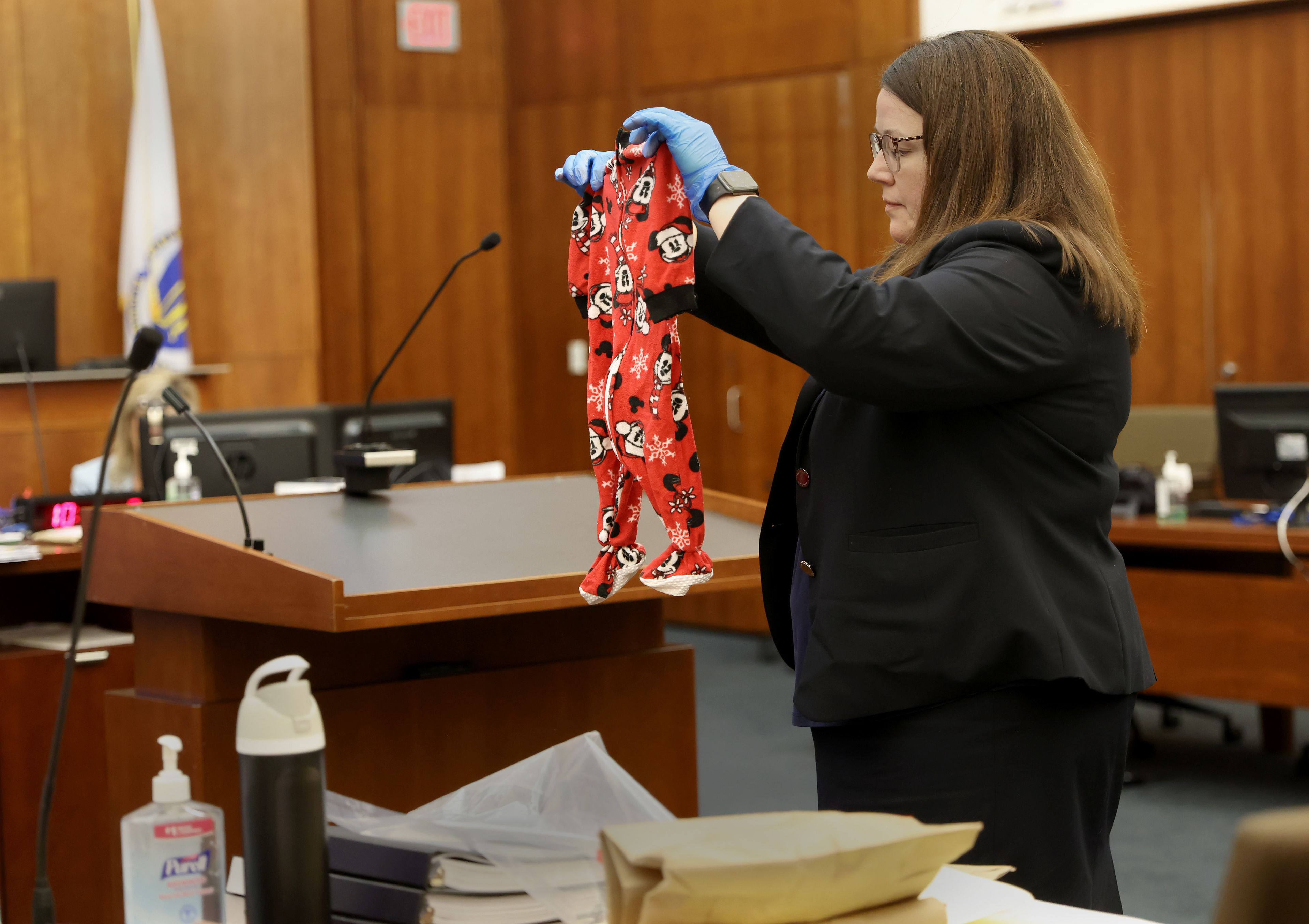
During the hearing, prosecutors displayed the clothing the children were wearing on the night they died.
The items were removed from evidence bags in front of the jury.
They included:
- Cora’s pajamas and pink robe
- Dawson’s nightshirt and dinosaur underwear
- Callan’s red snowflake-patterned onesie
The presentation added another emotional moment to an already difficult day of testimony.
Questions About Medical Treatment
The defense has argued that Lindsay’s mental health struggles were not properly diagnosed or treated before the tragedy.
Patrick previously testified that Lindsay’s condition had worsened during the months before the killings.
He described her experiencing intrusive thoughts about harming herself and fears involving the children.
Lindsay sought help from specialists in postpartum mental health and was prescribed several medications. When her condition did not improve, she entered a psychiatric hospital.
She was discharged only 19 days before the children were killed.
Patrick testified that nobody ever warned him that Lindsay should not be left alone with their children.
“I didn’t know what psychosis was until after this happened,” he told the court.
Defense Highlights Lindsay’s Efforts to Seek Help
During cross-examination, defense attorney Kevin Reddington attempted to show that Lindsay was actively trying to manage her illness.
He presented handwritten notes where Lindsay tracked her medications, moods, and symptoms.
The notes included repeated references to experiencing “horrible thoughts.”
The defense also showed that Lindsay kept information about postpartum anxiety and monitored her mental health carefully.
Reddington questioned Patrick about Lindsay’s medical care, noting that many appointments involved short virtual consultations and meetings with nurse practitioners rather than longer evaluations with specialists.
The court also heard details about the medications Lindsay received, including Seroquel, an antipsychotic drug.
Patrick testified that doctors increased her dosage in December 2022 in hopes that it would improve her sleep and symptoms.
“The idea was that it would help with sleep,” Patrick said.
“But she didn’t get better. She got worse.”
As the trial continues, jurors will have to decide the difficult question at the center of the case: whether Lindsay Clancy’s actions were the result of a deliberate crime or the devastating consequences of a severe mental health crisis.