Lindsay Clancy Trial: Fourth Day of Testimony Focuses on Her Injuries and Medical Treatment After Children’s Deaths
The fourth day of testimony in the Lindsay Clancy murder trial brought renewed attention to the injuries she suffered after the deaths of her three children, as prosecutors and defence attorneys continued presenting competing arguments about the severity of her condition following her suicide attempt.
Clancy, 35, is facing three counts of first-degree murder in connection with the deaths of her children — five-year-old Cora, three-year-old Dawson and eight-month-old Callan — who prosecutors allege were killed inside the family’s Duxbury, Massachusetts, home on January 24, 2023.
The day’s proceedings included testimony from police officers, doctors and medical staff who treated Clancy and her children after the incident. The testimony provided jurors with additional details about the events immediately following the deaths and highlighted one of the key disputes in the trial: how serious Clancy’s injuries actually were.
Judge William Sullivan ended the day’s proceedings by telling jurors that the trial was progressing according to schedule, or even slightly ahead of expectations.
Jury Visits Locations Connected to the Case
Before hearing testimony, jurors took part in a court-organised visit to several locations connected to the case. The group travelled to places that played a role in the timeline of events on the night of the killings.
The jury first visited a restaurant in Plymouth and a CVS pharmacy in Kingston, locations that Patrick Clancy, Lindsay’s husband at the time, visited while carrying out errands on the evening his children died.
After stopping at those locations, the jurors travelled to the former Clancy family home at 47 Summer Street in Duxbury, where prosecutors allege the killings occurred.
The visit allowed jurors to see the locations directly rather than relying only on testimony, photographs and descriptions presented inside the courtroom. Judge Sullivan instructed the jury that anything they observed during the visit could be considered during their final deliberations.
Lindsay Clancy did not participate in the jury viewing.
Police Testimony About Clancy’s Injuries
After returning to court, the first witness called was Duxbury police officer Mark Anthony Maffeo, who testified about his observations during the investigation.
Maffeo told jurors that he saw Clancy’s injuries after she was transported to South Shore Hospital following the incident. Multiple local and state law enforcement officers were also present at the hospital as part of the investigation.
During his testimony, photographs showing Clancy’s injuries were displayed in court. Maffeo confirmed that there were cuts beneath and across her neck, as well as several horizontal cuts on her wrists.
The images showed Clancy with visible injuries, and her clothing had been removed and cut apart by emergency responders at the scene.
During cross-examination, defence attorney Kevin Reddington presented additional photographs of Clancy in hospital. The images showed her face partially covered and her arms and legs in casts following the injuries she suffered.
Reddington also showed pictures of Clancy’s blood-stained clothing, which had been cut off by first responders. He questioned Maffeo about evidence from the scene, including blood found on the windowsill and exterior ledge.
The defence has argued that Clancy suffered serious injuries and that her suicide attempt demonstrated the severity of her mental health crisis. Prosecutors, however, have previously described some of the wounds as superficial and argued that the injuries were not as severe as the defence suggests.
Evidence From Inside the Home
Maffeo also testified about what he observed inside the Clancy family’s upstairs bedroom during the investigation.
He told jurors that he saw blood stains across the hardwood floor and marks near the side of the bed. A large kitchen knife with blood on it was also found on the nightstand.
During questioning, Reddington showed Maffeo photographs of the bedroom and the knife. The defence attorney also asked about medication bottles collected from the home, although Maffeo explained that he was not involved in that specific part of the search.
The evidence from the bedroom formed part of the prosecution’s effort to establish the sequence of events after the alleged killings.
Testimony About the Children’s Medical Treatment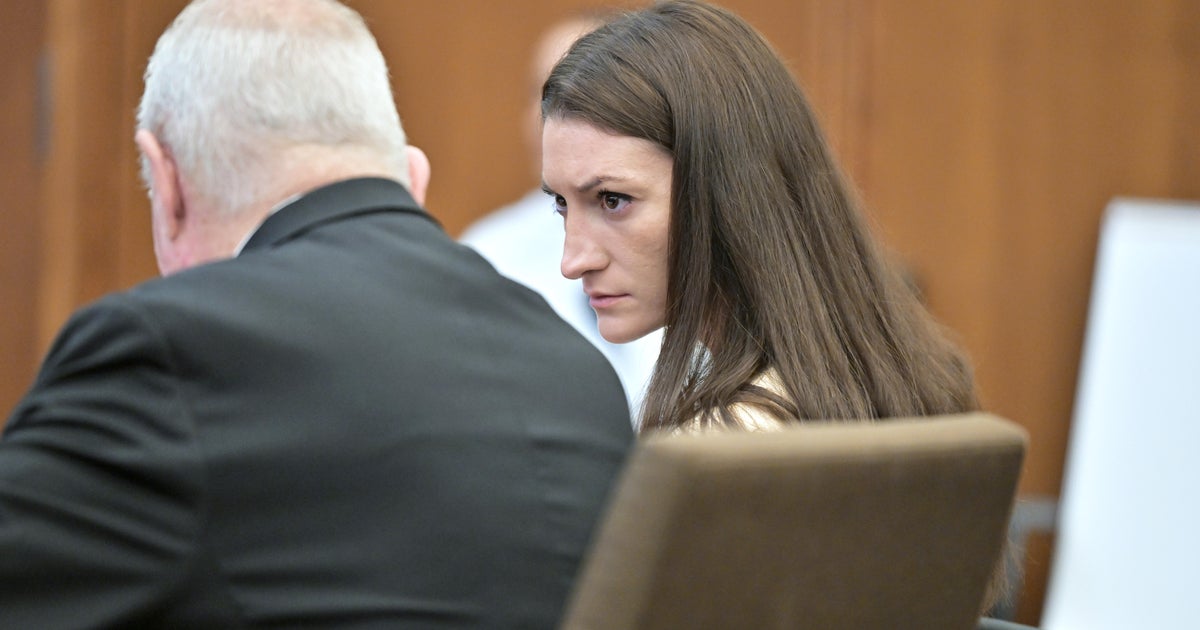
Later in the day, doctors who treated the children provided emotional testimony about their attempts to save Dawson and Callan.
Dr. Mark Tenerowicz testified about treating three-year-old Dawson Clancy at Beth Israel Deaconess Hospital in Plymouth on the night of the incident.
Tenerowicz said Dawson arrived at the emergency room without breathing and without a pulse. Medical staff continued CPR and attempted to restart his heart.
After approximately 40 minutes of efforts, Tenerowicz determined that Dawson’s heart would not restart. He pronounced the child dead at 7:28 p.m. on January 24, 2023.
Before the doctor testified, defence attorney Reddington objected and indicated that he may have been willing to accept certain facts regarding the children’s treatment without requiring testimony. However, after a brief discussion with the judge, the testimony continued.
Dr. Benjamin Kaufman later testified about treating eight-month-old Callan Clancy.
Kaufman told jurors that Callan arrived at the hospital with no heartbeat and was not breathing. The baby never regained brain function and was unable to breathe independently.
Callan was transported by medical helicopter to Boston Children’s Hospital for further treatment, but doctors were unable to restore his condition.
As Kaufman described the treatment, Lindsay Clancy became emotional at the defence table. She reportedly cried quietly and shook during the testimony.
Reddington did not cross-examine Kaufman after his testimony.
Blood Samples and Medical Records Entered Into Evidence
Another witness, Melissa Arcadipane from South Shore Hospital, briefly testified about transferring blood and urine samples collected from Lindsay Clancy to a Massachusetts State Police investigator.
After her testimony concluded, prosecutors introduced the children’s medical records as evidence.
The records are expected to become part of the prosecution’s broader argument regarding what happened after emergency responders arrived and the medical efforts made to save the children.
Central Issue: Mental State and Responsibility
Throughout the trial, the main question has been whether Lindsay Clancy was legally responsible for the deaths of her children or whether she was experiencing postpartum psychosis that prevented her from understanding her actions.
The defence has argued that Clancy’s mental health had deteriorated severely before January 24, 2023. They are expected to rely on psychiatric experts to support the claim that she was suffering from a condition that affected her ability to distinguish right from wrong.
The prosecution, meanwhile, must prove that Clancy was sane and that the killings met the legal requirements for first-degree murder.
The severity of Clancy’s injuries has become another important point of disagreement between the two sides. Prosecutors argue that her wounds were not life-threatening, while the defence maintains that her injuries show the seriousness of her attempt to end her own life.
As the trial continues, jurors will hear more testimony from medical professionals, investigators and experts who will help them evaluate both the physical evidence and the psychological questions at the centre of the case.
The proceedings remain closely watched as both sides attempt to shape the jury’s understanding of what happened inside the Duxbury home on January 24, 2023, and why.