Steve Shirilla, the father of convicted Ohio teen driver Mackenzie Shirilla, is publicly pushing back against the growing backlash surrounding Netflix’s documentary The Crash, claiming the series distorted his words and unfairly damaged both his reputation and professional life. As controversy surrounding the documentary continues to spread online, Steve insists that key portions of his interviews were heavily edited, stripping away important context and creating an impression he says does not accurately reflect what he meant.
The emotional fallout has reportedly been severe.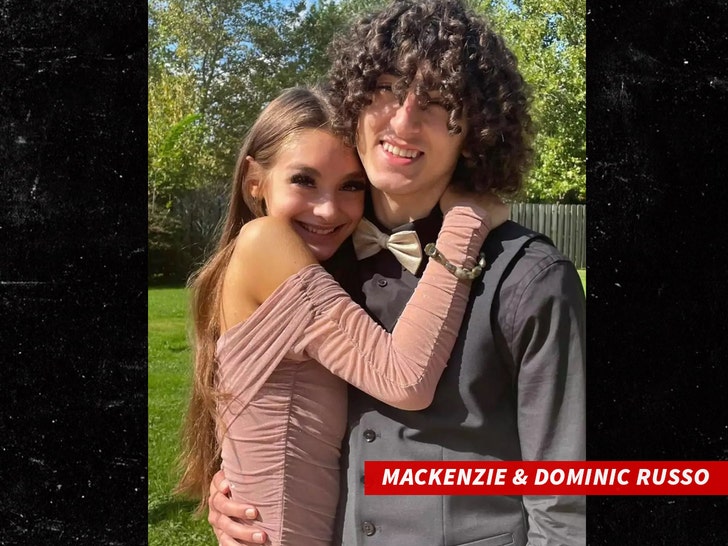
Shortly after the documentary’s release, Steve — a longtime teacher at a Catholic school in Ohio — was placed on paid leave following complaints from concerned parents and community members. According to Steve, the school’s administration informed him they had been “inundated” with reactions after viewers watched the documentary and questioned comments he made about his daughter’s past marijuana use.
Now facing intense public scrutiny, Steve says he feels frustrated, exhausted, and misunderstood.
In an interview discussing the controversy, he explained that the documentary condensed multiple days of conversations into only a few brief clips, dramatically changing how his statements appeared to audiences.
“One sentence taken out of hours of conversation can completely change how people see you,” Steve reportedly said. “That’s what happened here.”
At the center of the backlash is one controversial scene in The Crash where Steve discusses Mackenzie’s marijuana use as a teenager. In the documentary, he is shown saying, “I don’t have a problem with her smoking dope. If you’re going to smoke a drug, that’s the one I believe you should take.”
The comment quickly spread online after the documentary premiered, with many viewers criticizing Steve for appearing dismissive about drug use. Some social media users accused him of minimizing reckless behavior that may have contributed to the deadly 2022 crash involving his daughter.
But Steve insists the documentary failed to include crucial context surrounding that statement.
According to him, he was speaking generally about marijuana compared to harder substances and was never suggesting he approved of impaired driving. He says he had no knowledge that Mackenzie allegedly smoked marijuana before getting behind the wheel on the night of the fatal crash.
“If I had known she was driving under the influence, I would have had huge issues with it,” he explained. “Absolutely huge issues.”
The distinction is important to Steve because he believes the documentary intentionally blurred the line between general parental discussions about teenage behavior and the tragic events that later unfolded.
Sources close to the family describe the experience as emotionally draining. Since the documentary’s release, the Shirilla family has reportedly faced renewed public judgment, online harassment, and growing pressure from people revisiting the highly divisive criminal case.
The documentary revisits the July 2022 crash in Strongsville, Ohio, where Mackenzie Shirilla — then 17 years old — drove a Toyota Camry into a brick building at nearly 100 miles per hour. Her boyfriend, Dominic Russo, 20, and family friend Davion Flanagan, 19, were killed instantly. Mackenzie survived the collision with serious injuries.
Prosecutors argued during trial that the crash was intentional and described it as a failed murder-suicide attempt motivated by emotional conflict between Mackenzie and Russo. In 2023, she was convicted of murder and aggravated vehicular homicide before being sentenced to life in prison with the possibility of parole after 15 years.
However, Steve Shirilla continues firmly defending his daughter’s innocence.
He argues prosecutors failed to provide definitive proof of intent or premeditation — elements he believes are essential to justify a murder conviction.
“There is zero evidence of intent and prior calculation in this case,” Steve insisted.
The defense during trial claimed Mackenzie suffered from postural orthostatic tachycardia syndrome (POTS), a medical condition capable of causing dizziness, fainting, and blackouts. According to Mackenzie’s attorneys, she lost consciousness while driving and has no memory of the moments leading up to the impact.
The prosecution strongly rejected that explanation.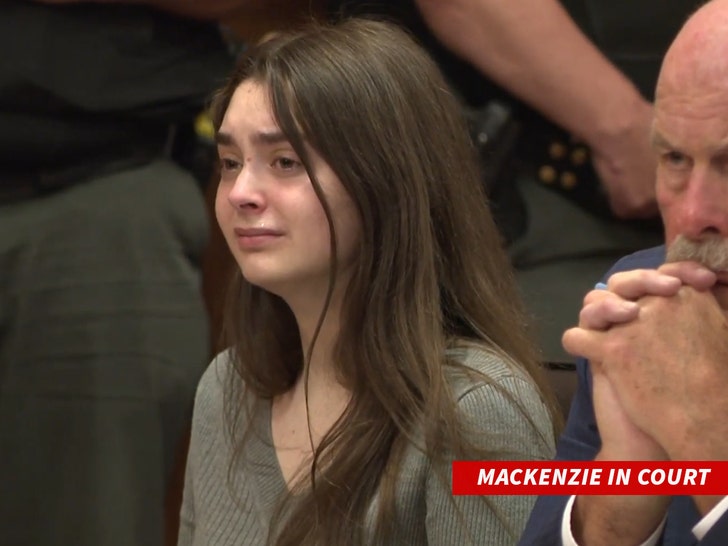
Investigators presented vehicle data showing the accelerator remained fully pressed while the brakes were never applied in the seconds before the crash. Prosecutors also introduced text messages, videos, and testimony suggesting escalating emotional tension between Mackenzie and Dominic before the incident.
Still, Steve believes the legal system — and now the documentary — oversimplified an incredibly complicated tragedy.
“This was a horrible accident that destroyed multiple families,” one person close to the family reportedly said. “But Steve feels the public has turned it into something much more black-and-white than reality.”
The controversy surrounding the documentary has also reignited larger debates about the ethics of true-crime storytelling.
Critics argue that documentaries often compress complicated situations into emotionally dramatic narratives designed to attract viewers rather than fully explore nuance. In Steve’s case, he believes selective editing transformed him from a grieving father into a controversial public figure almost overnight.
Some viewers online have defended Steve, arguing that documentaries frequently rely on shortened clips that may unintentionally alter meaning. Others, however, remain deeply critical, especially given the severity of the crash and the deaths of Russo and Flanagan.
For the victims’ families, the renewed media attention has reportedly reopened emotional wounds.
Friends of Dominic Russo continue remembering him as compassionate, loyal, and deeply loved by those around him. Davion Flanagan’s family similarly described him as outgoing, ambitious, and full of life before the tragedy abruptly ended his future.
Meanwhile, Mackenzie’s supporters continue portraying her as a traumatized young woman who made catastrophic mistakes but did not intentionally kill her passengers.
The divide between those perspectives remains emotionally intense.
According to sources familiar with the family, Steve has struggled privately with the consequences of the documentary’s release. In addition to public criticism, the scrutiny surrounding his comments reportedly placed strain on family relationships and daily life.
Colleagues at the school where Steve worked were said to be shocked by how quickly the controversy escalated. Some reportedly expressed sympathy, while others worried about the school’s reputation amid the growing backlash.
The Diocese overseeing the school allegedly received numerous complaints from parents questioning Steve’s judgment after seeing excerpts from the documentary online. Administrators later placed him on leave while evaluating the situation.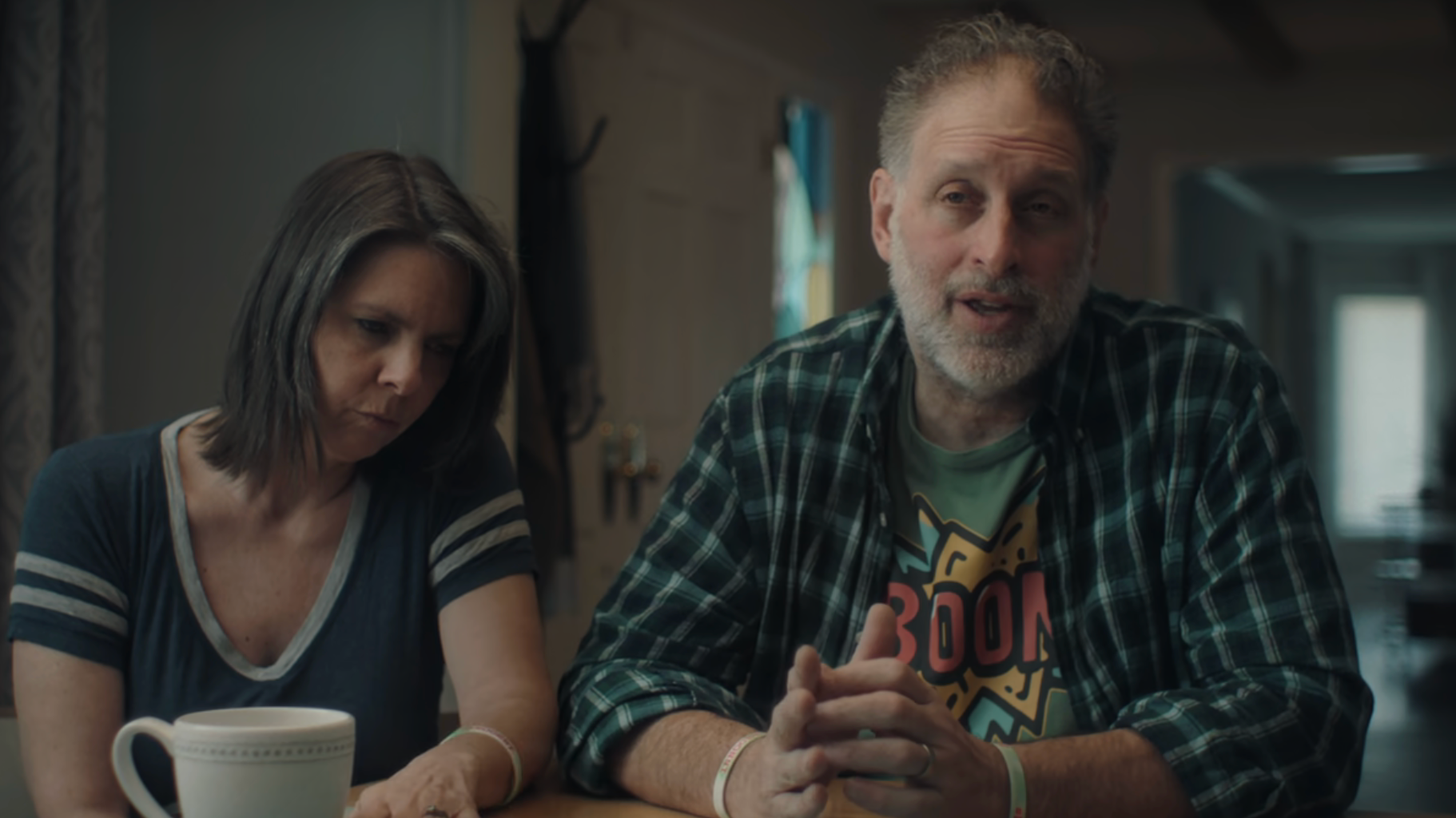
Despite the controversy, Steve continues participating in interviews because he believes the public deserves to hear what he considers the “full story.”
He also argues that much of the public discussion surrounding the case ignores the emotional devastation experienced by everyone involved — including his own family.
“There are no winners here,” one family acquaintance reportedly said. “Three young lives were destroyed that night, whether physically or emotionally.”
Since The Crash premiered, additional recordings of Mackenzie’s jail phone calls have surfaced publicly, further fueling debate. In some conversations, Mackenzie referred to herself as “the third victim” of the crash, comments that sparked criticism from those who felt she lacked accountability.
Still, her father insists the public is seeing only fragments of a deeply painful and complicated situation.
As discussions about the documentary continue online, questions surrounding media ethics, selective editing, and public perception remain unresolved. While Netflix has not publicly responded to Steve Shirilla’s accusations, the controversy has once again thrust the family into the national spotlight years after the deadly crash first captured headlines.
For Steve, however, the issue has become deeply personal.
He says he is not trying to erase the tragedy or diminish the loss suffered by the victims’ families. Instead, he wants people to understand that what viewers saw on screen may not represent the full reality of what was said — or the emotional complexity behind it.
Whether the public accepts that explanation remains uncertain, but one thing is clear: the debate surrounding The Crash and the Shirilla case is far from over.




