Yellowstone Officials Confirm No Action Will Be Taken Against Bison That Launched Grandfather into the Air
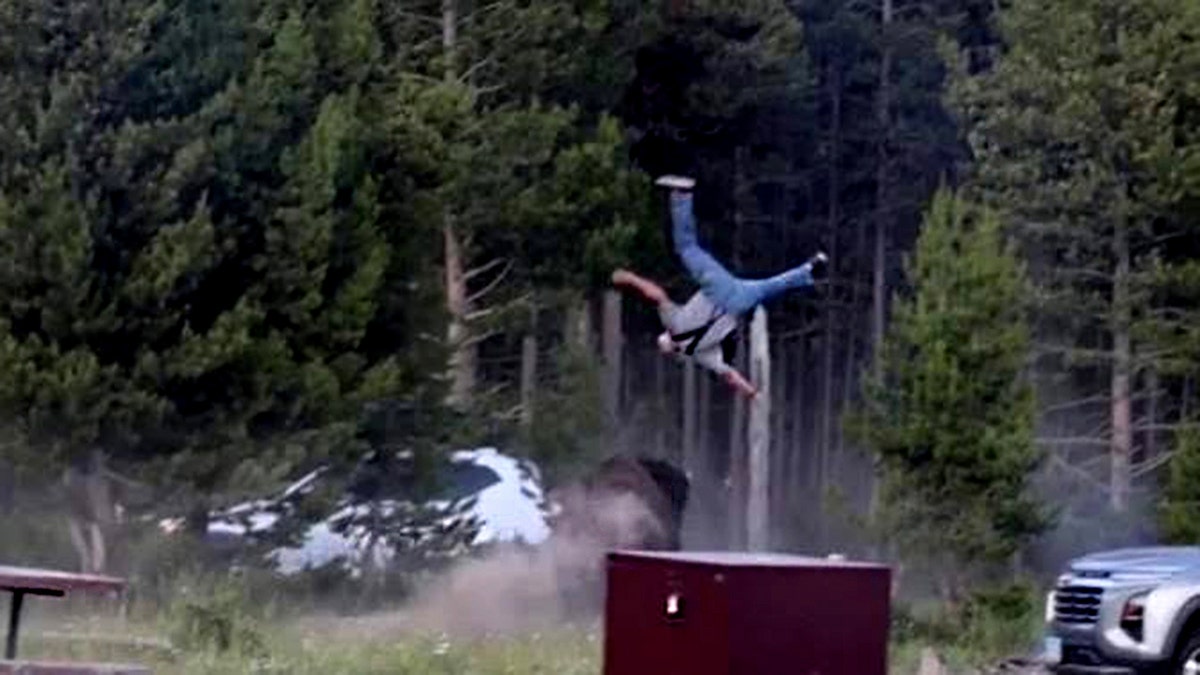
Yellowstone National Park officials have announced that the bull bison responsible for a shocking attack on a grandfather last week will face “no management action” and will remain in the park. The decision has drawn attention as the viral video of the incident continues to circulate widely online.
The bison charged 65-year-old Carl Isom-McDaniel during an encounter at the park’s Bridge Bay Campground near Lake Yellowstone on July 10. The powerful animal tossed McDaniel approximately eight feet into the air, leaving him with multiple broken bones that required surgery. Despite the severity of the attack, park authorities have determined that the bison will not be euthanized or relocated.
According to TMZ, Yellowstone officials stated there would be no management action taken against the bull. This comes after McDaniel, who was visiting the park on an annual trip with his grandson, suffered serious injuries in the frightening encounter.
The dramatic moment was captured on video by wildlife photographer Mike MacLeod, whose footage quickly went viral. MacLeod told Fox News Digital that he feared the bison was about to gore McDaniel and immediately stopped filming to help drive the animal away along with other campers.
“Once I saw the victim in the air, I stopped filming and ran with some other men to haze the bison away and to render aid,” MacLeod said. He emphasized that neither McDaniel nor his grandson appeared to provoke the animal in any way. “They were doing everything right. They were respectful, and once the bison showed any agitation, they left, and they were just at the wrong time in the wrong place.”
The incident unfolded when the bison, which had already charged at a group of teenagers earlier, suddenly focused its attention on McDaniel and his grandson as they walked through the campground. The pair tried to move away after noticing the animal becoming active, but the bison pursued them. McDaniel made a split-second decision to draw the animal away from his grandson, running in a different direction.
After the attack, McDaniel’s first concern was for his grandson’s safety. MacLeod recalled the grandfather’s immediate question upon being reached: “How is my grandson?” Fortunately, the teenager escaped without injury, bringing some relief to the family amid the frightening ordeal.
McDaniel has since undergone surgery and is beginning his recovery process. His case highlights the unpredictable nature of wildlife encounters in Yellowstone, even when visitors follow recommended safety guidelines.
Yellowstone National Park advises all visitors to maintain a minimum distance of 25 yards from bison. These massive animals can weigh up to 2,000 pounds and run as fast as 30 miles per hour. Bull bison tend to become particularly aggressive during the annual mating season, though attacks can occur at any time.
The park’s decision not to take action against the bison aligns with its general policy regarding wildlife management. Unless an animal poses an ongoing threat to public safety or has a history of dangerous behavior, officials typically allow natural processes to continue. In this case, the bison will remain part of the park’s wild population, which ranges between 3,000 and 6,000 animals — the only continuously existing herd in the United States since prehistoric times.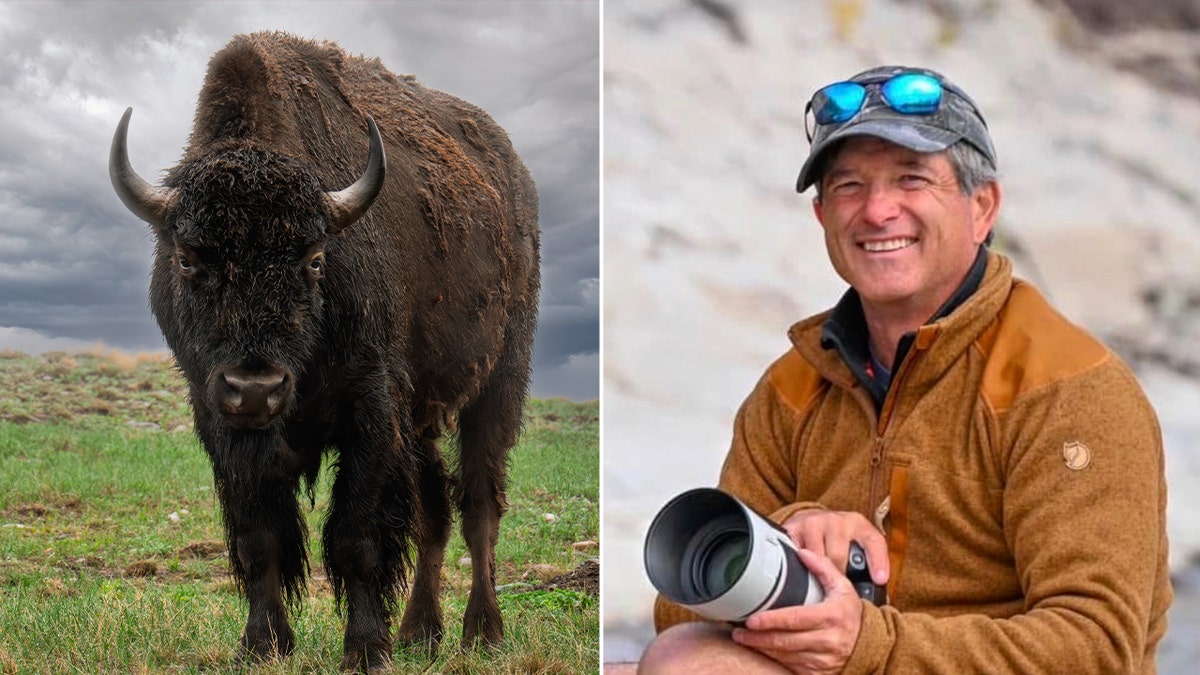
The incident has sparked numerous reactions online, particularly on platforms like Reddit. Many visitors familiar with the park expressed surprise at the unprovoked nature of the attack. One user commented, “I live near the park, and honestly, we’ve seen enough tourists do just about everything under the sun to bison, but this is one of the few times we’ve all looked at it, and we’re in shock at how the bison just went at the guy.”
Another observer noted, “I was wishing one of the cars driving by would have opened a door for him to get in the vehicle while he was trying to escape.” A third added, “This is honestly pretty sad. Usually, when you see this happen, it’s some idiot tourists trying to get a selfie or something. That bison just woke up and chose violence. Hope grandpa is OK.”
These comments reflect a broader awareness among frequent park visitors that while human error often contributes to wildlife conflicts, some encounters occur despite proper precautions.
The National Park Service continues to emphasize education and prevention as the best tools for reducing dangerous interactions. Official guidelines recommend staying inside vehicles when possible to observe wildlife safely. If approached by an animal while on foot, visitors should slowly back away to maintain distance. Warning signs of agitation in bison include bluff charging, head bobbing, pawing the ground, bellowing, or raising the tail.
The Department of the Interior also notes that a bison’s tail position can indicate its mood. A tail hanging down and switching naturally usually suggests calmness, while a tail standing straight up may signal potential aggression. However, officials stress that bison remain unpredictable and can charge without obvious warning.
McDaniel’s experience serves as a sobering reminder of the power and wild nature of Yellowstone’s animals. Despite following safety protocols, he and his grandson found themselves in a dangerous situation. His quick thinking to protect his grandson by drawing the bison away likely prevented further harm to the teenager.
As McDaniel recovers from surgery and begins physical therapy, his family and supporters have expressed gratitude that the injuries were not more severe. The grandfather’s concern for his grandson’s well-being immediately after the attack has been highlighted as particularly touching by those following the story.
The viral video and subsequent discussions have also renewed calls for visitors to respect wildlife boundaries and maintain safe distances. Yellowstone attracts millions of tourists each year who hope to witness its incredible animals in their natural habitat. While most encounters are peaceful, incidents like this underscore the importance of treating wild animals with appropriate caution and respect.
Park officials will likely continue monitoring the situation and providing updated safety information to visitors. For now, the bison involved in the attack remains free to roam within Yellowstone’s boundaries as part of the park’s natural ecosystem.
The event has prompted reflection on the balance between wildlife conservation and visitor safety in America’s national parks. While tragic injuries occasionally occur, Yellowstone’s bison population represents a conservation success story — a living link to the country’s prehistoric past that millions come to admire each year.
As McDaniel focuses on his recovery, his story serves as both a cautionary tale and a testament to human resilience in the face of nature’s unpredictable power. The grandfather’s experience will likely contribute to ongoing conversations about responsible wildlife viewing and the importance of heeding park guidelines.