Jamie Varley, once a trusted secondary school teacher and foster guardian in Blackpool, has been convicted in one of the most harrowing child abuse and murder cases in recent British history. The 37-year-old was sentenced to a whole-life order at Preston Crown Court, meaning he will spend the rest of his life in prison with no possibility of parole. His crimes against 13-month-old Preston Davey, the toddler he and his partner were adopting, exposed a horrifying pattern of prolonged sexual abuse, physical cruelty, and neglect that ultimately led to the child’s death in July 2023.
Varley, who had taken a year off work to focus on the adoption, presented himself as a dedicated educator involved in child safeguarding. Behind closed doors, however, authorities uncovered evidence of systematic abuse inflicted on Preston while in his care and that of his then-partner, John McGowan-Fazakerley, 32. The trial revealed that the infant suffered months of sexual assaults, including penetration, alongside physical injuries such as bruises, internal damage, and a perforated bowel—totaling around 40 traumatic marks. Varley was also convicted of taking and distributing indecent images and videos of the child, some shared with his co-accused.
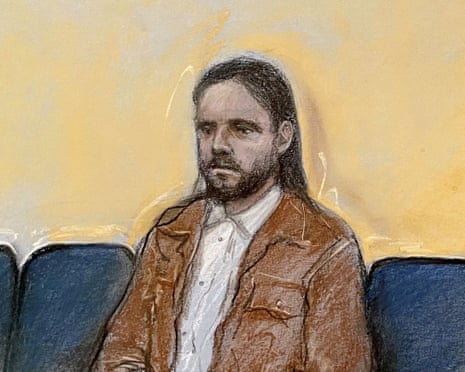
Preston’s short life was marked by tragedy from the start. Removed from his birth mother shortly after birth due to concerns, he was placed in foster care where he reportedly thrived. In April 2023, he was placed with Varley and McGowan-Fazakerley for adoption. Despite multiple hospital visits for injuries and warnings from health professionals and even Preston’s grandmother, the red flags were not acted upon effectively. The case has since sparked public outrage over missed opportunities—reportedly eight in total—to intervene and protect the vulnerable child.
During the eight-week trial, the jury heard disturbing details, including Snapchat videos and photographic evidence that contradicted Varley’s claims. He initially told police the baby had accidentally drowned in the bath, but forensic and medical evidence pointed to smothering as the cause of death, compounded by prior abuse. Varley protested his innocence aggressively, reportedly telling detectives he would “fight them to the day I die.” The court rejected his account, finding him guilty of murder, two counts of assault by penetration, five counts of cruelty to a child, grievous bodily harm, sexual assault of a child, and multiple indecent image offenses.
McGowan-Fazakerley was convicted of causing or allowing the death of a child, child cruelty, and sexual assault. He received a 25-year sentence. The judge, Mr Justice Turner, described the crimes as “distressing and despicable,” emphasizing the betrayal of trust by individuals who should have protected the infant.
The sentencing brings a degree of legal closure, but it has left deep scars on the community and raised profound questions about safeguarding systems. How could a teacher entrusted with children’s welfare slip through the cracks? Why were concerns from medical staff and family members not sufficiently escalated? Preston had returned home after hospital visits, with explanations from the couple accepted at the time. This case underscores systemic vulnerabilities in adoption processes, foster oversight, and inter-agency communication.
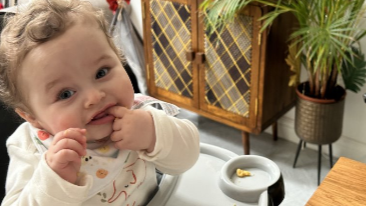
Public reaction has been one of shock and anger. Headlines across the UK described Varley as an “evil monster” whose actions “shocked the nation.” Calls for a public inquiry into adoption safeguards and child protection failures have grown louder, with many demanding accountability from social services and health authorities involved. The case highlights the critical importance of thorough background checks, ongoing monitoring of adoptive placements, and listening to frontline professionals who raise alarms.
For Preston’s biological family and those who knew him in foster care, the loss is immeasurable. He was described as a happy, healthy baby before entering the adoptive home. His death serves as a grim reminder of how quickly vulnerability can be exploited when oversight fails.
Varley’s outwardly respectable image—a head of year at a secondary school—masked his depravity. The investigation revealed not just isolated incidents but a sustained campaign of abuse within the household. Medical experts testified to the severity of injuries inconsistent with accidental harm, while digital evidence sealed the case against both men.
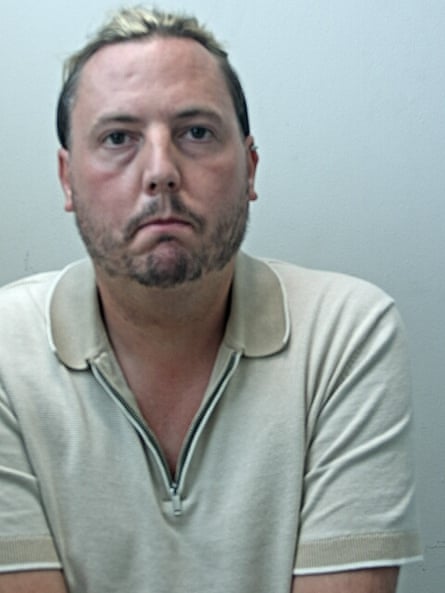
This tragedy forces a national reckoning. Reforms in child protection, better training for those in education and social care, and stricter scrutiny of adoptive parents, especially those with professional ties to children, are urgently needed. While no system can eliminate every risk, Preston’s case illustrates how multiple missed signals can culminate in unimaginable harm.
As the legal process concludes, the focus shifts to prevention. Charities and campaigners are urging the government to review procedures, ensure rapid response to medical concerns in young children, and prioritize the voices of extended family members. Preston Davey deserved safety, love, and a chance at life. His story must drive change so that no other child suffers similarly.
The conviction of Jamie Varley stands as justice for Preston, but it cannot erase the pain. It serves as a stark warning about the darkness that can hide behind positions of trust and the collective responsibility society holds to protect its most vulnerable.