Monday was supposed to be the end of his marriage. Instead, Shamar Elkins made sure there was nothing left to fight for. In the early hours of Sunday morning, just 24 hours before he and his wife were scheduled to appear in a Shreveport, Louisiana courtroom to finalize their divorce, the 31-year-old Army veteran unleashed a horrifying rampage that left eight children dead — seven of them his own — and two women critically wounded.
What drove a father to commit such an unthinkable act? According to those closest to him and emerging details from the investigation, it wasn’t simply about losing his wife. It was about the control he refused to surrender. Elkins had reportedly been spiraling for weeks, consumed by “dark thoughts” as the marriage crumbled. Family members say he had even voiced suicidal ideation and warned that if his wife left, he would take everyone with him. The divorce filing represented the final fracture in a relationship already strained by years of tension.

Elkins and his wife, Shaneiqua Pugh, had been together for years and shared multiple children. Court records indicate the couple was due in court Monday morning to sign the final divorce papers. For Elkins, that hearing wasn’t just paperwork — it was the moment he would officially lose the family structure he had built, and perhaps the dominance he exerted over it. Instead of preparing for a mediated settlement or custody discussions, authorities believe he meticulously planned what some are calling an “exit strategy” — a final, violent assertion of control that would leave no loose ends, no future battles over visitation, no possibility of his children being raised without him.
The attacks unfolded across at least three locations in the Cedar Grove neighborhood of Shreveport in a devastating 15-minute window. Elkins, armed with an assault-style pistol, moved methodically between homes where his children and other family members were staying. He shot the victims execution-style, according to preliminary reports. Seven of the children were his biological kids, ranging in age from toddlers to pre-teens. The eighth was a young cousin. Two adult women — including Pugh, who was struck multiple times in the head and torso — survived but remain hospitalized with serious injuries. One of the women is believed to be Elkins’ girlfriend at the time.

Neighbors described a chaotic scene as gunfire echoed through the quiet residential streets. One resident, walking home from a neighbor’s house, spotted Elkins sitting outside moments before the violence erupted. Police responded quickly, initiating a pursuit after the shootings. The chase ended when officers exchanged fire with Elkins, who was pronounced dead at the scene. A chilling 911 call captured the horror as dispatchers first learned the scale of the tragedy unfolding in real time.
This wasn’t a spontaneous outburst. Family accounts paint a picture of a man who had been quietly unraveling. Elkins had recently sought mental health treatment at a Veterans Affairs facility, staying for about a week and a half before being released. He had served in the Louisiana National Guard from 2013 to 2020 as a signal support and fire support specialist. Court records from 2019 also show he was arrested after firing shots near a local high school and later pleaded guilty to an illegal weapons charge, receiving probation.
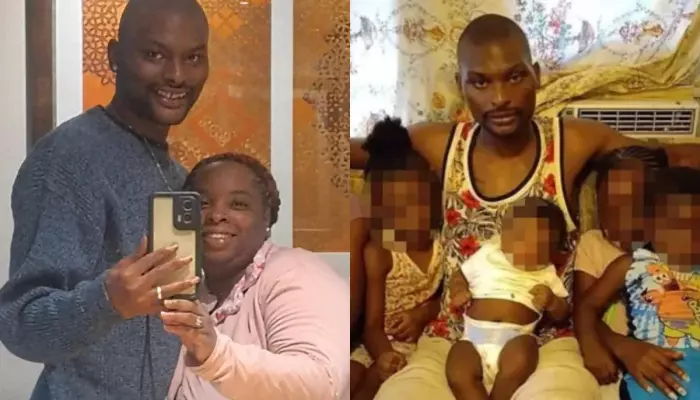
In conversations with relatives in the days leading up to the massacre, Elkins reportedly spoke of his failing marriage with growing despair. He told his stepfather he was drowning in dark thoughts and even expressed a desire to end his own life. One family member recalled a chilling warning Elkins had issued years earlier: if his partner ever tried to leave, he would kill her, the children, and himself. That threat, once dismissed or hoped to be empty, now haunts those who heard it.
The “ultimate silence” Elkins chose was not merely suicide — it was the eradication of the family unit he could no longer command. By targeting the children, investigators and experts suggest he aimed to ensure that no part of his legacy or his perceived ownership would continue without him. It was the darkest form of control: if he couldn’t have them in life, no one else would have them either. The divorce hearing, set for the very next day, became the ticking clock that seemingly triggered his plan.
Community leaders and relatives have expressed profound grief and shock. The victims’ young ages — some as young as three — have left Shreveport reeling. Vigils have formed, and counselors are working with surviving family members and neighbors traumatized by the event. Questions are already swirling about missed warning signs, the accessibility of firearms, and the adequacy of mental health support for veterans.
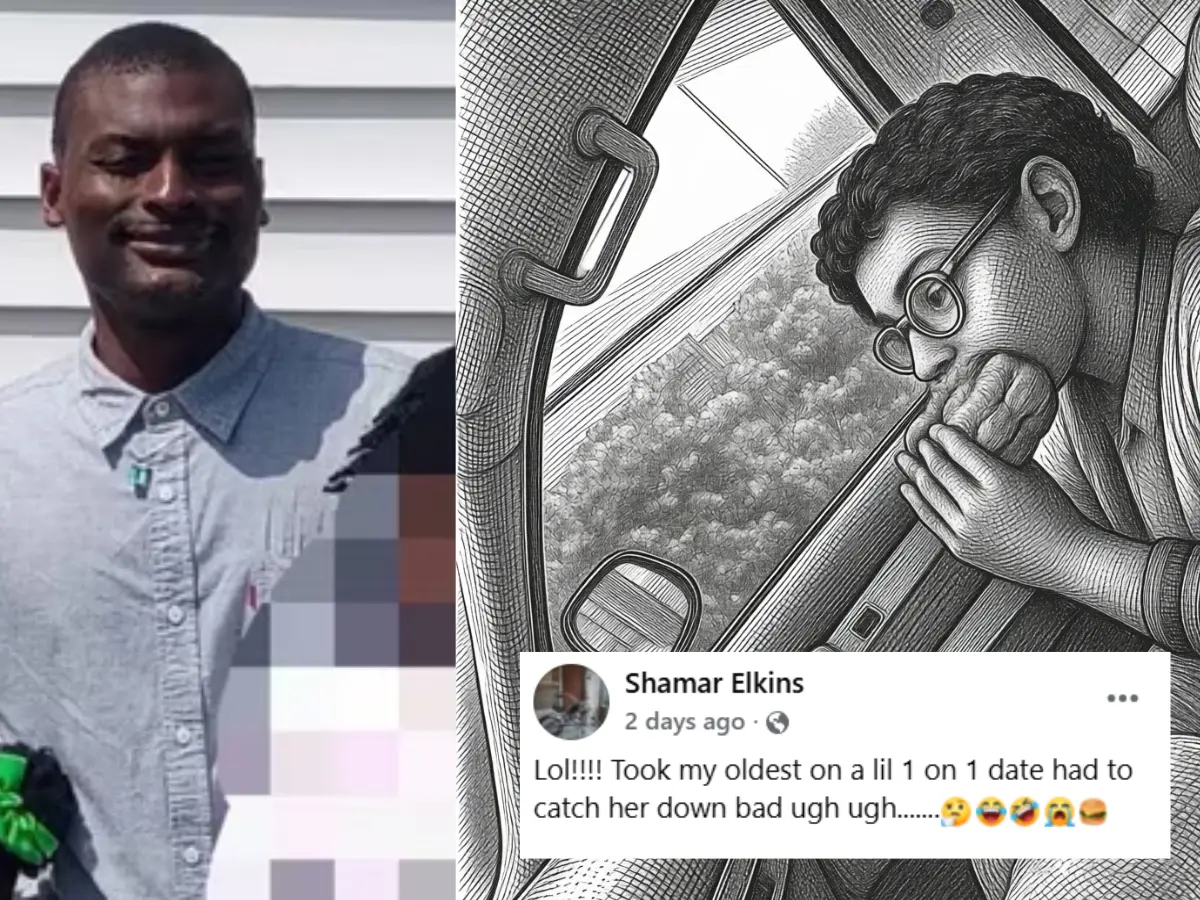
Elkins’ actions have sparked renewed national conversations about domestic violence, familicide, and the lethal intersection of mental health crises and pending separations. In cases like this, experts note that the period immediately before or during divorce proceedings can be one of the highest-risk times for violence, particularly when one partner feels a profound loss of control.
As investigators continue to piece together the timeline and motive, one fact remains brutally clear: what was meant to be a legal ending to a troubled marriage became, instead, a final, irreversible statement. Shamar Elkins didn’t go to court to negotiate custody or alimony. He chose silence — the permanent, devastating silence of the grave — for himself and for the eight innocent children who never got the chance to grow up.
In the end, there was nothing left to fight for. The marriage, the family, and the future were all extinguished in a single morning of horror. Louisiana, and the nation, are left to mourn the lives stolen and to confront the painful questions that tragedies like this always leave behind.