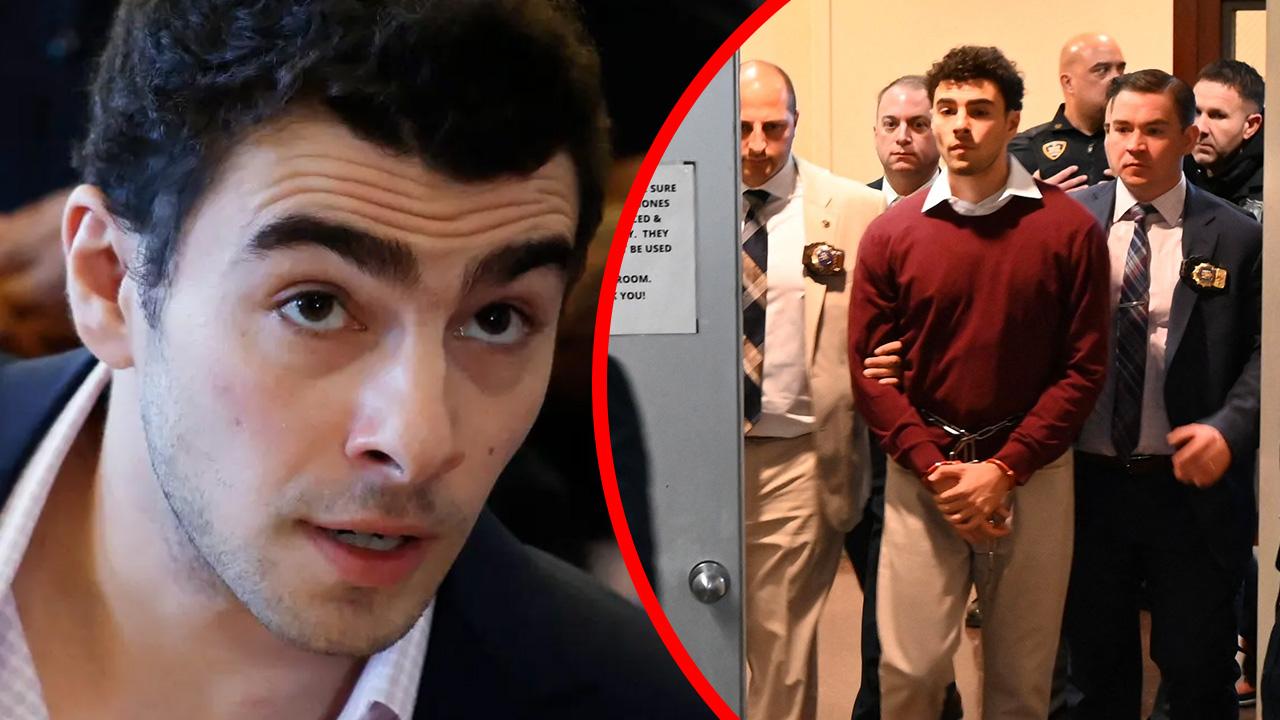
Luigi Mangione Trial Heads Toward September Showdown as Judge Orders Anonymous Jury Amid Intimidation Concerns
The upcoming New York murder trial of Luigi Mangione is already becoming a courtroom security challenge weeks before a jury hears opening arguments, with a judge ordering jurors’ identities concealed as prosecutors raise concerns about possible harassment and intimidation surrounding one of America’s most closely watched criminal cases.
Mangione, 28, is accused of fatally shooting UnitedHealthcare CEO Brian Thompson outside a Manhattan hotel in December 2024. He has pleaded not guilty to state charges including murder, weapons offenses and forgery. Jury selection is expected to begin September 8, 2026.
At a final pretrial hearing on August 11, New York Supreme Court Justice Gregory Carro announced that the people ultimately selected to decide Mangione’s fate will remain anonymous.
Carro did not publicly explain the reasoning behind that decision. Anonymous juries are not standard practice in American criminal trials, although courts sometimes use them in exceptionally high-profile proceedings when harassment, outside pressure or threats could threaten jurors’ independence.
The ruling comes against the backdrop of intense public fascination with Mangione and his prosecution.
Since Thompson’s killing and the five-day manhunt that ended with Mangione’s arrest in Pennsylvania, the case has generated extraordinary attention both in traditional media and online. The killing was broadly condemned, while Mangione simultaneously became a controversial symbol for some people angry about the American health-insurance system.
That attention has now become part of the battle over how the trial itself should operate.
Prosecutors warned the court that the enormous interest surrounding the proceedings could create unusual pressure on witnesses and potential jurors. According to RadarOnline, prosecutors specifically raised concerns about supporters attempting to interfere with witnesses or the jury process and about spectators secretly recording courtroom proceedings.
Yet the court is also confronting another issue: how to preserve public access to a trial expected to attract far more spectators and journalists than the main courtroom can accommodate.
Carro ruled that an overflow courtroom will be available to members of the public and press if the primary courtroom reaches capacity.
The decision represents an attempt to balance two competing priorities — protecting the integrity of the trial while keeping one of the country’s most scrutinized prosecutions accessible.
Prosecutors had expressed concern about an overflow room receiving a video feed, arguing that someone could potentially make an unauthorized recording and distribute it outside the courthouse. Mangione’s defense, meanwhile, has pushed for significantly broader public access.
Defense attorney Karen Friedman Agnifilo has requested that the state trial be televised live in its entirety, according to RadarOnline. Whether the proceedings will ultimately be streamed outside the courthouse remained unresolved in the report.
The fight over access became especially contentious after Mangione’s lawyers accused prosecutors and court officials of attempting to control which journalists could cover the trial.
Carro forcefully rejected that allegation.
The judge said the Manhattan District Attorney’s Office had no role in determining media or public access and criticized suggestions otherwise. Prosecutors likewise denied attempting to manipulate press access, describing the defense accusation as misinformation.
Behind those courtroom clashes is the much larger question awaiting jurors: whether prosecutors can prove beyond a reasonable doubt that Mangione murdered Thompson.
The prosecution has described what it considers a substantial body of evidence. According to Reuters, prosecutors say their case includes hundreds of hours of surveillance footage, fingerprints, DNA evidence, a cellphone and a firearm they say produced ballistics evidence matching the shooting. They also cite a notebook allegedly containing writings expressing hostility toward insurance companies and discussing killing.
Mangione’s defense has not conceded that he was the gunman.
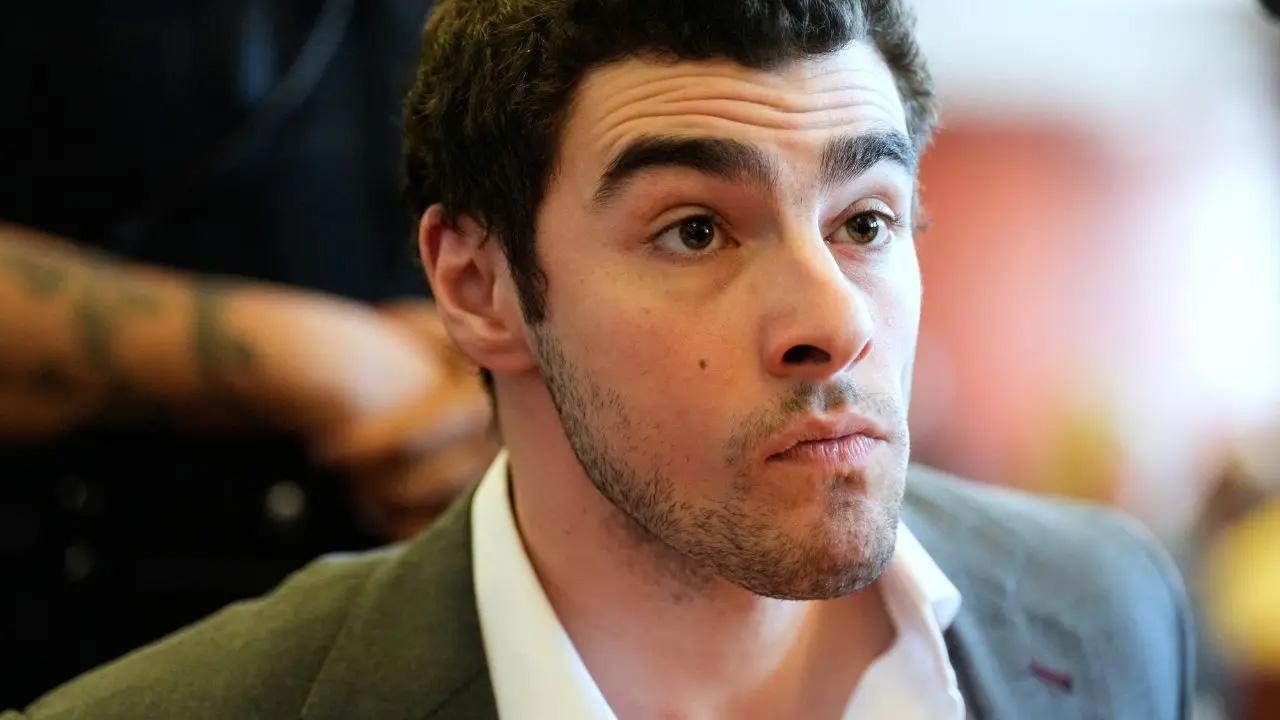
His attorneys have disclosed relatively little about how they intend to challenge the prosecution’s case at trial. A July filing suggested they could potentially argue that Mangione experienced an extreme mental-health breakdown that affected his ability to control his actions, Reuters reported.
The September proceeding will not be the end of Mangione’s legal problems.
He has also pleaded not guilty to federal stalking charges connected to Thompson’s killing, with that federal trial currently scheduled for January 2027.
For now, however, attention is turning toward jury selection in Manhattan.
Finding jurors capable of entering the courtroom without fixed opinions could itself become one of the trial’s earliest challenges. The case has been discussed relentlessly online, transformed into political and cultural arguments, and followed by supporters and critics who have assigned meanings to Mangione that extend far beyond the criminal allegations.
That makes the anonymous-jury decision especially significant.
The twelve people eventually chosen — along with alternates — will be asked to evaluate evidence presented in court rather than the enormous volume of commentary surrounding the case.
Their names may be hidden from the public, but the pressure surrounding their decision will be impossible to hide.
When jury selection begins September 8, the courtroom will therefore be deciding more than the fate of Luigi Mangione. The proceedings will also test whether a criminal justice system built around impartial jurors can insulate a verdict from a case that became an internet phenomenon long before the first juror takes a seat.