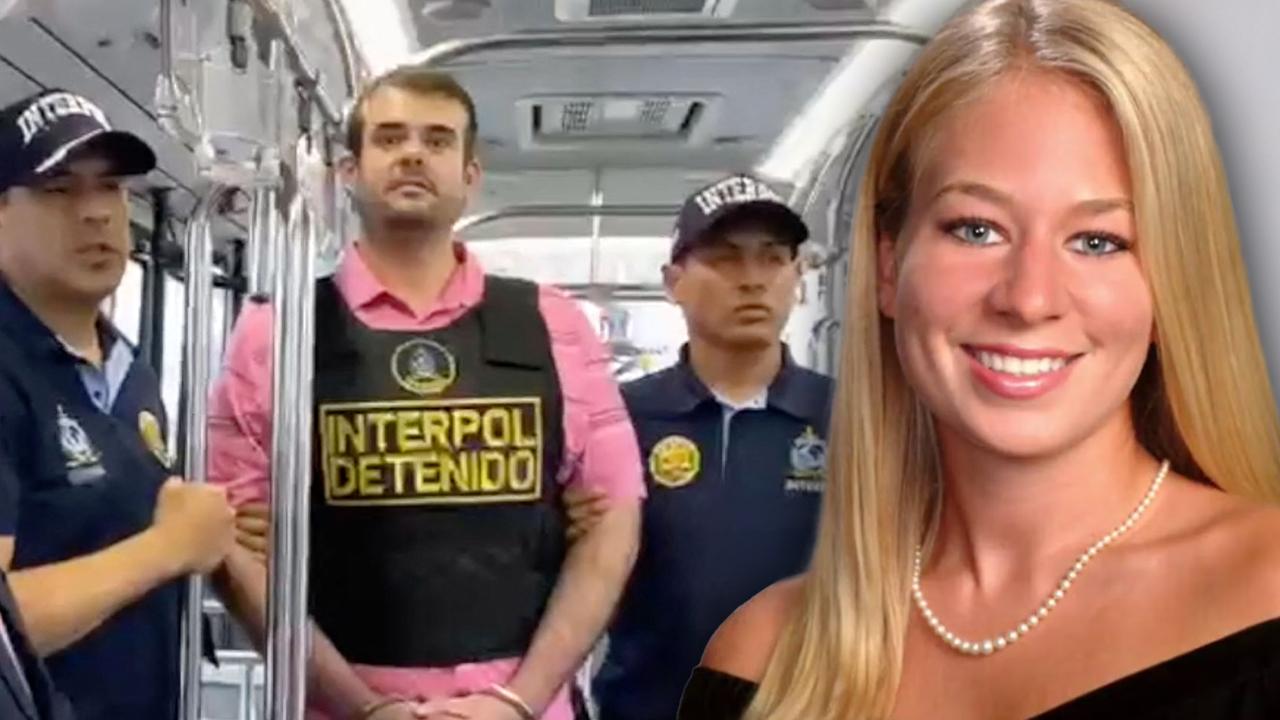
For years, the name Joran van der Sloot has remained connected to one of the most controversial criminal cases of the modern era. His history of deception, accusations, and involvement in two international murder investigations created a story that attracted global attention and raised questions about how investigators pursue suspects who appear determined to hide the truth.
Behind the headlines was a complex psychological battle between law enforcement officials and a suspect known for manipulation. The FBI’s undercover operation targeting van der Sloot became one of the most discussed examples of a “sting operation” designed to gather information from someone investigators believed held critical answers.
The operation was not simply about collecting evidence. It was a carefully planned attempt to gain access to the thoughts and statements of a man who had repeatedly avoided providing clear explanations about his actions.
Joran van der Sloot first became internationally known after the disappearance of American teenager Natalee Holloway in Aruba in 2005. Holloway disappeared while on a high school graduation trip, and van der Sloot, who had been among the last people seen with her, quickly became a central figure in the investigation.
Although he was questioned multiple times, the case remained unresolved for years. Investigators faced significant challenges due to the lack of physical evidence and van der Sloot’s changing accounts of what happened that night.
The disappearance of Holloway became one of the most heavily followed missing-person cases in the world. Media attention intensified as investigators searched for answers, while van der Sloot remained a controversial figure surrounded by suspicion.
Years later, another tragedy brought his name back into the international spotlight.
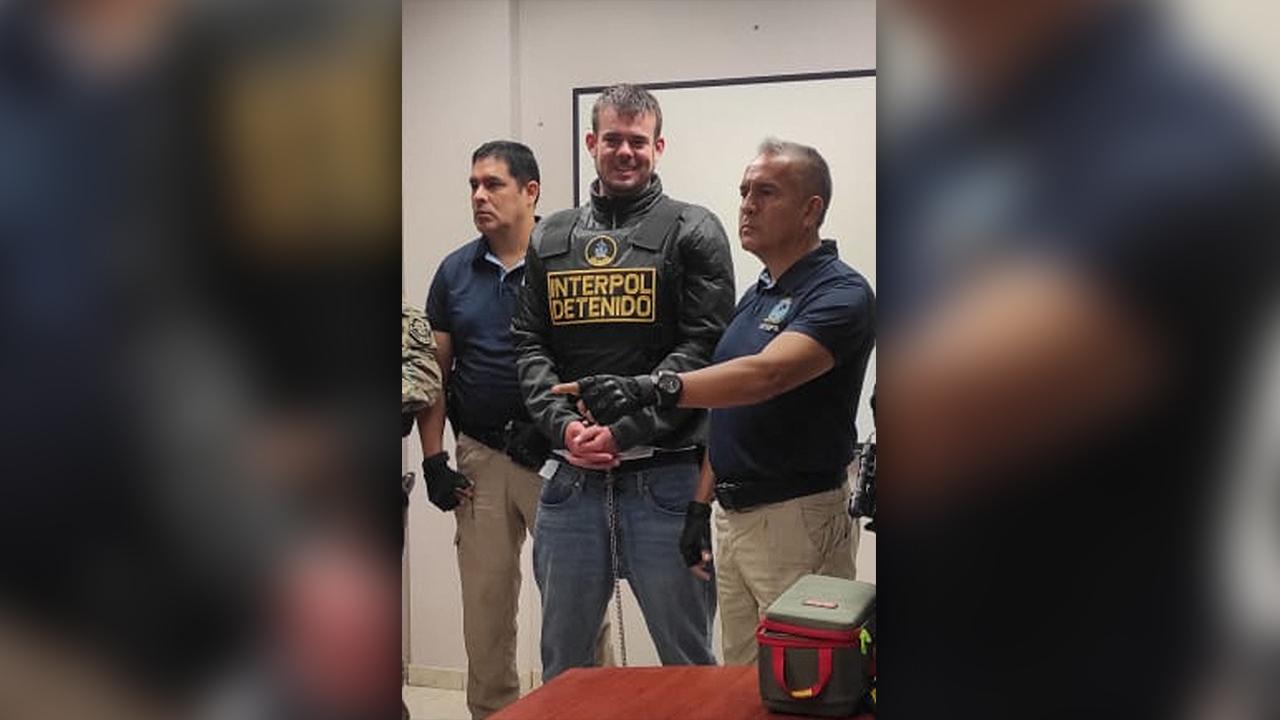
In 2010, Peruvian student Stephany Flores was murdered in Lima. Van der Sloot was arrested after evidence linked him to the crime. He eventually admitted responsibility for Flores’s death and was convicted in Peru, receiving a lengthy prison sentence.
The Flores case changed the way investigators viewed van der Sloot. Authorities who had followed the Holloway investigation for years saw a connection between the two cases and renewed questions about what else he might know.
The FBI became involved in a separate investigation related to possible information about Holloway’s disappearance. Because van der Sloot was already facing serious legal consequences, investigators believed they needed a different approach to obtain information.
This led to the development of an undercover operation.
The concept behind a sting operation is to create a controlled situation where a suspect voluntarily reveals information or engages in behavior that can later be used as evidence. Such operations require careful planning because investigators must balance gathering information with following legal procedures.
In van der Sloot’s case, undercover agents attempted to establish a relationship of trust. They presented themselves as individuals who could potentially offer financial assistance or other benefits, creating an environment where van der Sloot might feel comfortable speaking openly.
Investigators believed that a person who had avoided telling the truth for years might reveal information when motivated by personal gain.
The operation became a psychological contest. On one side were federal investigators attempting to uncover information. On the other was a suspect known for changing his stories and presenting different versions of events depending on the situation.
The challenge was understanding whether van der Sloot was revealing genuine information or simply attempting to manipulate those around him.
According to publicly available accounts, the undercover operation produced statements that investigators considered important. However, the broader mystery surrounding Natalee Holloway’s disappearance remained a difficult and emotional issue for her family and supporters.
For years, many questions remained unanswered. What happened during the final hours of Holloway’s life? Were there other people involved? Did van der Sloot reveal everything he knew?
These questions continued to fuel public interest.
The case also raised broader discussions about the limits and ethics of undercover investigations. Some critics questioned whether using financial incentives or deception was appropriate, while law enforcement officials argued that such methods are sometimes necessary when dealing with individuals who conceal the truth.
Supporters of the FBI approach pointed out that traditional investigative methods had failed to produce answers for years. They argued that investigators needed creative strategies to confront a suspect who had repeatedly avoided accountability.
The van der Sloot case became a reminder of the difficulties involved in solving international crimes. Investigations crossing multiple countries involve legal differences, cultural challenges, and complex evidence issues.
It also demonstrated the psychological challenges investigators face when dealing with suspects who appear skilled at manipulation. Understanding behavior, predicting decisions, and creating opportunities for disclosure can become just as important as collecting physical evidence.
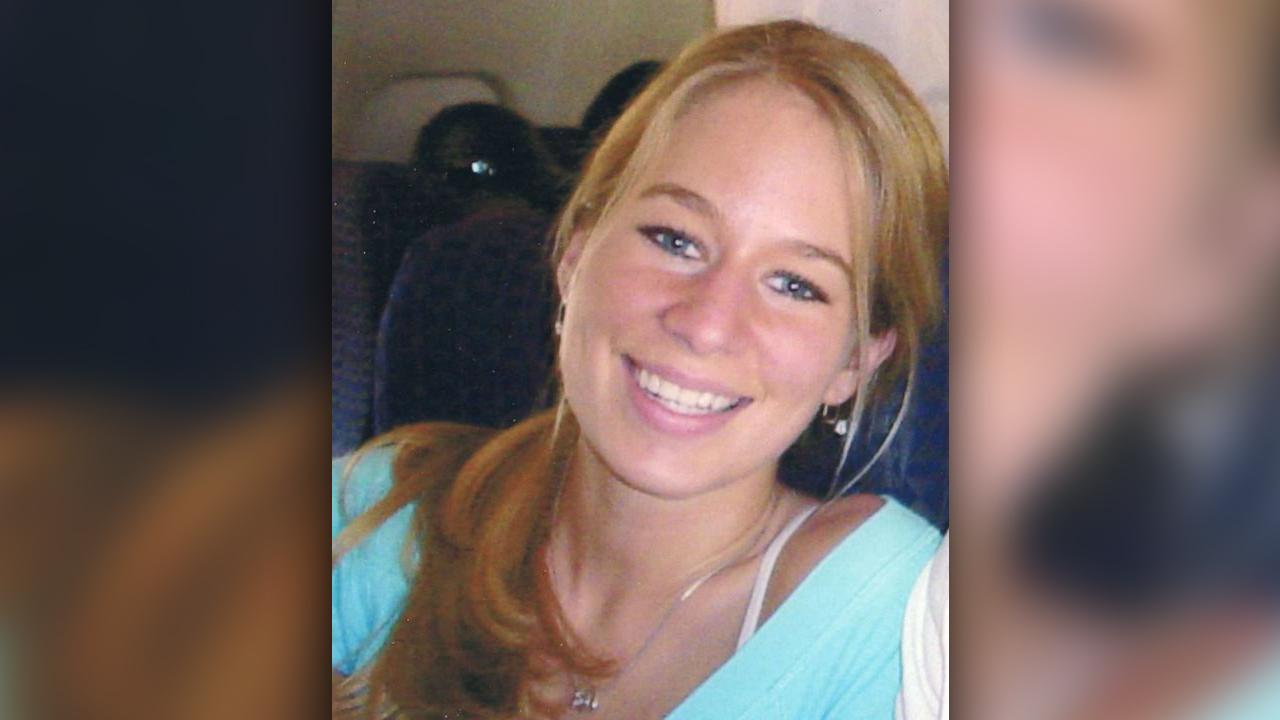
Despite the dramatic nature of the investigation, many mysteries remain part of public discussion. The search for complete answers regarding Natalee Holloway’s disappearance continues to represent one of the most painful unresolved chapters connected to van der Sloot’s name.
The story of Joran van der Sloot is not only about crime. It is also about the long pursuit of truth, the determination of investigators, and the families left searching for closure.
The FBI sting operation showed how far authorities may go when conventional methods fail. It revealed a world where investigations can become battles of patience, strategy, and psychological endurance.
Years after the events that made him infamous, van der Sloot remains a symbol of one of the most complicated criminal cases of the 21st century. The unanswered questions surrounding the past continue to capture public attention, reminding the world that some mysteries are not easily buried — even after time has passed.