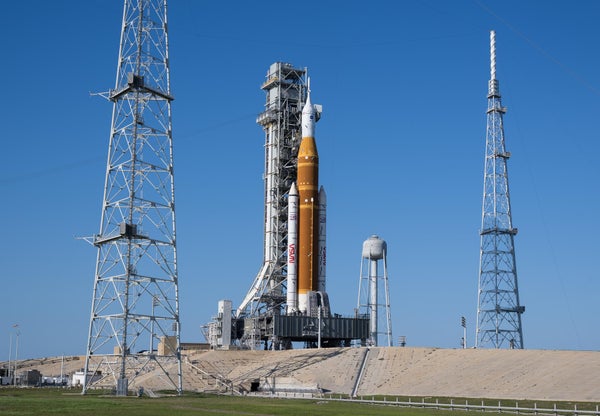
Humanity has taken a giant leap back toward the Moon. On Wednesday evening, April 1, 2026, NASA’s powerful Space Launch System (SLS) rocket lifted off from Launch Pad 39B at Kennedy Space Center in Florida at 6:35 p.m. EDT (11:35 p.m. UK time), carrying four astronauts on the Artemis II mission — the first crewed flight to the Moon since Apollo 17 in 1972.
This groundbreaking 10-day journey marks a new chapter in space exploration. The crew consists of NASA astronauts Commander Reid Wiseman, Pilot Victor Glover, and Mission Specialist Christina Koch, alongside Jeremy Hansen from the Canadian Space Agency. Together, they are embarking on a 685,000-mile round trip that will take them 4,700 miles beyond the far side of the Moon, setting a new record for the farthest humans have traveled from Earth in over half a century.

Unlike future landing missions, Artemis II is a test flight. The astronauts will not touch down on the lunar surface but will fly a free-return trajectory around the Moon, testing the Orion spacecraft’s life support systems, navigation, and deep-space capabilities with humans aboard for the first time. This mission paves the way for Artemis III, which aims to return astronauts to the lunar surface, and Artemis IV, planned for no earlier than 2028, where crew members will spend a week near the Moon’s South Pole.
The launch had faced delays. Originally targeted for earlier in the year, the mission was postponed by two months due to technical issues including hydrogen fuel leaks and blocked helium lines in the rocket system. Weather concerns also loomed, but conditions proved favorable on launch day. Artemis Launch Director Charlie Blackwell-Thompson captured the excitement, stating: “It is an exciting time for this team and our crew and really our nation and the world.”
The diverse crew brings a wealth of experience. Reid Wiseman, a former US Navy test pilot, previously spent six months on the International Space Station. Victor Glover is making his second spaceflight after piloting SpaceX’s Crew-1 mission. Christina Koch holds the record for the longest single spaceflight by a woman, with 328 days aboard the ISS. Jeremy Hansen, a former Royal Canadian Air Force fighter pilot and physicist, becomes the first Canadian to travel beyond low Earth orbit.
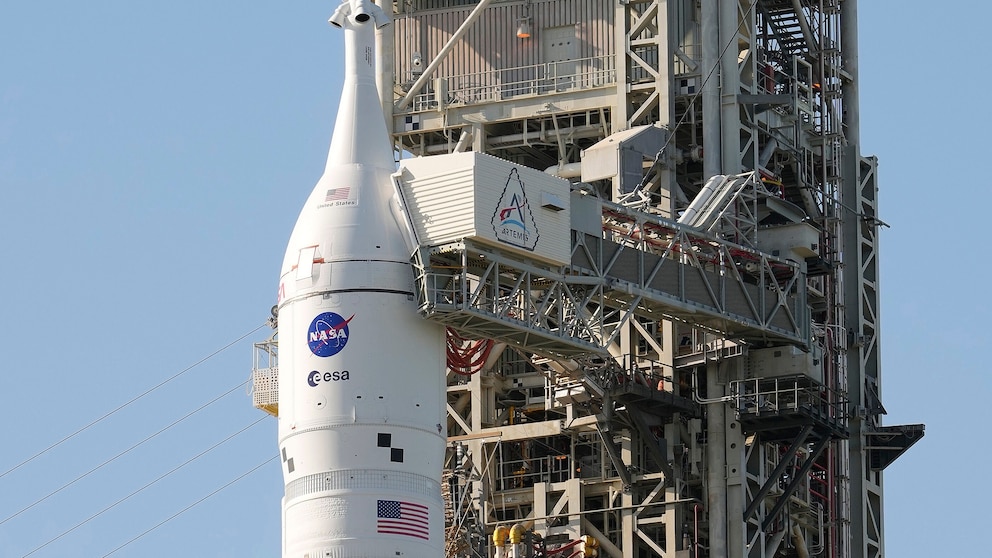
As the Orion capsule separates from the SLS rocket and begins its journey, the astronauts will conduct critical systems checks, including manual flying exercises and troubleshooting tasks such as issues with the spacecraft’s toilet. Ground teams and the crew are working closely to ensure every system performs flawlessly in the harsh environment of deep space.
For those eager to follow the mission, NASA is providing extensive live coverage on its YouTube channel and website. Brits and viewers worldwide can tune in for updates on the crew’s progress, lunar flyby, and eventual Pacific Ocean splashdown.
Artemis II represents more than just a return to the Moon — it symbolizes international cooperation, scientific advancement, and humanity’s enduring drive to explore. The program aims to establish a sustainable human presence on the Moon, serving as a stepping stone for eventual crewed missions to Mars.
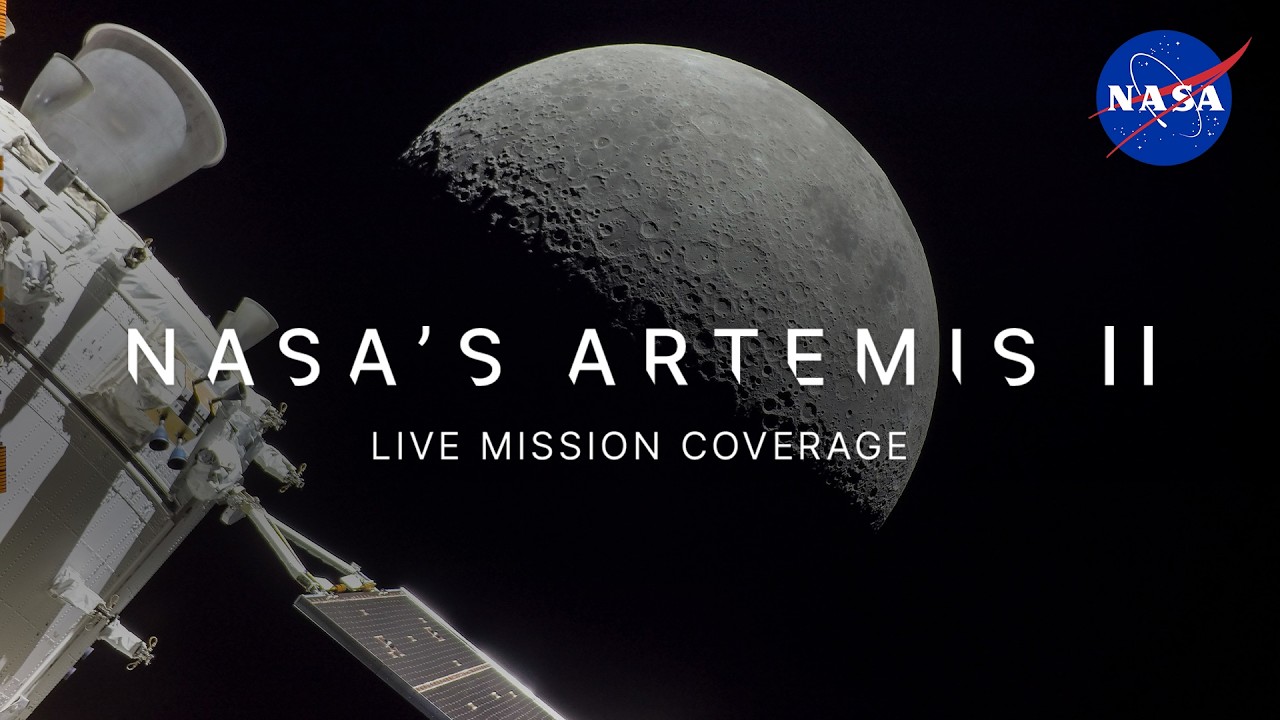
As the four astronauts speed toward the Moon, the world watches with anticipation. After more than five decades since the last Apollo landing, this mission reignites the spirit of discovery. The successful launch has already been hailed as a triumph of engineering and teamwork, setting the stage for humanity’s next giant leaps into the cosmos.
The coming days will bring new milestones as the crew ventures farther than any humans since 1972. Their journey reminds us that the Moon is no longer the final frontier — it is the beginning of a new era of space exploration.




