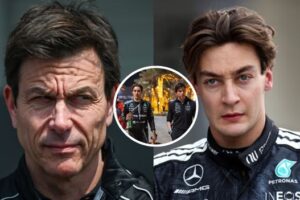
The British Grand Prix presented Ferrari with a complex strategic dilemma during the late deployment of the Safety Car. Lewis Hamilton, running in second place, followed the team’s instruction to pit, but this decision ultimately cost him a position when the race concluded under neutralised conditions. Charles Leclerc went on to secure a well-deserved victory, marking another strong result for the Italian squad. However, Hamilton had to settle for third place on the podium, leaving some sense of what might have been for the British driver and his team.
The Safety Car was triggered after Max Verstappen spun into the gravel. At that moment, Leclerc, leading the race, benefited from a straightforward opportunity to take fresh soft tires and protect his advantage in case of a restart. For Hamilton, the situation was more delicate. Ferrari anticipated that Mercedes would likely keep George Russell out on track if Hamilton stayed out, allowing Russell to potentially gain the position with newer rubber. By pitting Hamilton, the team aimed to cover this threat, but the race never resumed, enabling Russell to maintain second without further challenge. Hamilton, equipped with fresher tires, had been preparing to attack his former teammate ahead, yet the neutralised finish denied him that opportunity.
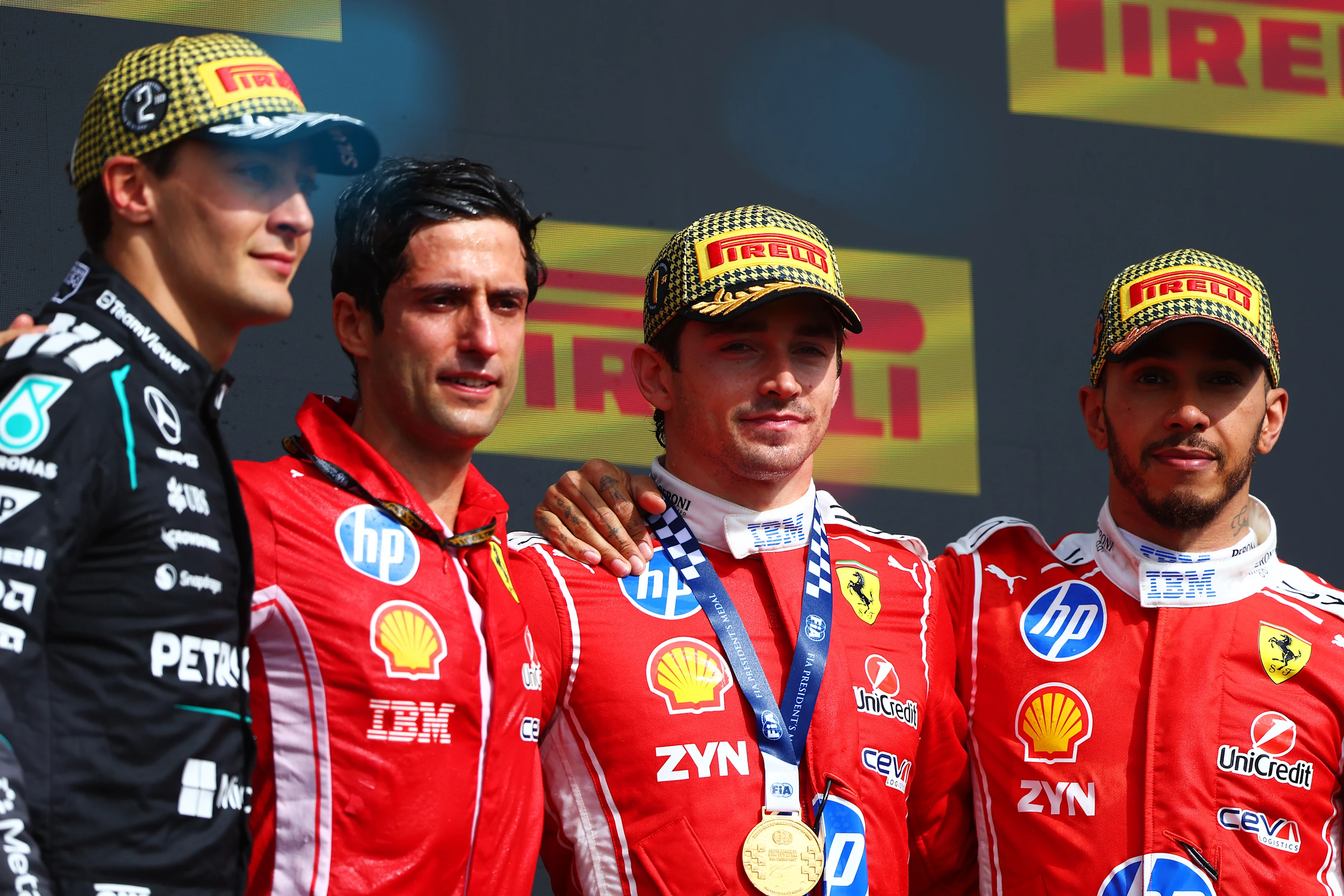
This outcome proved frustrating for the loss of valuable points, yet it formed part of a broader successful weekend for Ferrari. The victory for Leclerc represented their second win in three races and reinforced their position as the primary rival to Mercedes in the current season. Team Principal Fred Vasseur later addressed the call, maintaining that the team made the correct choice given the information available at the time.
Vasseur Defends the Decision and Highlights Team Progress
In post-race comments, Vasseur acknowledged the debate surrounding Hamilton’s pit stop but insisted it was the only logical move. He explained that failing to pit would have exposed them to Russell switching to fresh soft tires while Ferrari ran on older hard compounds. This scenario carried significant risk of losing track position. The team was also caught off guard by how long the Safety Car remained deployed, as they had prepared expecting a resumption of green-flag racing. Vasseur emphasized that, even with hindsight, he would make the same strategic call again.
Beyond the specific incident, the Silverstone performance signaled clear advancement for Ferrari. Earlier struggles, such as tire management difficulties in Austria, had raised questions, but the car demonstrated strong inherent speed with competitive qualifying positions. Despite known performance shortfalls, particularly in power unit output, the team exceeded expectations on a circuit traditionally unfavorable for them. Vasseur noted the greater challenges at high-speed venues like Silverstone compared to twisty tracks such as Monaco, which motivated the squad to extract every possible improvement incrementally throughout the weekend.
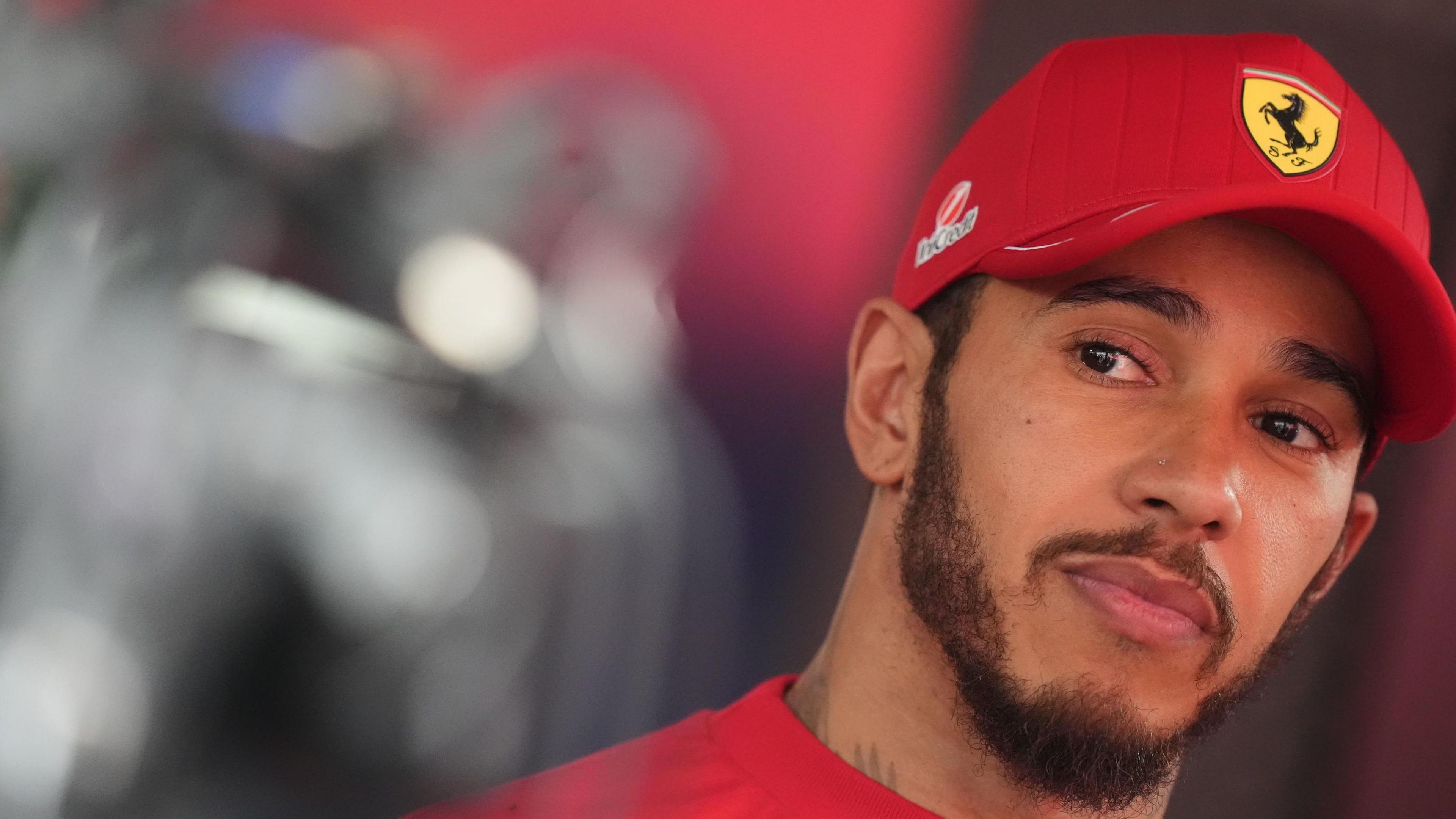
He pointed out that success at Silverstone was not solely dependent on engine power. Windy conditions and a front-limited track characteristic added layers of complexity. The team managed these factors effectively alongside ongoing development efforts. Looking ahead, Vasseur adopted a pragmatic stance, recognizing that each race presents fresh demands. The upcoming Belgian Grand Prix at Spa would bring different weather and new tests, requiring the team to reset and accumulate small gains rather than seeking dramatic leaps in performance. This methodical approach underscores Ferrari’s commitment to consistent progress across varying conditions.

Leclerc’s Confidence Boost and Path Forward
A particularly encouraging aspect of the weekend was Charles Leclerc’s return to winning form. After a challenging period, his victory provided a timely lift, reaffirming his status within the team. Vasseur expressed unwavering support for his driver, noting that data had remained positive even during recent races where results did not match the pace. Qualifying performances, such as starting from the front row in Austria, showed underlying strength, though points had been harder to come by.
Vasseur attributed some difficulties to the continuous car development process, which necessitates frequent setup adjustments. Additional factors, including recent brake changes, required further adaptation. However, he believed the core issue was more related to confidence than outright performance. The British Grand Prix triumph offered the ideal remedy, delivering a significant morale boost that should benefit Leclerc moving forward.
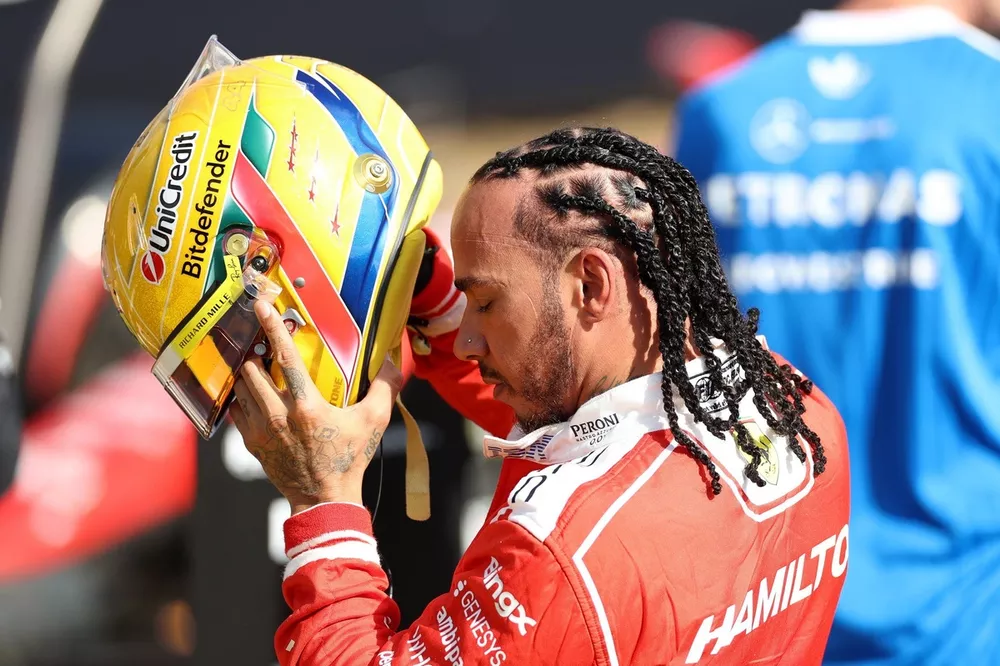
Overall, Ferrari’s showing at Silverstone demonstrated resilience and adaptability. The team navigated power deficits, environmental variables, and strategic complexities to secure a memorable result. While the Hamilton pit stop decision sparked discussion, it reflected proactive thinking in a fluid race situation. As the championship unfolds, Ferrari’s ability to compete closely with Mercedes highlights their emergence as serious contenders.
The weekend’s events illustrate the multifaceted nature of Formula 1 strategy, where split-second choices can influence final outcomes even if circumstances ultimately change. Vasseur’s leadership and belief in his drivers have fostered an environment where progress continues despite obstacles. For Hamilton, the podium still contributed valuable points, while Leclerc’s success strengthened team momentum. With future challenges on the horizon, Ferrari remains focused on refining every area—from setup optimization to race execution—to maximize their potential. This balanced perspective positions them well for the remainder of the season, where small, consistent improvements could prove decisive in the tight battle at the front of the grid.