Lewis Hamilton successfully held onto his podium position at the British Grand Prix following a post-race review by the FIA stewards. The seven-time world champion finished third on the road in a race that concluded under the safety car amid chaotic late-race conditions at Silverstone. Although Hamilton faced potential disqualification or a time penalty for a yellow flag infringement, the officials ultimately decided against imposing a significant sanction, allowing him to keep his hard-earned result.
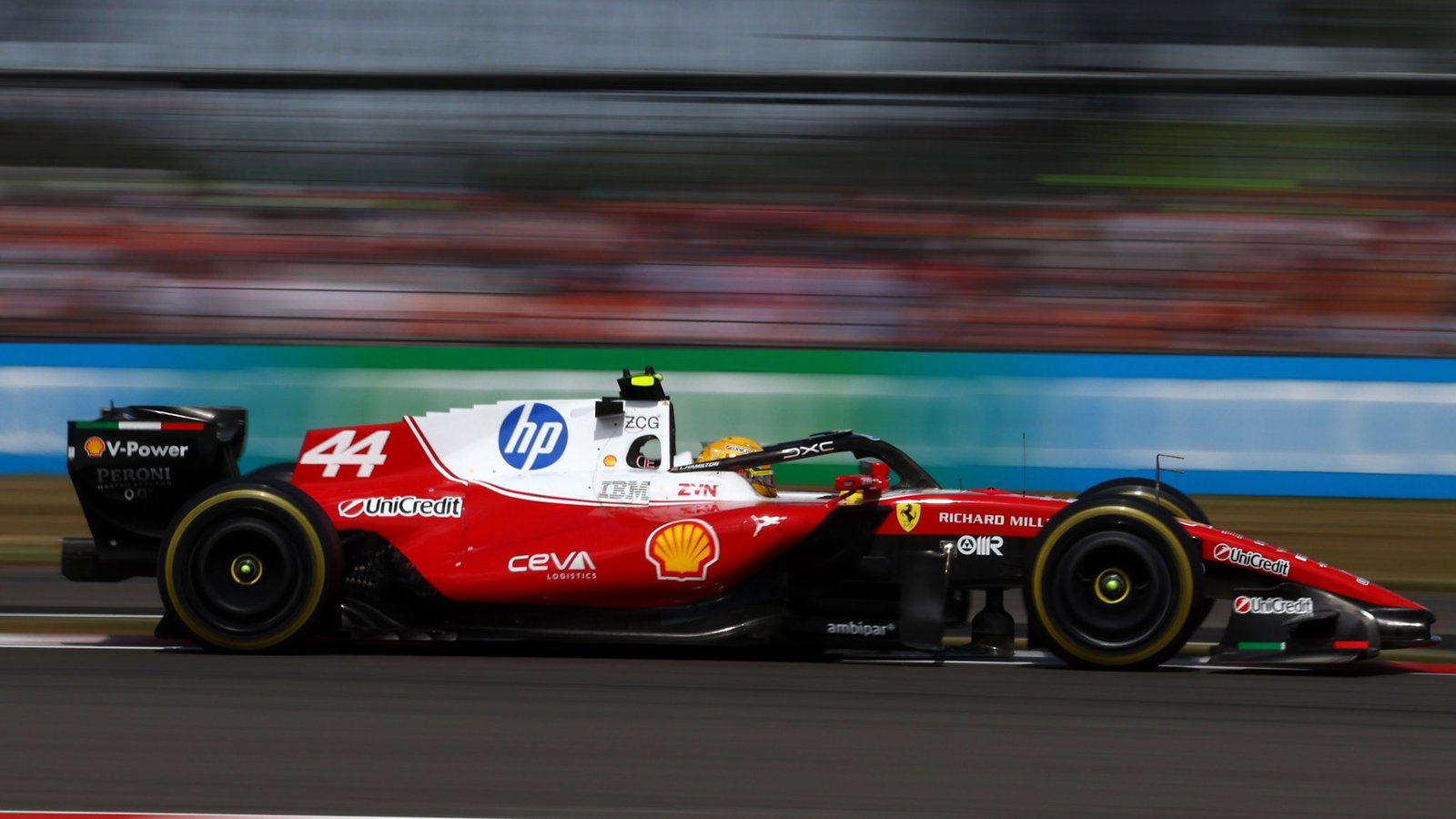
The incident occurred when Nico Hulkenberg’s Audi came to a stop at the side of the track, triggering yellow flags in that sector. Hamilton admitted after the race that he had not noticed the warnings while navigating the area. Despite his own expectation of a penalty, the stewards reviewed comprehensive evidence and issued only a reprimand. This decision preserved Hamilton’s podium finish for Ferrari and marked another chapter in his eventful 2026 season with the Italian team. The outcome highlighted the complexities of stewarding decisions in modern Formula 1, where technology, driver perspective, and race circumstances all play critical roles.
Hamilton had already received a five-second time penalty earlier in the race for a false start. His candid comments to Sky Sports F1 reflected a sense of resignation as he discussed the accumulating difficulties. He noted that he had visited the stewards immediately after the race but remained uncertain about the final verdict at that moment. The Briton’s transparency about the infringement showed sportsmanship, even as he braced for what he believed would be further consequences.
Stewards’ Detailed Investigation and Reasoning
The FIA stewards conducted a thorough examination before reaching their conclusion. They gathered testimony from Hamilton and the Ferrari team representative, along with extensive data including positioning and marshalling system records, video footage, timing information, telemetry, and in-car camera evidence. Their analysis revealed a nuanced situation that justified a lenient approach rather than a harsh penalty.
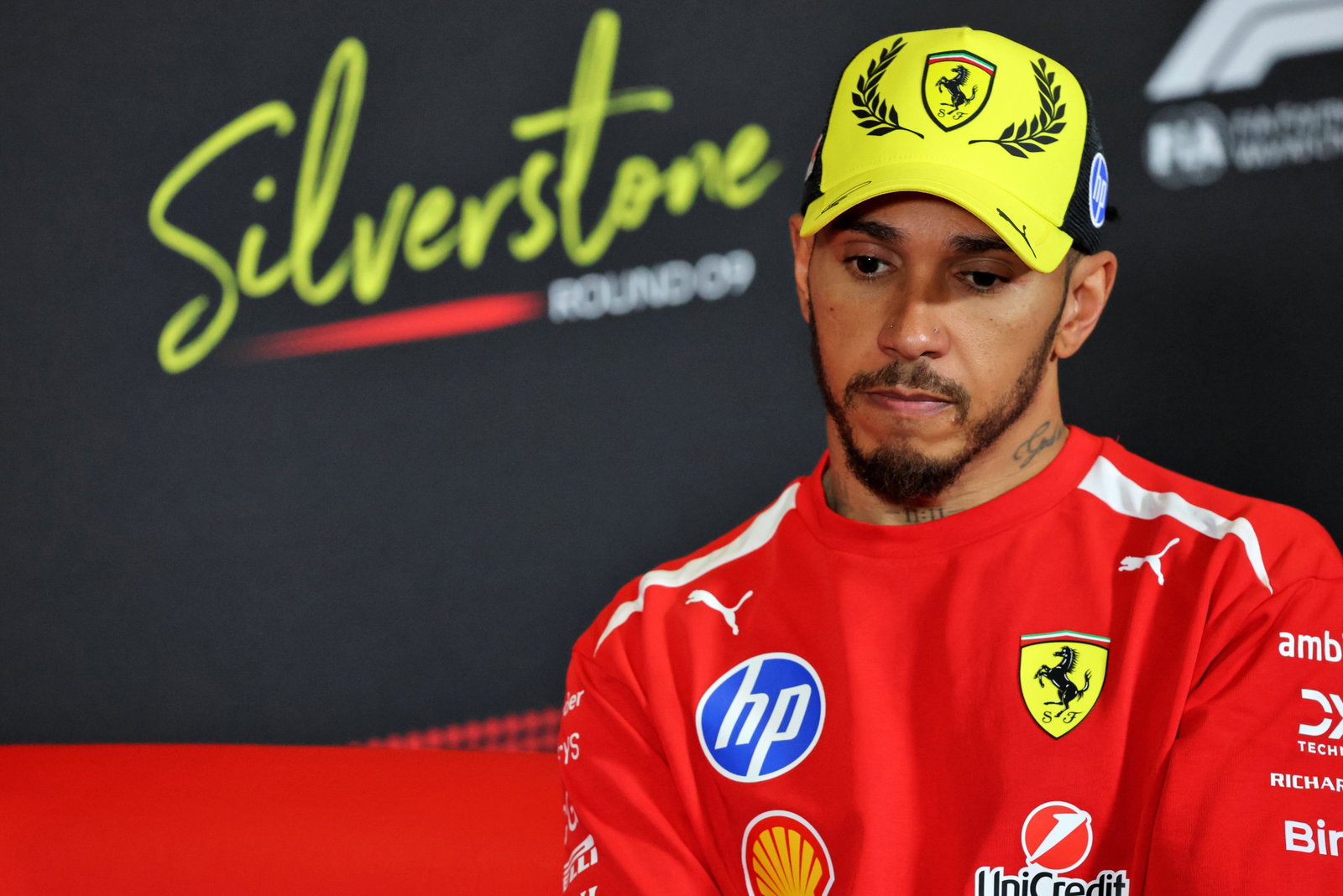
According to the official verdict, Hamilton entered the critical sector before any yellow flag or light panel had been activated. No visual warnings were present prior to Turn 9. The first light panel he encountered after that point displayed a green signal just before Turn 10. The yellow indication on his steering wheel only appeared when he was already accelerating down the straight toward Turn 10, near the exit of the yellow flag zone. This timing significantly limited the opportunity for reaction.
Evidence further showed that no yellow light panel was visible within Hamilton’s direct field of vision during the key moments. The dashboard warning itself was displayed only briefly. These factors led the stewards to conclude that the time available for the driver to respond appropriately was extremely restricted. They also considered the immediate context of the race: Hamilton had just been engaged in an intense overtaking battle with Max Verstappen. His attention remained focused on his mirrors in anticipation of a counter-move, rather than on distant light panels.
The stewards acknowledged that, after the yellow warning appeared on the steering wheel and the green panel illuminated before Turn 10, Hamilton did not make a noticeable reduction in speed. This meant he did not fully meet the strict requirements for driving through a single yellow flag zone. However, they weighed this breach against the mitigating circumstances, including his early entry into the sector before warnings were active, the short distance and time for reaction, and the distraction caused by the preceding on-track duel.
Why a Reprimand Was Deemed Appropriate
In determining the outcome, the stewards emphasized a balanced assessment of responsibility and fairness. They recognized that Hamilton’s attention was understandably occupied by the competitive battle unfolding around him. The combination of delayed warnings, limited visibility, and the driver’s focus on mirrors created a scenario where full compliance was challenging. A full penalty, such as a time addition that could have dropped him from the podium, was therefore not considered proportionate.
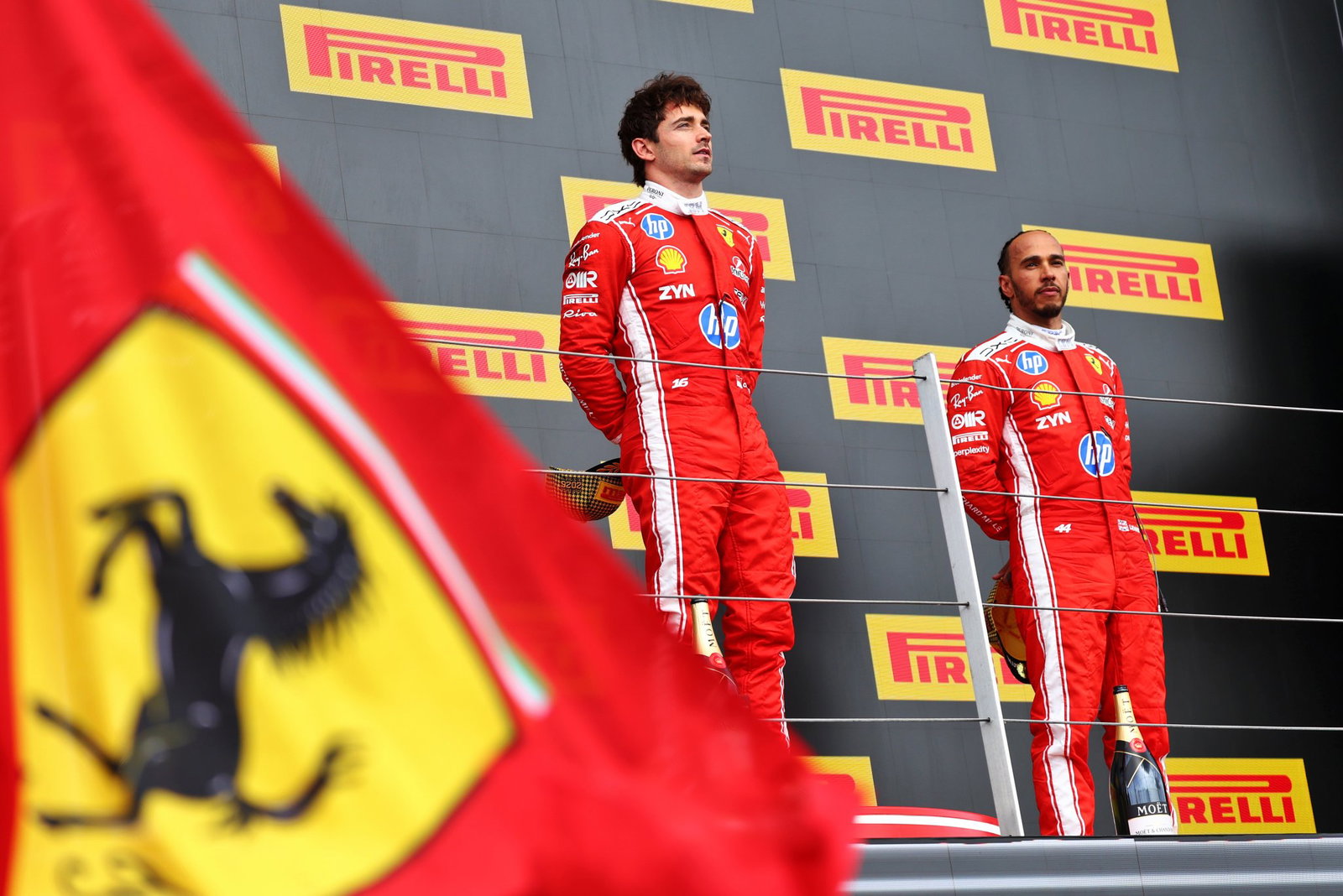
This reprimand-only decision allowed Hamilton to maintain third place, contributing to Ferrari’s strong collective result alongside Charles Leclerc’s victory. At 41 years old, Hamilton continues to demonstrate his enduring competitiveness in the sport, even as he adapts to new challenges with the Scuderia. The incident also underscores ongoing discussions in Formula 1 about improving flag and warning systems to ensure clearer communication with drivers during high-speed, high-pressure situations.

The British Grand Prix weekend proved emotionally charged for Hamilton. From the false start penalty to the late-race yellow flag moment and the subsequent investigation, multiple factors tested his composure. Yet his ability to secure a podium despite these obstacles highlighted resilience and experience. The stewards’ verdict reflected an understanding of real-world racing dynamics rather than a rigid application of rules without context.
For Ferrari, retaining Hamilton on the podium strengthened their overall performance at Silverstone, a circuit rich in history for the team. It also provided valuable points in the constructors’ championship battle. The case serves as a reminder that stewarding decisions often involve subjective interpretation of evidence, driver intent, and situational awareness.
Hamilton’s post-race honesty about the potential penalty earned respect from fans and observers. Rather than deflecting blame, he openly acknowledged the mistake while awaiting the official ruling. This approach aligns with his longstanding reputation for integrity in a sport where controversies frequently arise.
Looking ahead, the incident may prompt further refinements in how track signals are delivered and monitored. Enhanced systems could help prevent similar grey areas in the future, benefiting both drivers and the integrity of results. For Hamilton personally, keeping the podium after such scrutiny offers a psychological lift following a mixed season that has included strong showings alongside moments of adversity.
The British Grand Prix at Silverstone once again delivered drama both on and off the track. Hamilton’s retention of third place, despite the yellow flag investigation, exemplified the intricate decision-making processes that define top-level motorsport. It allowed the veteran champion to celebrate a positive outcome on home soil while Ferrari consolidated their success through Leclerc’s win and a solid team performance.
In the end, the stewards’ careful weighing of evidence ensured a fair resolution that considered the full picture rather than an isolated breach. This balanced judgment preserved the sporting spectacle and rewarded Hamilton’s overall contribution to an eventful race.