Hamilton’s Barcelona Triumph: A Step Toward Title Contention?
Lewis Hamilton delivered a landmark performance by claiming his 106th career victory and first win with Ferrari at the Barcelona-Catalunya Grand Prix. The result propelled him to second in the drivers’ championship, closing the gap to leader Kimi Antonelli to 41 points after the Mercedes driver retired from the race. Completing the podium were George Russell in second and Lando Norris in third, marking the first all-British top three since the 1968 United States Grand Prix. This outcome has sparked fresh discussions about Hamilton’s championship prospects and Ferrari’s strategic direction.
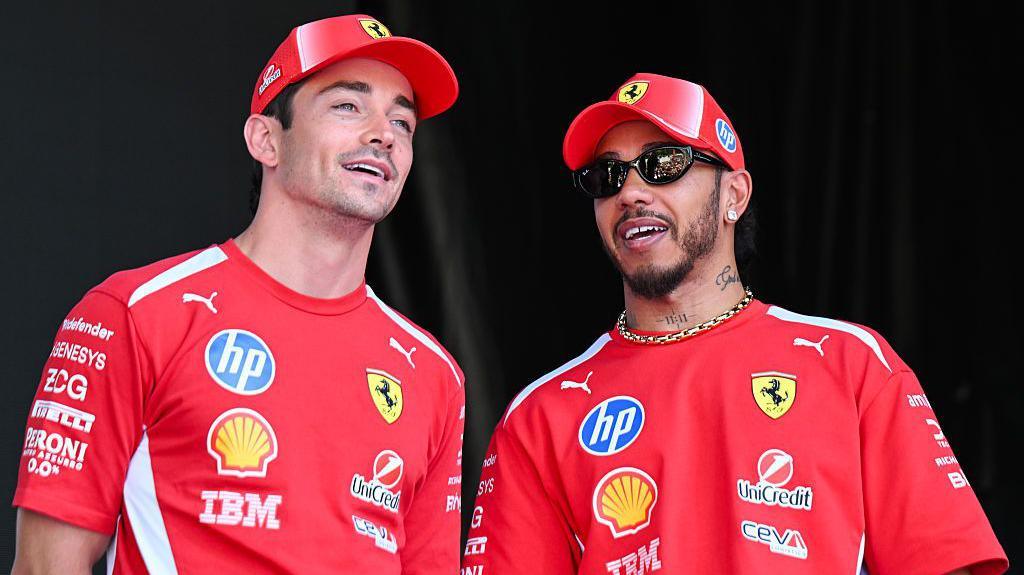
While the victory marks a significant milestone, it remains premature to declare Hamilton a definitive contender for an eighth world title. Prior to Spain, both driver and team appeared distant from the championship battle, as Mercedes had established clear dominance. A major aerodynamic upgrade on the Ferrari, combined with favorable race circumstances, enabled Hamilton to emerge as the strongest on the day. Mercedes’ decision to cover Hamilton’s early pit stop disrupted their own two-stop plan, effectively handing the Ferrari driver a strategic edge with a three-stop approach. A well-timed virtual safety car further assisted by providing a low-cost pit stop that helped him maintain the lead.
Even without the virtual safety car intervention, Hamilton’s pace suggested he was the driver to beat, though overtaking both Mercedes cars and Norris’s McLaren would have presented a tougher challenge, especially with Antonelli’s late retirement. Ferrari continues to trail Mercedes in straight-line power, but Barcelona’s layout favored the Italian car’s superior cornering performance. The upcoming races in Austria, Britain, and Belgium emphasize power more heavily, where Ferrari may struggle unless their anticipated engine upgrade delivers meaningful gains. Reports indicate Ferrari has been cleared for additional power unit developments this season and next, raising hopes for improved competitiveness soon.
Hamilton’s success has made title talk more plausible, yet sustained evidence across multiple circuits will be necessary before confirming a genuine championship challenge. The win highlights Ferrari’s potential but also underscores the importance of consistent execution rather than relying on isolated breakthroughs. For now, the result serves as encouragement rather than confirmation of a title bid.
Leclerc’s Qualifying Challenges: Adaptation or External Pressure?
Questions have arisen about whether Charles Leclerc’s recent qualifying difficulties stem from the added pressure of Lewis Hamilton’s strong form or from technical issues with the car. Analysis of the Spanish weekend suggests a more nuanced picture, particularly when viewed separately from the preceding races in Canada and Monaco.
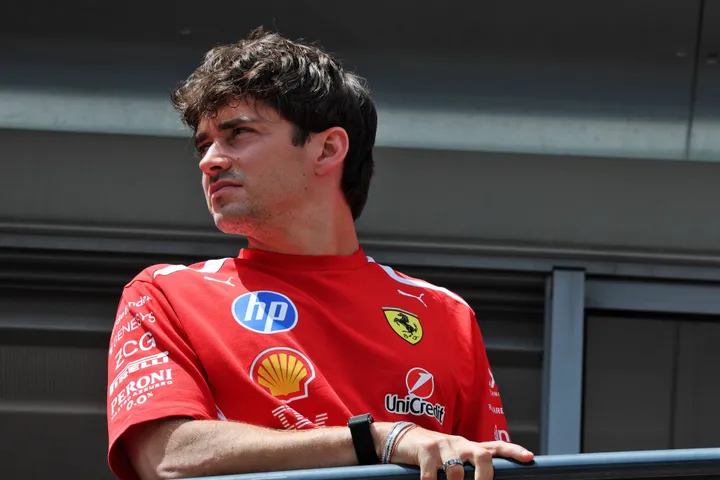
In those earlier events, Leclerc clearly battled braking characteristics, using different brake discs than Hamilton that failed to deliver the desired feel. For Barcelona, he adopted Hamilton’s setup and reported greater satisfaction. Practice sessions showed him ahead of his teammate, with impressive race simulation times that caught Mercedes’ attention. He also outpaced Hamilton in the second part of qualifying before an error in Q3 ended his session prematurely.
Leclerc identified Turn Four as a persistent weak point compared to Hamilton. Attempting to match the veteran’s late braking into the corner initially seemed successful on entry, but it caused him to run wide, lose momentum on exit, and ultimately crash. Hamilton later reflected that Leclerc likely pushed to replicate the aggressive braking point that had been visible throughout the weekend, but the execution did not pay off. Starting the race from 10th on the grid, Leclerc made strong early progress before a mid-race strategy shift by Ferrari—reportedly moving toward a two-stop after initially planning three—may have affected his rhythm. Team principal Fred Vasseur noted the change complicated Leclerc’s race, including an additional stop just before the safety car, yet emphasized that the driver’s confidence and car feel had markedly improved compared to recent weeks.
Across the full season so far, Hamilton holds a 6-4 qualifying advantage, but Leclerc maintains a slight edge in average pace by a narrow 0.025 seconds. This indicates the intra-team battle remains close, with Leclerc’s Spain crash appearing more a case of overambition in a specific corner than systemic pressure from Hamilton’s revival. The switch to matching brake setups seems to have resolved earlier discomfort, allowing Leclerc to fight closer to the front.
Mercedes’ Internal Dynamics and Aston Martin’s Development Path
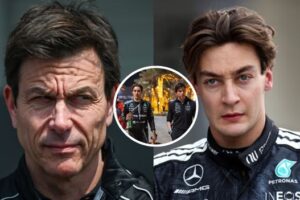
Mercedes faces the enviable yet delicate situation of having both drivers—Kimi Antonelli and George Russell—contending at the front of the championship. While internal rivalry can motivate strong performances, it also requires careful management to avoid compromising team results. Early in the season, the squad permitted open competition between the pair, but interventions became necessary during intense battles in Canada and Spain. In Barcelona, the team instructed the drivers to ease their on-track fight after it began costing time against Hamilton. Once the Ferrari was out of reach, the intra-team contest resumed, culminating in Antonelli passing Russell for second before his retirement.
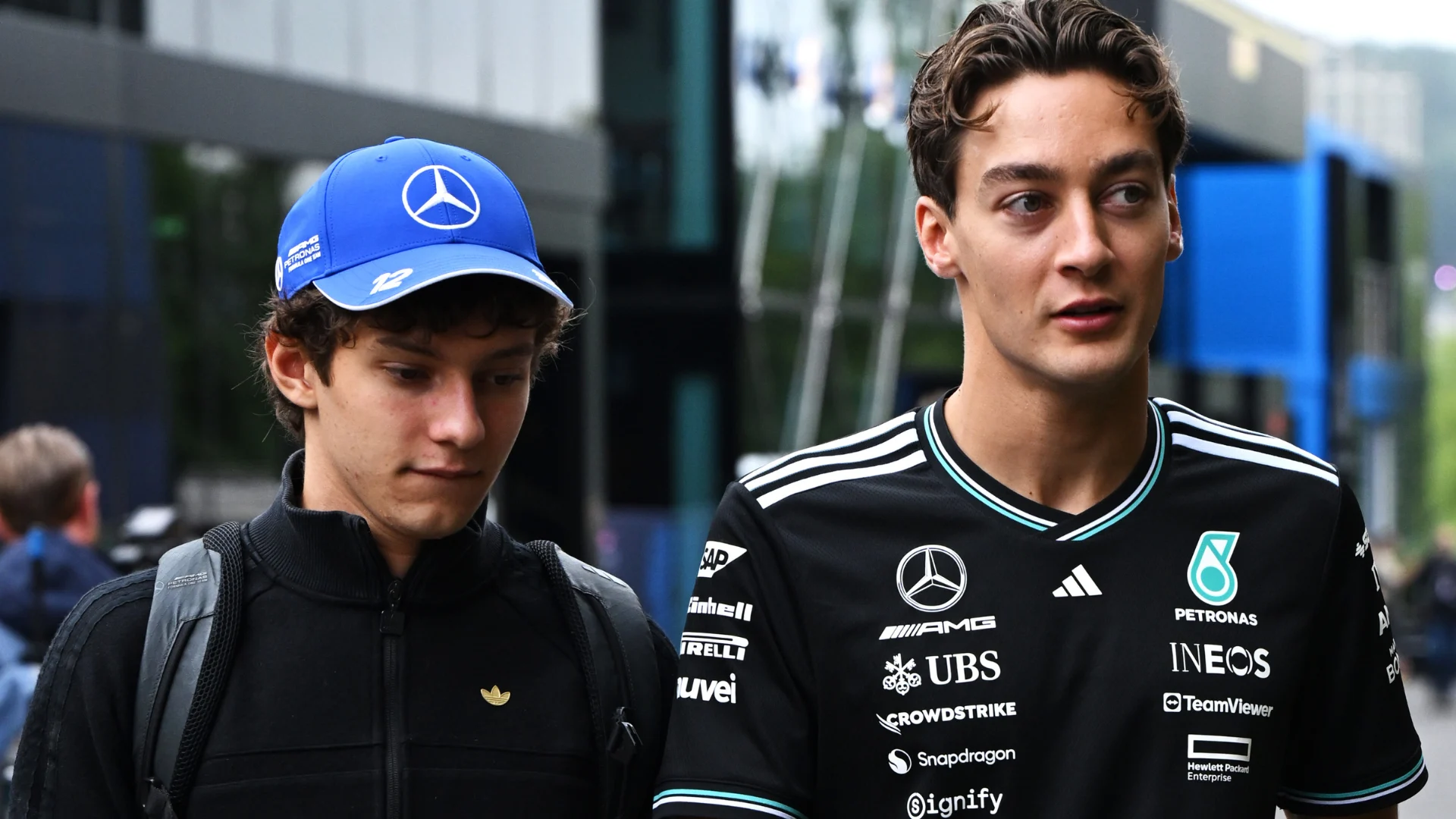
Team principal Toto Wolff indicated post-race discussions would address future scenarios, especially with Ferrari and McLaren now emerging as credible threats. The presence of additional contenders necessitates recalibrating how the drivers approach battles to prevent mutual hindrance while preserving competitive spirit. For a leading team, having two drivers in title contention represents a strong position overall, provided internal protocols evolve with the changing competitive landscape.
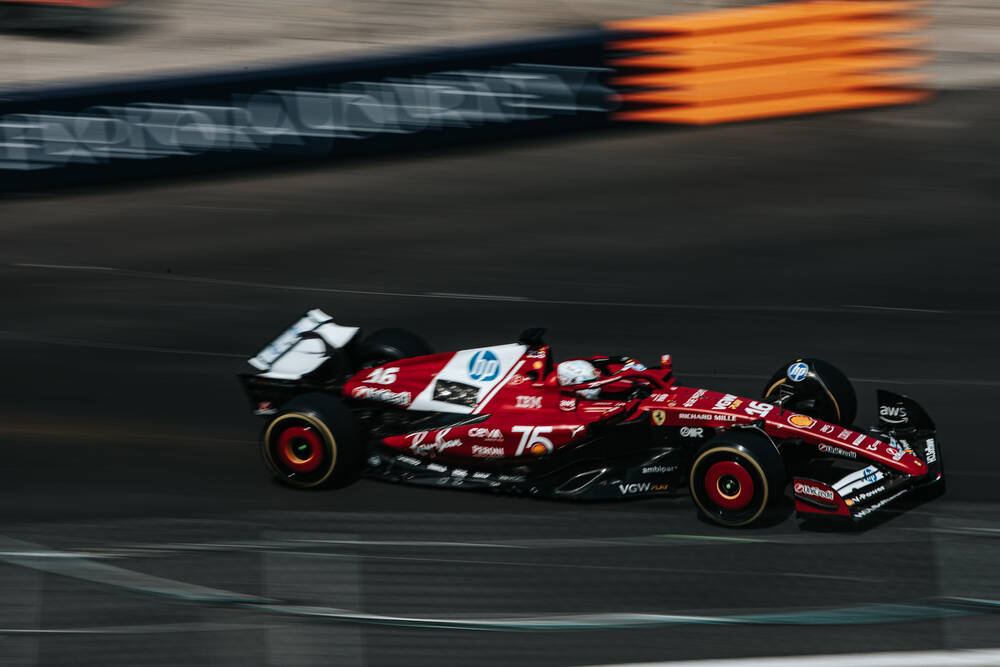
Meanwhile, Aston Martin’s recent form has raised concerns about stagnation or a shift in focus toward 2027. The team insists it has not abandoned the current season, attributing its slide to a deliberate strategy of concentrating resources on a single major aerodynamic upgrade package rather than incremental updates. This major step is slated for introduction around the Belgian Grand Prix. A revised Honda power unit is also expected after the summer break, likely by the Dutch Grand Prix.
Even an ambitious two-second-per-lap gain from the upgrade would only elevate Aston Martin toward the level of teams like Racing Bulls, a respectable improvement from their current struggles but still far from title contention. Past upgrades have often underdelivered despite promising simulations, making the success of this package critical—particularly with the arrival of design expert Adrian Newey and a new wind tunnel supporting more reliable development.
Fernando Alonso’s future remains closely tied to these developments. Out of contract at season’s end, the 45-year-old Spaniard plans to decide after the summer, closely monitoring the upgrades’ impact. Having expressed reluctance to conclude his career amid ongoing difficulties, Alonso continues to believe in his abilities at the highest level. However, he is unlikely to commit to another season of frustration if progress appears limited. With top seats likely unavailable, his decision will hinge on whether Aston Martin demonstrates credible forward momentum for the coming year.