Former Formula 1 world champion Nico Rosberg has delivered sharp criticism of his former team Mercedes following the recent race in Barcelona. According to Rosberg, the squad’s leadership made a strategic error by prioritising the protection of George Russell at the expense of a genuine opportunity to secure a win. This over-cautious approach, he argues, cost the team a potential victory and highlighted ongoing issues within the Silver Arrows’ race management.
The comments came in the aftermath of the Spanish Grand Prix, where Mercedes found themselves in a strong position but ultimately failed to capitalise fully. Rosberg, who maintains a close eye on the sport as a pundit and former driver, did not hold back in his analysis. Speaking to Motorsport Aktuell, he pointed directly to what he sees as misplaced loyalty towards Russell that overshadowed the team’s broader competitive goals. In Rosberg’s view, when a clear chance to win presented itself, the team should have acted decisively rather than playing it safe.

This latest critique arrives at a pivotal moment for Mercedes. The 2026 season has brought both promise and frustration for the Brackley-based outfit. While the car has shown flashes of competitiveness, execution on race day has sometimes fallen short. Rosberg’s remarks shine a light on internal dynamics, particularly the balance between nurturing talent and pursuing outright success. His perspective carries significant weight given his deep knowledge of the team’s culture from his own championship-winning days behind the wheel.
Performance Contrast Between Russell and Antonelli
At the heart of Rosberg’s criticism lies the differing race performances of George Russell and his young teammate Kimi Antonelli. The Italian rookie has continued to impress, demonstrating strong pace during the actual Grand Prix distance. Rosberg highlighted how Antonelli once again proved himself to be the quicker driver once the race got underway, even if qualifying results told a slightly different story.
“Antonelli again showed that he is the faster one in the race,” Rosberg stated. While Russell can hold his own against the best drivers during Saturday’s qualifying sessions, something appears to be missing when it comes to translating that potential into consistent race-day execution. This gap, according to the 2016 champion, has become a recurring theme that Mercedes must address if they hope to challenge at the front regularly.

Rosberg’s observations underscore a common challenge in modern Formula 1: the distinction between one-lap pace and long-run race management. Qualifying allows drivers to push to the absolute limit for a single flying lap, often masking subtle differences in tyre management, race craft, and consistency over multiple stints. In the race itself, factors such as traffic, strategy calls, and car balance play a much larger role. Antonelli’s ability to maintain higher pace throughout the Barcelona event apparently stood out to Rosberg, who believes the team should have leveraged this advantage more aggressively.

Russell, for his part, has established himself as a reliable performer and team leader since taking over from Lewis Hamilton. His qualifying performances frequently place him among the frontrunners, reflecting strong technical feedback and natural speed. However, Rosberg suggests that in race conditions, particularly under pressure, the Briton has occasionally lacked that extra edge required to convert strong starts into victories. This assessment does not diminish Russell’s qualities but rather calls for a more pragmatic team approach when opportunities arise.
Strategic Shortcomings and the Need for Ruthless Decision-Making
Rosberg’s strongest rebuke focused on Mercedes’ tactical choices during the race. He believes the team became overly protective of Russell’s position, shielding him from potential challenges rather than making the tough call that could have secured a win for the squad as a whole. “Mercedes have been too focused on George, they protected him too much,” Rosberg explained. “As soon as the team was in danger of losing the victory, you have to prioritise racing for the overall success of the collective. Mercedes should have made the position swap decision earlier.”
This call for a driver swap reflects classic team strategy dilemmas in Formula 1. When two cars from the same team are running competitively, decisions about who leads and who supports can define the outcome of a Grand Prix. Rosberg argues that loyalty to one driver should never come at the cost of maximising points or chasing a win when the car is capable. In high-stakes moments, the team principal and strategists must remain objective, setting aside individual considerations in favour of the bigger picture.
The criticism also raises broader questions about Mercedes’ evolution since the end of their dominant era. Under Toto Wolff’s leadership, the team has always emphasised fairness and driver development, values that helped nurture talents like Hamilton and Rosberg himself. However, in a fiercely competitive grid where rivals show no hesitation in aggressive tactics, such principles can sometimes hinder results. Rosberg, having experienced both sides of the garage, understands this tension intimately and believes the current situation requires a shift towards more clinical decision-making.
Antonelli’s emergence adds another layer to the story. As a highly rated young talent, his performances are generating excitement within the team and among fans. Allowing him more freedom to challenge or even overtake when faster could boost his confidence and accelerate his growth. At the same time, it would send a clear message that Mercedes prioritises performance above all else. Rosberg’s comments suggest that failing to make these calls risks demotivating the quicker driver while limiting the team’s overall potential.
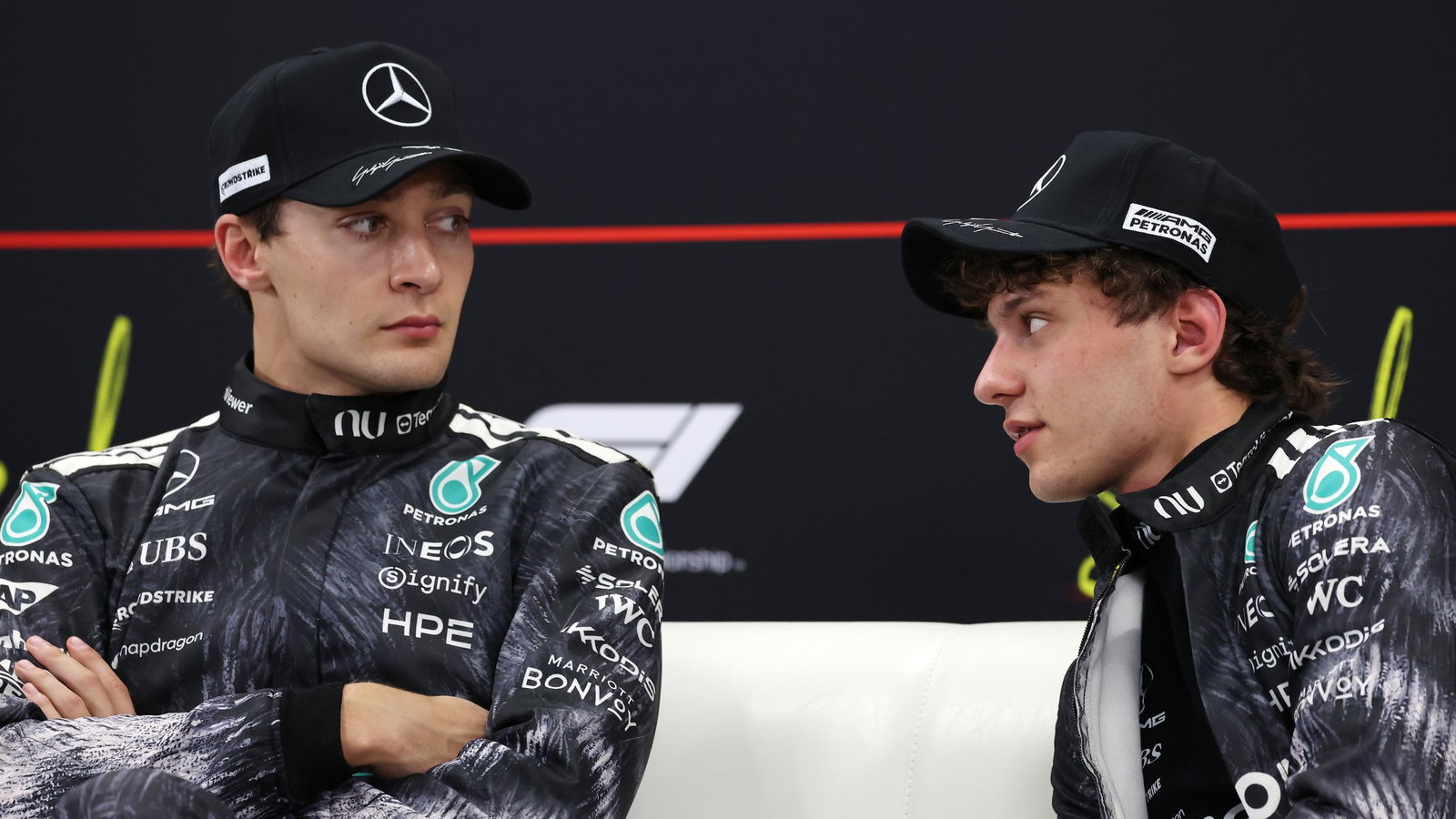
For George Russell, the analysis serves as constructive feedback rather than outright condemnation. His contributions to Mercedes remain significant, including consistent scoring and leadership in developing the car. Nevertheless, the pressure is increasing as the season unfolds and expectations rise. Adapting to race scenarios where he may need to yield position for the team’s benefit will be an important part of his ongoing development.
Mercedes now faces important internal discussions following Rosberg’s public remarks. The team has historically thrived on open dialogue, and Wolff is known for welcoming honest assessments from alumni. Addressing the strategic conservatism identified by Rosberg could prove crucial for the remainder of the 2026 campaign. With several competitive teams vying for podiums and wins, every tactical opportunity must be seized without hesitation.
Rosberg’s intervention reminds everyone that success in Formula 1 demands not only fast cars and talented drivers but also fearless leadership willing to make unpopular short-term decisions for long-term gains. His pointed critique of the excessive protection afforded to Russell highlights a perceived softness in Mercedes’ racecraft that must be rectified if the Silver Arrows hope to return to their winning ways.
As the paddock moves forward from Barcelona, all eyes will be on how Mercedes responds to this high-profile feedback. The balance between nurturing drivers and pursuing victory is delicate, yet essential. Nico Rosberg has thrown down the gauntlet, urging his old team to rediscover the ruthless edge that once defined their dominance.