In 2021, a Massachusetts judge sentenced Tyler Brown to five to six years in state prison after he pleaded guilty to opening fire on Boston police officers during a daylight shootout in the South End the year before, while he was already on probation for a prior stabbing conviction.
At the time, prosecutors had sought a significantly longer sentence of 10 to 12 years, arguing that Brown posed an ongoing risk to public safety. But Suffolk Superior Court Judge Janet Sanders rejected that recommendation, citing concerns about leaving the defendant without hope of rehabilitation and emphasizing that no one had been physically injured during the incident.
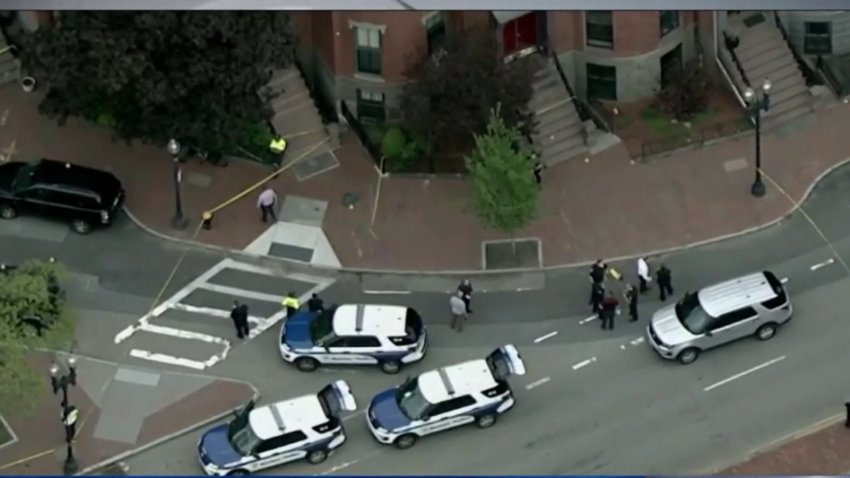
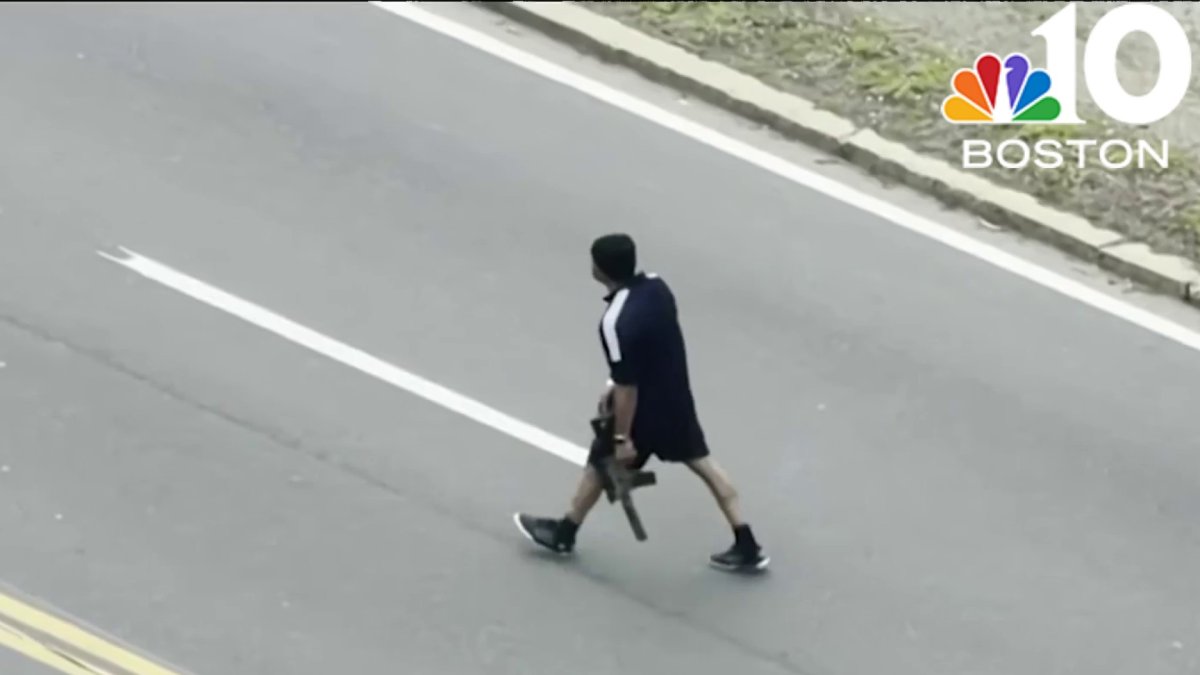
Brown’s case has now resurfaced under intense scrutiny after he was accused of launching a violent, erratic shooting spree on Memorial Drive in Cambridge on Monday, critically injuring two motorists before being wounded in a confrontation with law enforcement and a civilian Marine veteran who intervened.
In a sentencing recording obtained by NBC10 Boston, Judge Sanders acknowledged the uncertainty of her decision in 2021, telling Brown directly, “Mr. Brown, I do realize that I’m taking a chance on you.”
She went on to describe testimony from officers and probation officials who warned that Brown posed a danger to the community.
“When people stand up, experienced police officers and probation officers, and they tell me, ‘This guy is a danger to the community,’ I hear that,” Sanders said. “But I can’t look into a crystal ball and figure out what’s going to happen once you get out.”
She added that she hoped her decision would prove correct, saying, “I just pray that my intuitions are right and that you have the ability, the smarts, the will, the support not to go out there and endanger other people’s lives as you have in the past.”
Those remarks are now being revisited in the wake of the Cambridge shooting, where prosecutors say Brown fired more than 60 rounds along a busy roadway in broad daylight, striking at least two people in passing vehicles and triggering widespread panic among drivers, pedestrians, and nearby residents.
Authorities said Brown was already on probation at the time of Monday’s incident, stemming from his earlier conviction for shooting at Boston police officers in 2020 while under supervision for a prior stabbing offense.
An officer involved in that 2020 shootout gave a victim impact statement during Brown’s 2021 sentencing, warning the court that he believed Brown would eventually seriously harm someone if released too soon.
“Mr. Brown could care less if innocent people get hurt,” the officer said, according to the sentencing record. He added that Brown had already demonstrated a pattern of violence while on probation and should be considered a continuing threat to public safety.
A probation officer also testified at the time, describing Brown’s history of repeated violent conduct and expressing concern that his release would expose the public to further danger.
Despite those warnings, Judge Sanders noted in her ruling that there was a legal distinction between firing at officers and actually causing injury, emphasizing that no one had been hurt in the 2020 incident.
“There’s a difference between shooting at a police officer and shooting a police officer,” she said during sentencing. “And the reality is that no one was injured.”
Her decision to impose a shorter sentence than requested by prosecutors drew criticism even at the time, with then-Suffolk County District Attorney Rachael Rollins expressing disappointment and arguing that the penalty did not reflect the seriousness of the offense.
Now, with Brown accused of a new wave of violence in Cambridge, that earlier sentence has become a focal point in renewed debates over sentencing discretion, recidivism, and the handling of repeat violent offenders in the criminal justice system.
Current Middlesex County District Attorney Marian Ryan said the latest allegations raise “serious questions that need answers,” pointing to Brown’s long history of violent conduct and repeated interactions with the criminal justice system.
“It appears to be a rather generous and lenient sentence,” said NBC10 Boston legal analyst Michael Coyne, referring to the 2021 ruling. “Clearly he didn’t deserve that opportunity, as yesterday’s events show.”
Court records show that Brown’s latest alleged attack occurred just days after he was released from a psychiatric hospital. Authorities say he contacted his parole officer shortly before the shooting, reportedly stating that he had relapsed and was experiencing suicidal thoughts.
In a FaceTime call later reviewed by investigators, Brown allegedly displayed a firearm and made statements indicating he was in crisis. Officials also said he told his parole officer he had previously committed violent acts for which he had not been caught.
Shortly after that interaction, police began searching for Brown. Within hours, he was located in Cambridge, where authorities say he opened fire along Memorial Drive, a heavily trafficked corridor near major universities and residential areas.
Witnesses described scenes of chaos as bullets struck vehicles and shattered windshields, forcing drivers to abandon their cars and flee for cover. Some bystanders hid behind buildings and trees as the gunfire continued across the roadway.
A state trooper and an armed civilian, described as a former Marine and firearms instructor, ultimately confronted Brown. Both returned fire, striking him multiple times in the extremities and ending the shooting, officials said.
Brown survived and was taken into custody at a hospital, where he remained under guard as of Tuesday. He now faces multiple charges, including assault with intent to murder and firearm offenses.
Authorities also noted that Brown had been diagnosed with post-traumatic stress disorder, depression, and anxiety, though they said the current allegations involve criminal conduct far beyond his mental health history alone.
Sanders, who is no longer serving on the bench and now works in mediation, did not respond to requests for comment regarding her 2021 sentencing decision.
The case has also reignited broader concerns about repeat offenders cycling through the justice system despite prior violent conduct and explicit warnings from law enforcement officials during sentencing hearings.
As investigators continue to review evidence from the Cambridge shooting, prosecutors are expected to present additional charges tied to the dozens of rounds allegedly fired during the attack.
Brown remains in custody pending further court proceedings, and officials have not yet set an arraignment date due to his medical condition following the shooting.
Legal observers say the case is likely to fuel ongoing debate about how courts balance rehabilitation opportunities with public safety when sentencing individuals with histories of escalating violence.