Disturbing new details about confessed Gilgo Beach serial killer Rex Heuermann have emerged in the final episode of Peacock’s documentary series The Gilgo Beach Killer: House of Secrets, including shocking revelations shared by the accused murderer’s own therapist.
The fourth and final episode of the documentary, released on Thursday, April 23, offers a grim look inside the mind of the 62-year-old Massapequa Park architect who recently pleaded guilty to murdering eight women in a case that haunted Long Island for decades.
At the center of the explosive episode is therapist Allison Winter, who appeared on-camera with Heuermann’s permission to discuss private conversations the two allegedly had during therapy sessions after his arrest.

Winter’s account painted a horrifying portrait of a man she described as meticulous, obsessive, and deeply detached from the humanity of his victims.
According to Winter, Heuermann described his killings in chilling detail, explaining how his crimes evolved over time from what she characterized as an impulsive first murder into a highly organized ritual that spanned several days.
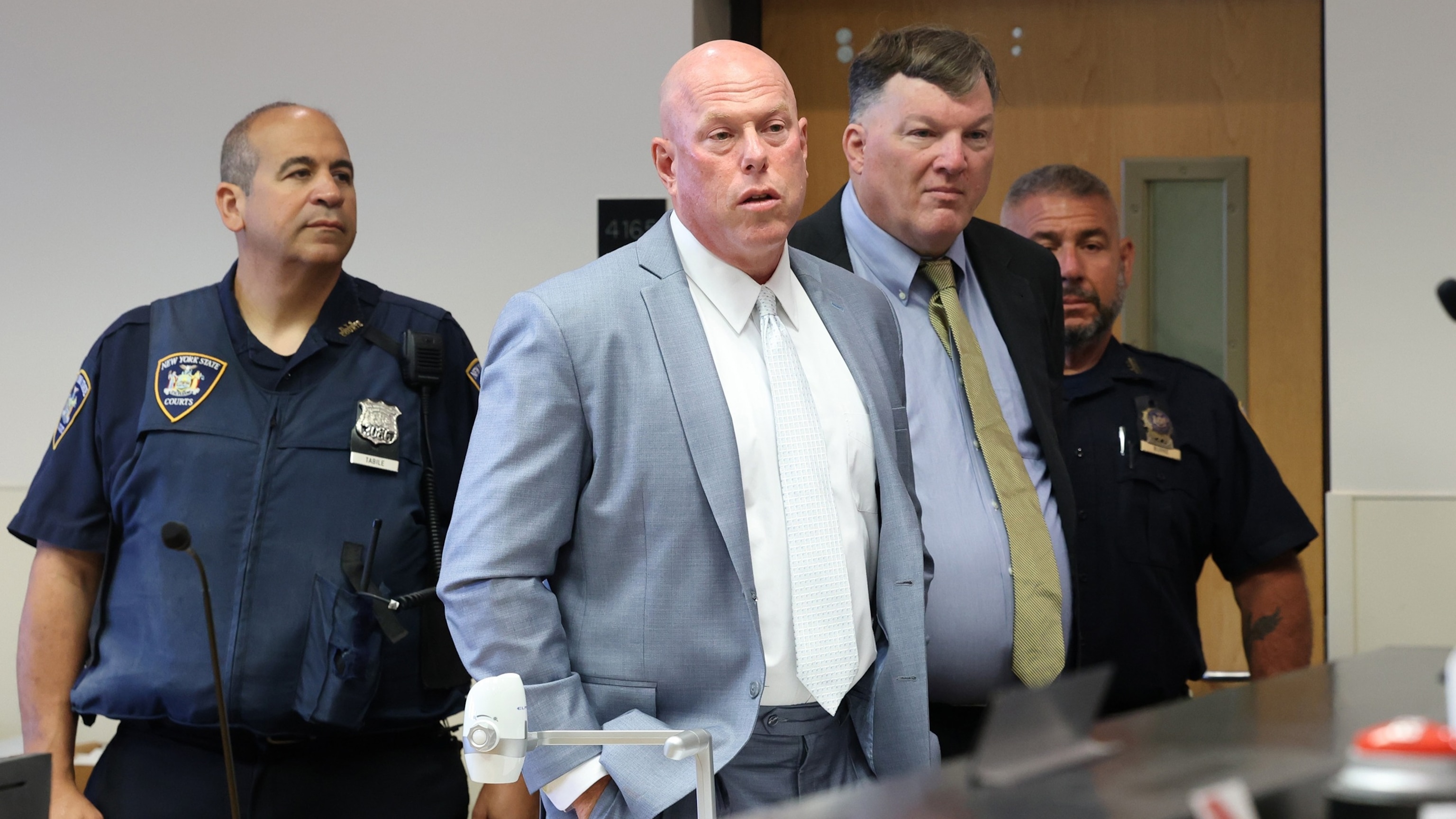
Heuermann pleaded guilty on April 8 during a dramatic court appearance in Riverhead, admitting responsibility for the murders of eight women whose remains were discovered in connection to the infamous Gilgo Beach investigation.
For years, the Gilgo Beach murders terrified residents across Long Island and became one of the nation’s most notorious unsolved serial killer cases.
Authorities first uncovered human remains along Ocean Parkway near Gilgo Beach in December 2010 while searching for another missing woman. The discoveries eventually expanded into a massive investigation involving multiple victims whose disappearances stretched back nearly two decades.
Heuermann first became publicly linked to the case after his shocking arrest on July 13, 2023, outside his Manhattan architecture office.
The following day, Suffolk County District Attorney Ray Tierney announced charges connecting Heuermann to the murders of Amber Lynn Costello, Melissa Barthelemy, and Megan Waterman — three of the four women commonly referred to as the “Gilgo Four.”
Investigators later added charges involving Maureen Brainard-Barnes in January 2024 before expanding the case again in June 2024 to include the murders of Jessica Taylor and Sandra Costilla.
By the end of 2024, prosecutors had also charged Heuermann with the murder of Valerie Mack, bringing the total number of alleged victims to seven before he later admitted responsibility for Karen Vergata’s death during his plea hearing.
According to Winter, the murder of Sandra Costilla in 1993 was different from the killings that followed.
She claimed Heuermann described the first killing as spontaneous and carried out inside his vehicle.
But after that, she said, the murders became increasingly methodical.
“He learned from the first one,” Winter explained during the documentary. “The next murders were carefully planned.”
Winter alleged that Heuermann transformed the basement of his Massapequa Park home into what investigators have since described as a “kill room,” where many of the murders allegedly took place while his wife and children were away from home.
According to the therapist, Heuermann developed a chilling four-day cycle surrounding the killings.
The first day involved preparation.
Winter said Heuermann would clean and organize the basement, gather supplies, and mentally prepare himself before bringing a victim to the house.
The second day centered around the victim herself.
According to Winter, Heuermann would first meet the women through escort advertisements and initially behave kindly toward them. But during a second encounter, he would allegedly lure them into the basement where the murders occurred.
After killing the women, Winter said Heuermann engaged in what he chillingly referred to as “play time,” a term used to describe post-mortem mutilation and other disturbing acts committed after death.
“It became an obsession,” Winter said. “There was enjoyment involved for him.”
The third day of the cycle involved disposing of the bodies and eliminating evidence.
According to the documentary, Heuermann would transport remains to isolated areas around Gilgo Beach and Ocean Parkway, locations he believed would reduce the risk of detection.
Winter claimed Heuermann became increasingly obsessed with efficiency and precision, even timing how long it took him to move bodies from his vehicle to dumping sites.
The documentary alleged that he managed to reduce the time dramatically over the years as he refined his routine.
The fourth day, according to Winter, served as a “buffer” day in case anything went wrong or additional cleanup was necessary.
The revelations stunned viewers and added a disturbing new layer to a case that already horrified the public.
Winter also claimed Heuermann stopped killing after the remains of four victims were discovered near Gilgo Beach in 2010.
“I think he was very concerned about getting caught,” she said.
The documentary further explored the devastating impact the case has had on Heuermann’s family, particularly his ex-wife, Asa Ellerup, and daughter, Victoria.
In one of the documentary’s most shocking moments, Ellerup revealed that she still lives inside the Massapequa Park home where investigators believe several murders took place.
Even more startling was her admission that she now sleeps in the renovated basement room where victims were allegedly murdered and dismembered.
The basement has reportedly been completely remodeled since Heuermann’s arrest, with new flooring, walls, decorations, and furniture replacing what prosecutors described as a gruesome crime scene.
Ellerup explained that remaining in the room is part of her attempt to process the trauma and emotionally confront what happened inside the house.
“The brutal truth is that women were murdered in this room,” Ellerup said during the documentary. “I’m trying, spiritually, in my own way, to apologize.”
She added that she continues to experience nightmares and emotional torment every night.
“It will never leave me,” she admitted.
The documentary also featured interviews with the couple’s daughter, Victoria Heuermann, who described painful conversations she allegedly had with her father after his arrest.
According to Victoria, Rex Heuermann admitted that his “demons” had overtaken him.
She claimed he viewed his victims as less than human during the killings.
“He said they weren’t people to him,” Victoria recalled.
The documentary additionally revealed that one victim may have been killed in the family’s bedroom rather than the basement, further intensifying the horror surrounding the home.
Law enforcement officials interviewed in the series described Heuermann as a man capable of hiding a double life for decades.
Former FBI profiler John Douglas, whose work inspired the book Mindhunter, also appeared in the documentary and discussed the psychology of serial offenders like Heuermann.
Douglas described the accused killer as someone who compartmentalized his violent urges while maintaining the appearance of a functioning suburban professional.
“That’s what makes predators like this so dangerous,” Douglas explained. “They hide in plain sight.”
Heuermann’s guilty plea marked a stunning turning point in the case after years of denials.
During his plea allocution, prosecutors said Heuermann calmly admitted to strangling his victims and wrapping many of their bodies in burlap before abandoning them near Gilgo Beach.
Court documents also alleged that Heuermann used burner phones, researched law enforcement investigations online, and kept extensive notes related to his crimes.
Suffolk County District Attorney Ray Tierney previously described the architect as “a demon that walks among us.”
Heuermann is expected to spend the rest of his life behind bars.
But despite the guilty plea, the emotional damage caused by the murders continues to devastate victims’ families and those connected to the case.
For many viewers, the Peacock documentary offered not only disturbing insight into the crimes themselves, but also into the long-lasting trauma inflicted on everyone surrounding the killer.
The final episode of The Gilgo Beach Killer: House of Secrets has sparked widespread reaction online, with many viewers expressing horror at Winter’s revelations and disbelief at how Heuermann allegedly managed to conceal his crimes for so many years.
As the Gilgo Beach case enters its next chapter following Heuermann’s confession, the documentary has reignited painful memories of one of the darkest criminal investigations in Long Island history — and raised haunting new questions about the man behind the murders.




