Tyler Brown, the man accused of carrying out a terrifying shooting spree along Memorial Drive in Cambridge, Massachusetts, will remain behind bars after a judge ruled Thursday that he poses too great a danger to the public while awaiting trial. The decision came after prosecutors laid out disturbing details of the alleged attack, including evidence that Brown fired dozens of rounds at passing vehicles and wounded two people before being stopped by law enforcement.
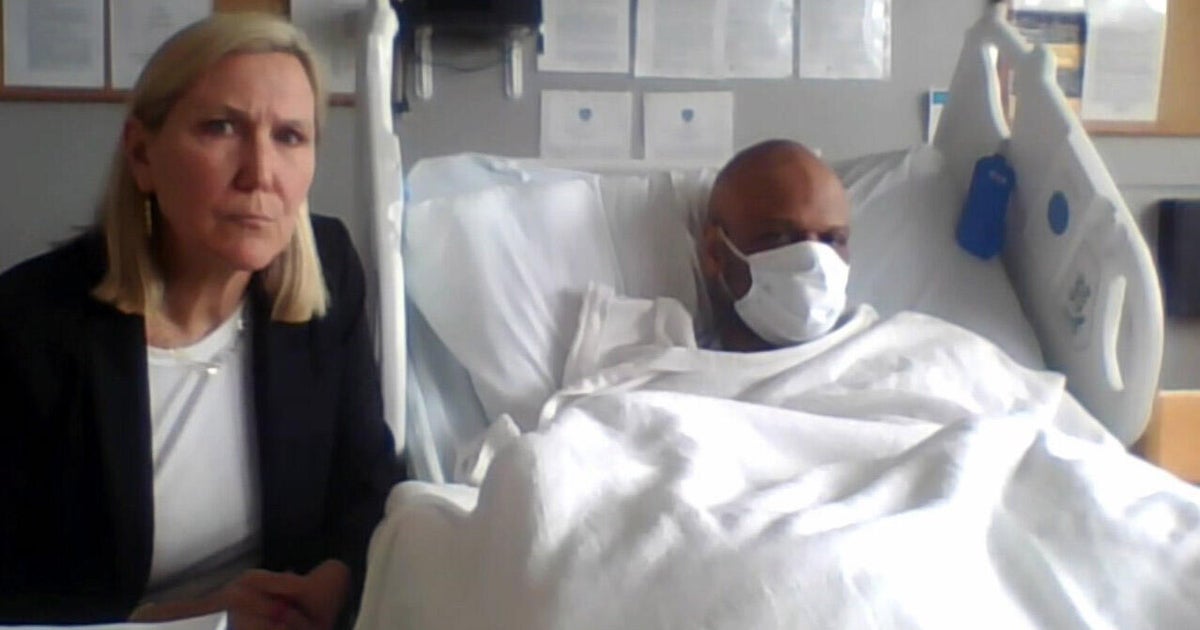
Brown appeared remotely during the dangerousness hearing in Cambridge District Court from a hospital bed, still recovering from injuries he sustained during the May 11 confrontation that brought the violence to an end. Authorities said Brown was shot by a Massachusetts State Police trooper and Marine veteran after investigators say he opened fire on motorists in what prosecutors described as a chaotic and potentially catastrophic attack.

The defendant, who wore a face mask during the hearing, has pleaded not guilty to eight criminal charges, including armed assault with intent to murder. Prosecutors argued that the severity of the allegations, combined with Brown’s prior criminal history, justified keeping him in custody without bail.
According to investigators, the shooting unfolded along Memorial Drive, a heavily traveled roadway that runs near the Charles River and connects portions of Cambridge and Boston. Authorities allege Brown used a semi-automatic rifle and fired as many as 60 rounds at passing vehicles.
The gunfire created panic among drivers and pedestrians caught in the area. Witnesses described people scrambling for safety as shots rang out across the roadway.
Two victims suffered serious injuries during the alleged attack.
During Thursday’s hearing, prosecutor Nicole Allain detailed one particularly alarming moment involving a man who was driving away from the scene.
“As he is driving away from the defendant, a bullet goes through the back of his van and hits him in the back of his head,” Allain told the court.
The victim survived but sustained serious injuries, according to prosecutors.
Authorities have not publicly released extensive details about the conditions of both injured victims, but investigators emphasized that the consequences could have been even more devastating given the volume of gunfire allegedly fired into public areas.
Prosecutors presented video evidence during the hearing that they argued captured key moments of the shooting.
Footage recorded by a bystander appeared to show Brown walking in the street while holding a firearm as rapid bursts of gunfire echoed nearby.

Moments later, the video allegedly showed Brown collapsing to the ground and throwing his weapon away after law enforcement intervened.
Investigators say that intervention likely prevented further bloodshed.
The incident ultimately ended when a Massachusetts State Police trooper confronted Brown. Officials previously said the trooper involved was also a Marine veteran.
Brown has remained hospitalized since suffering gunshot injuries during that confrontation.
Authorities have not publicly disclosed the precise nature of Brown’s injuries, but prosecutors said he remains under medical supervision while criminal proceedings move forward.
Beyond the allegations tied to Memorial Drive, prosecutors devoted substantial attention during Thursday’s hearing to Brown’s criminal history.
According to court proceedings, Brown previously pleaded guilty in connection with a 2020 incident involving Boston police officers.

Prosecutors argued the earlier case carried troubling similarities to the current allegations.
“Allegations were very similar where Mr. Brown fired at police officers,” prosecutor Allain said.
The prosecution argued that pattern demonstrated an ongoing danger to public safety.
Dangerousness hearings are designed to determine whether defendants should remain detained before trial when prosecutors believe release would create significant risks.
In Brown’s case, prosecutors argued those concerns were undeniable.
Defense attorney Carolyn McGowan did not challenge the prosecution’s request to keep Brown in custody.
“While we fully anticipate setting forth at trial a robust and complete defense, we are at this time not contesting the motion,” McGowan told the court.
“We will be conducting our own very extensive investigation. There are miles to go in this case.”
Her comments suggested the defense plans to closely examine both the facts surrounding the Memorial Drive shooting and the evidence prosecutors intend to present.
No timeline has been announced regarding when Brown could stand trial.
Investigators continue reviewing physical evidence, surveillance footage, witness statements, and ballistic findings connected to the case.
Law enforcement officials have not publicly discussed what may have motivated the alleged shooting spree.
Authorities also have not indicated whether Brown knew either of the victims.
For residents and commuters who witnessed the violence firsthand, the shooting shattered a sense of safety along one of Greater Boston’s major thoroughfares.
Memorial Drive is frequently crowded with drivers, runners, cyclists, and pedestrians enjoying access to the Charles River waterfront.
The randomness alleged by prosecutors heightened concerns.
Investigators say drivers simply passing through the area suddenly found themselves under gunfire.
Witnesses described confusion and terror as shots echoed through the corridor.
Some drivers accelerated to escape danger.
Others ducked inside vehicles or sought cover nearby.
Authorities credited the rapid law enforcement response with ending the violence before more people could be harmed.
The role of the state trooper who confronted Brown has drawn particular attention following the hearing.
Officials previously noted the trooper’s military background but have released limited operational details surrounding the confrontation itself.
Investigators continue reviewing use-of-force protocols as part of standard post-shooting procedures.
Those reviews occur routinely whenever officers discharge weapons during critical incidents.
Meanwhile, prosecutors stressed Thursday that public safety remains their highest concern.
The judge ultimately agreed.
Brown will remain in custody while the criminal case proceeds through Massachusetts courts.
If convicted on the most serious charges, Brown could face decades in prison.
The armed assault with intent to murder charge alone carries substantial penalties under Massachusetts law.
Additional charges filed against Brown have not yet been fully detailed in public court filings, though prosecutors confirmed he faces eight separate counts overall.
Legal experts note dangerousness rulings often signal how seriously courts view allegations involving large-scale public violence.
Judges evaluating detention requests weigh factors including criminal history, severity of allegations, prior conduct, and risks posed to the community.
Prosecutors argued all those factors favored detention.
The defense, while not opposing detention at this stage, emphasized that Brown remains presumed innocent unless convicted.
That legal standard will remain central as proceedings continue.
For now, however, authorities say the focus remains on recovery for the victims and accountability through the judicial system.
The case has also renewed conversations about gun violence, public safety, and repeat offenders within Massachusetts.
Investigators continue piecing together every moment leading up to the May 11 shooting.
Court hearings in the months ahead are expected to reveal additional details surrounding what prosecutors have described as a deeply disturbing act of violence that turned an ordinary afternoon drive into chaos and left an entire community shaken.




