The father of slain Texas teenager Austin Metcalf says he has never received an apology, expression of remorse or any direct communication from the family of Karmelo Anthony, the teenager convicted of murdering his son during a high school track meet confrontation that captured national attention.
Speaking in a recent television interview, Jeff Metcalf reflected on the aftermath of the tragedy that forever altered his family’s life and sparked fierce public debate across the country. While acknowledging that Anthony’s conviction brought a measure of legal closure, he said one thing remains painfully absent: accountability from the family of the young man who stabbed his son to death.
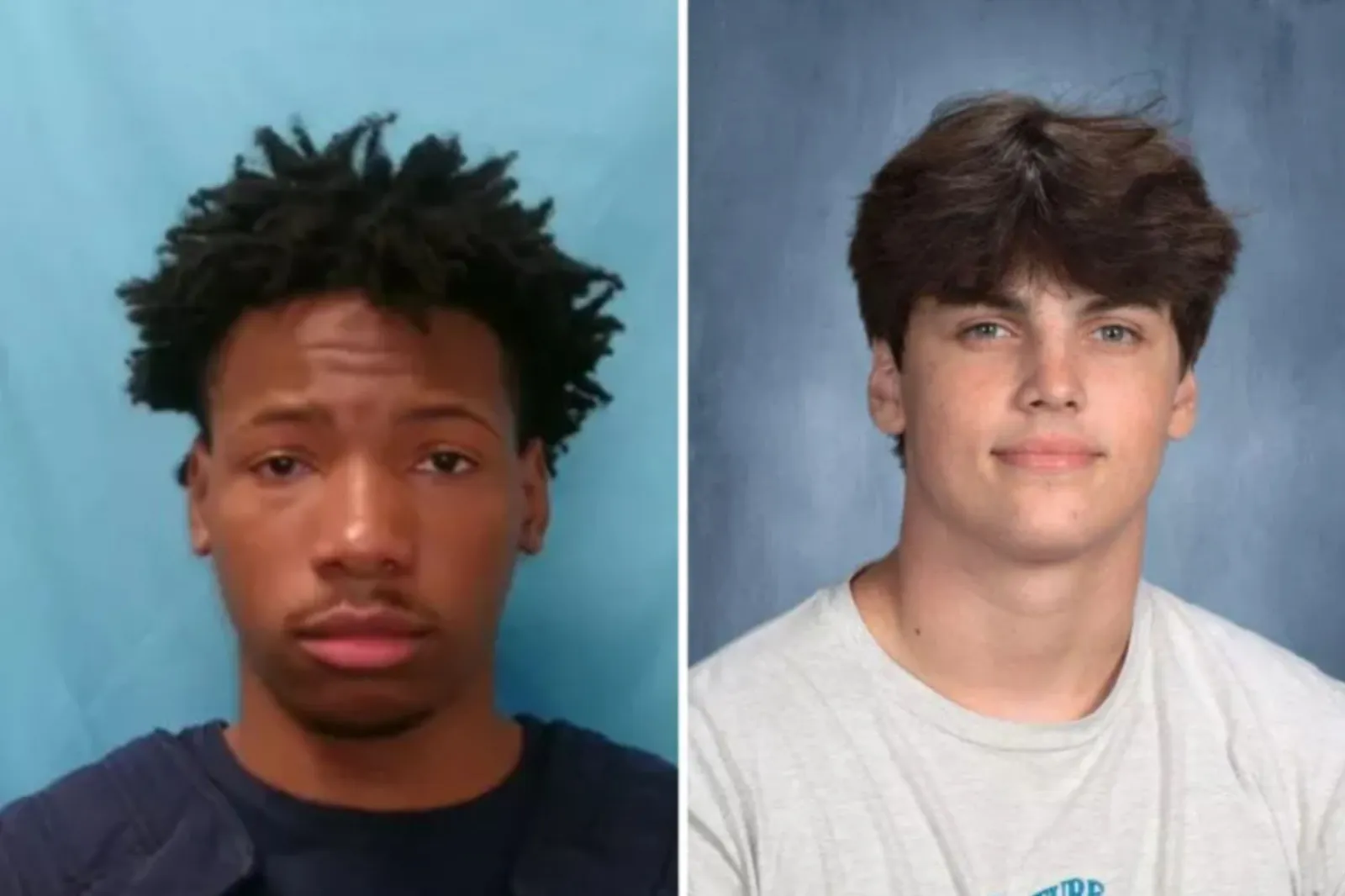
Anthony, now 19, was convicted of murder earlier this month and sentenced to 35 years in prison for the fatal stabbing of Austin Metcalf during a track meet in Frisco, Texas, in April 2025. Both teenagers were 17 years old at the time.
The case quickly became one of the most widely discussed criminal trials involving teenagers in recent years, drawing attention not only because of the fatal encounter itself but also because race became a prominent topic in public conversations surrounding the case.
Anthony is Black, while Metcalf was White. The racial dynamics of the case generated significant discussion online, particularly after some activists and commentators argued that the outcome may have been different if the races of those involved had been reversed.
Jeff Metcalf has repeatedly pushed back against that narrative.
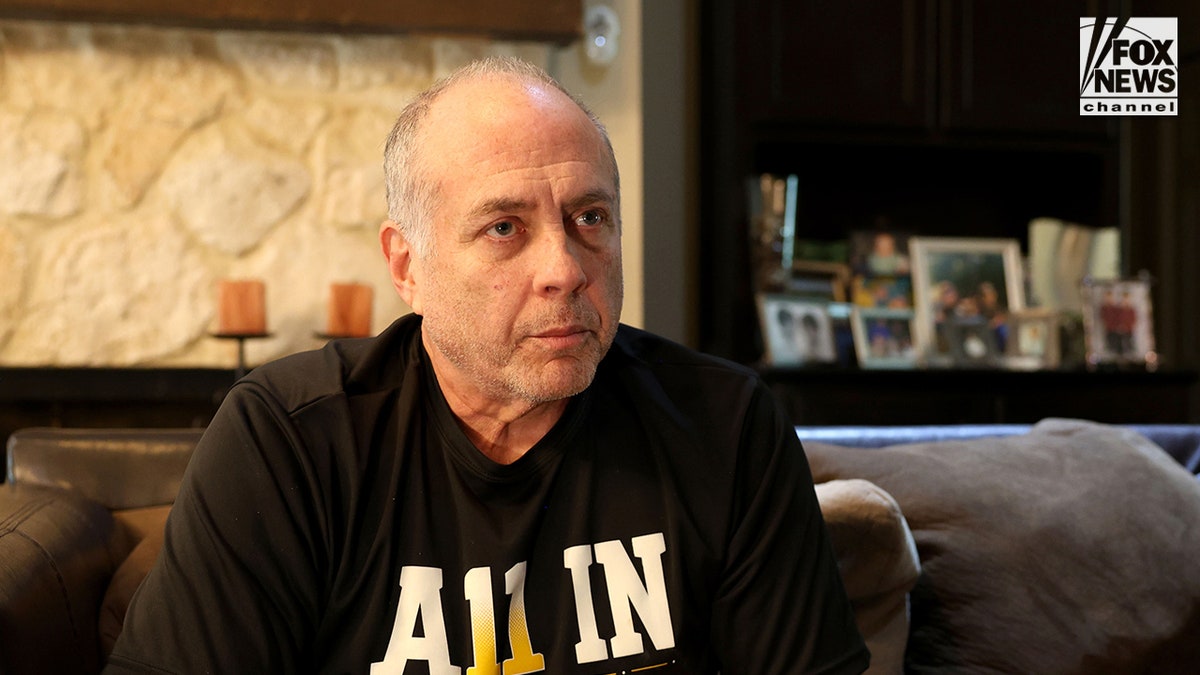
During an appearance on Fox News’ “The Will Cain Show,” he said one of his earliest requests after his son’s death was for people not to turn the tragedy into a political or racial issue.
“The two things I said on one of the first interviews I ever did was, ‘Please don’t make this about race, please don’t politicize it,’” Metcalf said.
“But they chose to do both.”
The grieving father expressed frustration that discussions about race often overshadowed what he believes should remain the central issue: the loss of a teenager’s life.
According to Metcalf, many people formed strong opinions about the case before hearing the evidence presented during trial.
“People had their own opinions without even seeing the facts, and that’s the part I have trouble with,” he said.
Throughout the interview, Metcalf emphasized that his focus has always been on Austin rather than political debates or public controversies.
Austin Metcalf was a student-athlete at Memorial High School and was remembered by family members as a young man with a bright future. During sentencing proceedings, his mother described him as a peacemaker and protector who positively impacted everyone around him.
His death occurred during what should have been a routine school sporting event.
According to testimony presented at trial, Anthony was sitting beneath a tent designated for another school’s athletes during a weather delay at a track meet in Frisco.
Witnesses told investigators that several students asked Anthony to move. Prosecutors said tensions escalated when Austin approached him and attempted to get him to leave the area.
Court records showed that Anthony allegedly warned others not to touch him and kept a hand inside his backpack during the confrontation.
When Austin physically confronted him, Anthony pulled a folding knife from his bag and stabbed him once in the chest.
The blade pierced Austin’s heart.
Despite desperate efforts by emergency responders and medical personnel, the teenager died from his injuries.
Anthony immediately surrendered to police and told officers that he had acted in self-defense.
According to investigators, he repeatedly stated that he was protecting himself and asked whether Austin would survive.
His defense team later argued that Anthony feared for his safety and reacted during a tense confrontation.
Prosecutors disagreed, contending that the level of force used was not justified under Texas law.
After hearing weeks of testimony, jurors rejected Anthony’s self-defense claim and found him guilty of murder.
The verdict was met with sharply divided reactions.
Supporters of Anthony argued that racial factors influenced public perception of the case and pointed to the fact that no Black jurors served on the panel that convicted him.
Among those who questioned aspects of the trial was Texas Representative Jasmine Crockett, who suggested the outcome may have been different under other circumstances.
Others, including television personalities and legal commentators, raised concerns about whether Anthony had received what they considered a jury of his peers.
Metcalf has been openly critical of those arguments.
He specifically addressed public figures who questioned the verdict despite not being directly involved in the proceedings.
“They’re looking for their 15 minutes of fame, or their clickbait or their clicks,” he said. “They’re just looking to monetize the death of my son.”
He also criticized commentators who offered opinions without thoroughly reviewing the evidence presented during trial.
“I really wish they wouldn’t speak about it at all,” he said. “If that woman said that, she has no idea about the facts of the case.”
Perhaps the most emotional portion of the interview came when Metcalf discussed his interactions—or lack thereof—with Anthony’s family.
Asked whether he had ever spoken with them, Metcalf gave a simple answer.
“No.”
When asked if he had received any apology or expression of remorse, his response was equally brief.
“Nothing.”
The father said he had hoped for some acknowledgment of the tragedy from Anthony’s relatives.
Rather than seeking conflict, he said he wanted a conversation rooted in honesty and accountability.
“I was actually hoping to show them, I know what happened was terrible. And your son made a horrible mistake,” Metcalf said.
“I was hoping for some accountability maybe and some remorse. Neither one was shown.”
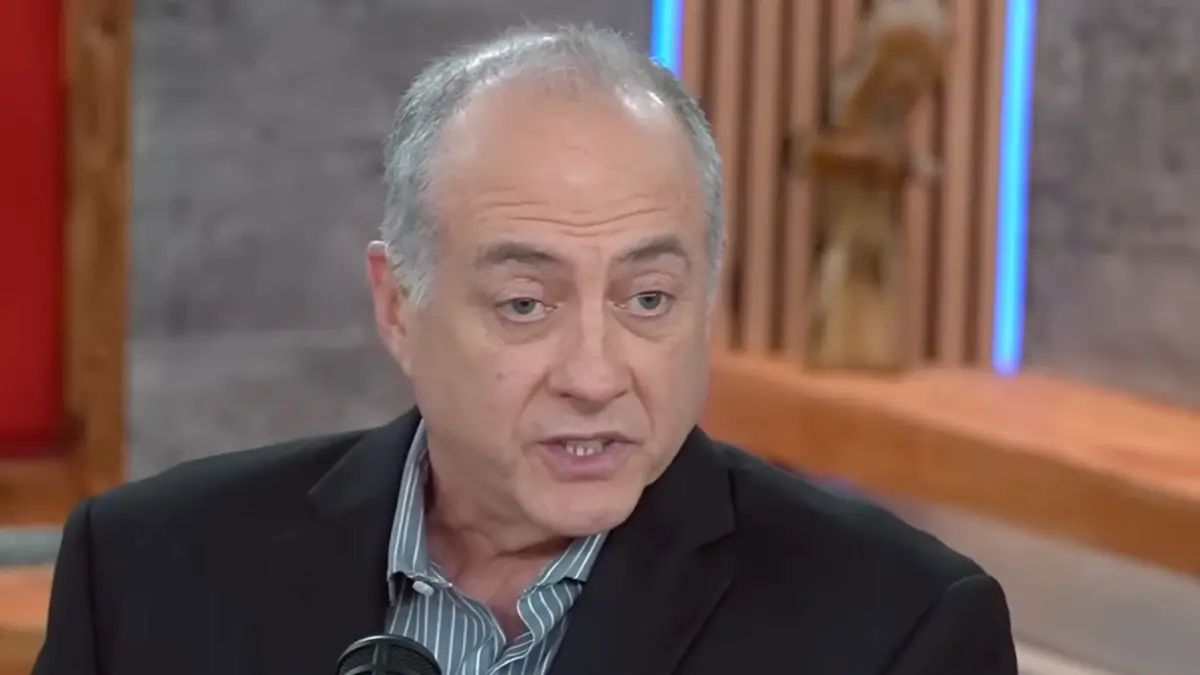
Metcalf also claimed that members of Anthony’s family were not present during victim impact statements and sentencing proceedings following the verdict.
“They weren’t there for the sentencing and they were not there for victim impact statements,” he said.
“They left that poor child up there by himself.”
The comments reflected the ongoing emotional divide that remains between the two families more than a year after the deadly confrontation.
Meanwhile, Anthony’s legal battle is far from over.
This week, a coalition supporting Anthony announced that a team of prominent attorneys will represent him during the appeals process.
The legal team includes experienced appellate, criminal defense and civil rights lawyers who say they intend to conduct an independent review of the trial record.
In a statement, the attorneys emphasized that their role is not to relitigate public opinion but to determine whether legal errors occurred during the proceedings.
“Our appellate team has been retained following the conviction to conduct a fresh, independent review of the trial record,” the statement said.
“We recognize the profound loss suffered by one young man’s family and the uncertainty facing another, and we extend our respect to everyone whose lives have been forever changed by these events.”
The lawyers added that they plan to pursue any appeal issues supported by the record.

“The appellate process exists for precisely this purpose,” they said.
The announcement came shortly after evidence from the trial—including surveillance footage, photographs and investigative materials—was released publicly for the first time.
Because cameras were not permitted inside the courtroom, the newly released materials provided the public with its first detailed look at many pieces of evidence that jurors reviewed before reaching their decision.
For Jeff Metcalf, however, appeals, public debates and political arguments cannot change the reality his family faces every day.
His son is gone.
While the legal process continues, he remains focused on preserving Austin’s memory and challenging narratives he believes distract from the facts of the case.
More than a year after the fatal stabbing, the wounds remain fresh. And despite the conviction, Metcalf says one thing he hoped for never arrived: a simple acknowledgment of loss from the family on the other side of a tragedy that changed two lives forever.