Lewis Hamilton Felt Like a Hero at Mercedes But Struggles to Find Same Status at Ferrari
Lewis Hamilton’s transition from Mercedes to Ferrari has been one of the most closely watched storylines in Formula 1 over the past two seasons. The seven-time world champion, who enjoyed unparalleled success and adoration during his 11 years with the German team, has found the environment at Maranello markedly different. According to Aldo Costa, a former Mercedes car designer who worked closely with Hamilton between 2013 and 2019, the British driver thrived on the sense of being the undisputed leader and hero within the team. At Mercedes, Hamilton was central to every major decision, with the car designed around his feedback and the entire organisation oriented toward supporting his championship campaigns. This environment fostered a deep sense of belonging and motivation that fuelled his record-breaking achievements, including 84 race wins and six world titles. However, at Ferrari, where Charles Leclerc has spent nearly a decade rising through the ranks from the academy to team leader, Hamilton has not received the same level of reverence or centrality. This shift in status has reportedly affected his drive and performance, highlighting the psychological challenges that even the most accomplished drivers face when changing teams late in their careers.

The Contrast Between Mercedes Loyalty and Ferrari Dynamics
During his long tenure at Mercedes, Lewis Hamilton was more than just the lead driver — he was the focal point of the team’s identity and strategy. Aldo Costa has described how Hamilton relished the responsibility of being the “hero” who delivered results, with the car tailored to his preferences and the staff fully aligned behind him. This dynamic created an almost symbiotic relationship where Hamilton’s input shaped development, and the team’s success revolved around his performances. In contrast, Ferrari’s structure has long been built around Charles Leclerc, whose deep roots within the organisation and long-term commitment have earned him a special bond with engineers, mechanics, and management. While Hamilton arrived as a seven-time champion with massive global appeal, he entered an environment where Leclerc was already the established face of the team. This difference in perceived status has been subtle but significant, according to Costa, who believes it has contributed to Hamilton feeling less central and motivated. The result has been a more challenging adaptation period than many expected, with Hamilton struggling to replicate the seamless integration he experienced at Mercedes.
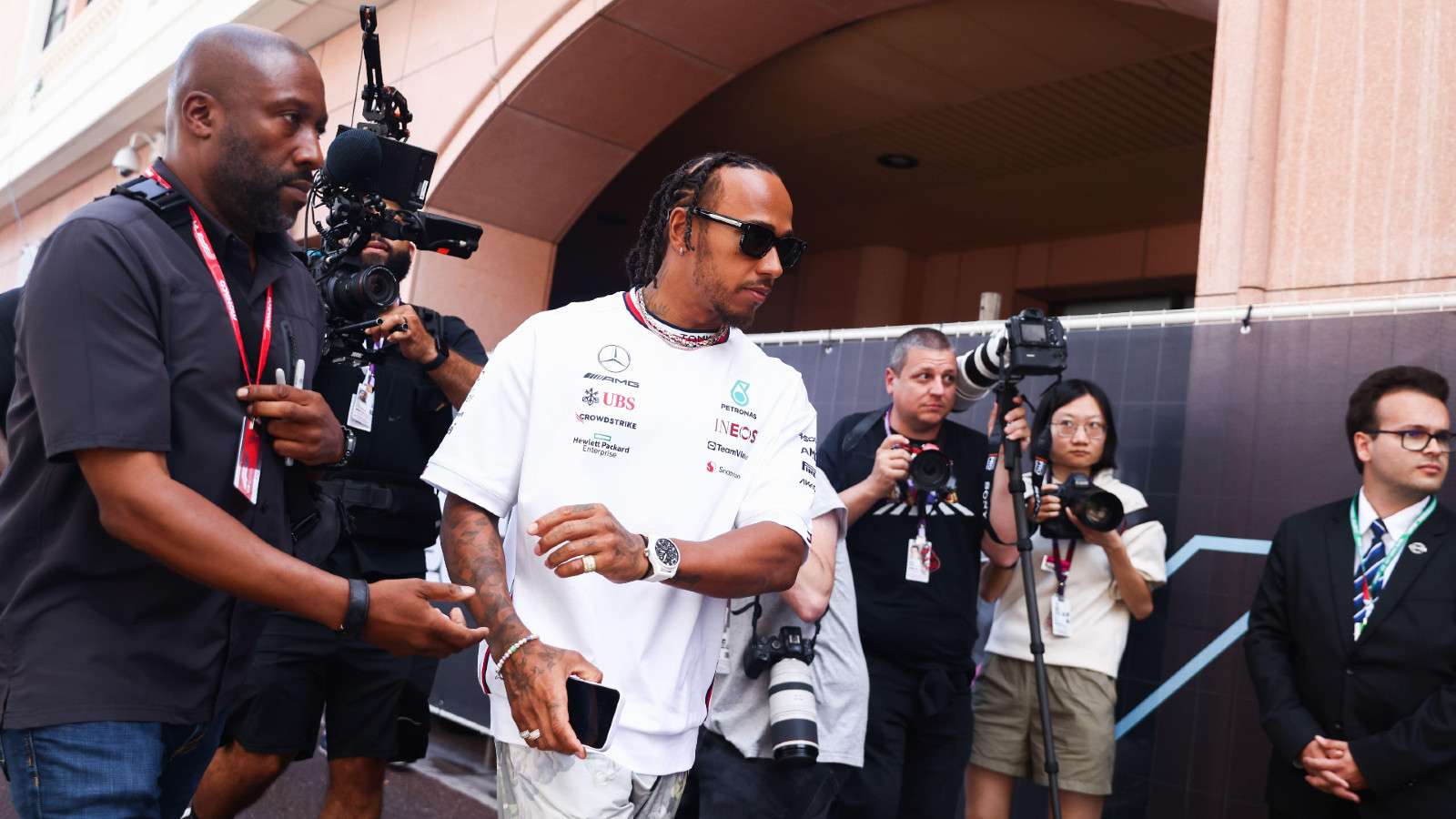
Hamilton’s Motivation and Potential Performance Impact
Aldo Costa has suggested that the lack of the same “hero” treatment at Ferrari may have cost Hamilton as much as a tenth of a second per lap due to reduced motivation. He explained that drivers, like all human beings, perform at their best when they feel completely invested and valued in their role. At Mercedes, Hamilton’s position as the clear leader provided that psychological edge, allowing him to push boundaries and extract maximum performance from the car. At Ferrari, the more balanced dynamic between him and Leclerc, combined with the team’s historical loyalty to the Monegasque driver, has created a different atmosphere. Costa noted that when motivation is not at its peak, even small deficits can appear in lap times. Hamilton’s first season at Ferrari was indeed disappointing by his standards, with only one podium in 28 races and no victories since joining. This has led to introspection within the team about how best to harness his experience and talent. While Costa’s comments are speculative, they align with observations from paddock insiders who have noted Hamilton’s more measured approach and occasional frustration with the car’s behaviour compared to his Mercedes days.
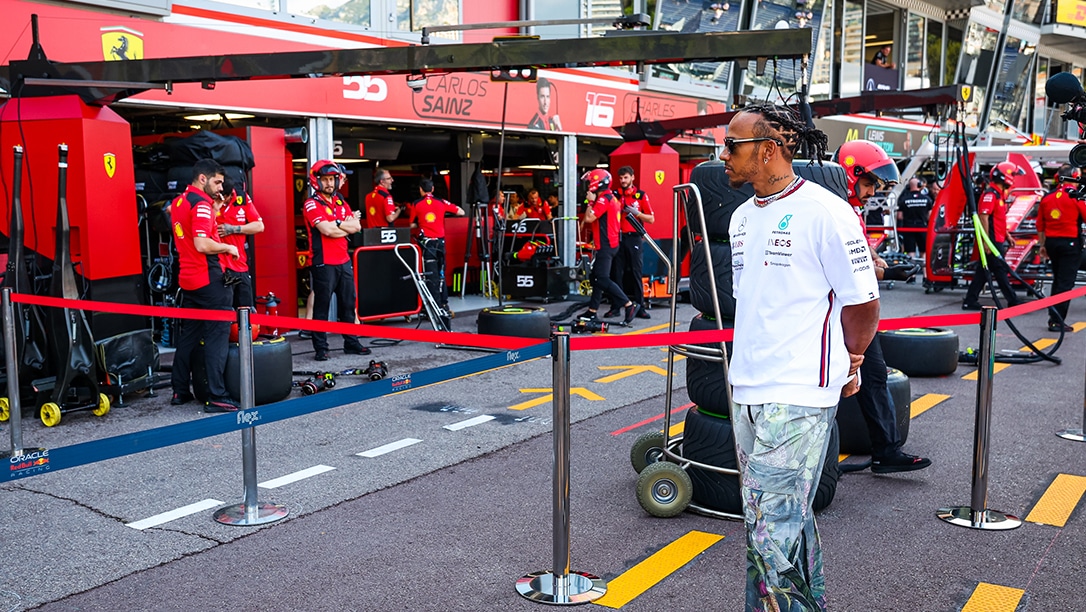
Fred Vasseur’s Efforts to Make Hamilton Feel Valued
Ferrari team principal Fred Vasseur, who has known Hamilton since his junior racing days, has been proactive in addressing these concerns. Vasseur played a key role in bringing Hamilton to Ferrari and has worked to ensure the driver feels integral to the team’s future. One significant step has been involving Hamilton more deeply in the development of the 2026 car, contrasting with his limited input on the SF-25. Vasseur acknowledged that Hamilton struggled last year partly because he had not been part of the car’s development process, something that had become standard at Mercedes. By prioritising Hamilton’s feedback and giving him a stronger voice in technical decisions, Vasseur aims to rebuild that sense of ownership and leadership that was so effective at his previous team. This approach has shown early signs of improvement in 2026, with Ferrari displaying more consistent performances and Hamilton appearing more engaged. Vasseur’s leadership has been crucial in bridging the gap between Hamilton’s expectations and Ferrari’s traditional culture, fostering an environment where both drivers can contribute without one overshadowing the other.
Current Challenges and Signs of Progress at Ferrari
The 2026 season has presented Ferrari with a mix of promise and frustration. While the team has shown flashes of competitiveness, they have often fallen short of challenging McLaren and Red Bull consistently. Hamilton’s comments after the Miami Grand Prix highlighted his belief that rivals had gained more from their upgrades, particularly in front wing design. He noted that Ferrari had worked hard on their package but still trailed in overall performance. Despite these difficulties, there are encouraging signs that the team is moving in the right direction. Hamilton’s involvement in development has increased, and the partnership with Vasseur continues to evolve positively. For Hamilton, adapting to Ferrari’s working methods while maintaining his high standards has been a learning process. The British driver’s experience and leadership qualities remain valuable assets, and if Ferrari can refine their technical approach based on his input, they could yet mount a stronger challenge in the second half of the season. The dynamic between Hamilton and Leclerc also appears to be maturing, with both drivers focusing on collective progress rather than internal rivalry.

The Psychological Side of Switching Teams Late in a Career
Lewis Hamilton’s situation at Ferrari illustrates the psychological complexities of joining a new team late in a decorated career. At Mercedes, he enjoyed a decade of dominance where the team culture revolved around him. Moving to Ferrari required adapting to a different philosophy, where history and institutional loyalty play a larger role. Aldo Costa’s insights suggest that this adjustment has been more challenging than purely technical factors. Drivers at Hamilton’s level are accustomed to being the focal point, and any perceived reduction in that status can affect confidence and motivation. However, Hamilton has shown throughout his career an ability to adapt and overcome obstacles. His willingness to speak openly about areas for improvement demonstrates commitment rather than dissatisfaction. As the season progresses, the key will be whether Ferrari can create an environment where Hamilton feels as central and valued as he did at Mercedes, allowing him to deliver the performances that have defined his legacy.

Looking Ahead to Hamilton’s Future at Ferrari
As Ferrari continues its development work and Hamilton settles further into his role, the coming races will be crucial in determining the success of their partnership. The British driver’s vast experience remains a significant advantage, particularly in guiding the team through technical challenges and race strategy. If Vasseur’s efforts to involve him more deeply in development bear fruit, Hamilton could yet achieve strong results in 2026 and beyond. While an eighth world title may be a stretch given the current competitive landscape, Hamilton’s presence continues to elevate Ferrari’s profile and motivation. His journey at the Italian team is still in its early stages, and with mutual commitment from both sides, there is potential for a successful collaboration that honours his ambition and Ferrari’s heritage. For now, the focus remains on incremental progress and building a stronger foundation for future seasons.
The Broader Significance of Hamilton’s Adaptation
Lewis Hamilton’s experience at Ferrari reflects broader themes in Formula 1 regarding team culture, driver integration, and the importance of psychological factors in performance. Even the greatest drivers can face adjustment periods when changing environments, especially after long and successful stints elsewhere. Hamilton’s case also highlights how team dynamics and historical loyalties can influence a driver’s sense of belonging. As one of the most successful and visible figures in the sport, his challenges and successes are watched closely, offering lessons for other drivers and teams navigating similar transitions. Ultimately, Hamilton’s story at Ferrari is still being written, with the potential for both individual achievements and collective success if the partnership continues to strengthen. His resilience and professionalism throughout this period have only added to his reputation as one of Formula 1’s most enduring and respected competitors.




