Helmut Marko’s Final Decision at Red Bull Leaves Yuki Tsunoda Eyeing IndyCar Future
Yuki Tsunoda’s prospects of returning to the Formula 1 grid in 2027 appear to be diminishing rapidly, prompting the Japanese driver to explore opportunities in IndyCar. Talks with Meyer Shank Racing emerged on Monday, signalling that Tsunoda is actively considering a fresh start in another major racing series after his five-year spell in Formula 1 ended last December. Since then he has fulfilled a reserve role with Red Bull, but the pathway back to a full-time seat has narrowed considerably.
While drivers such as Alex Albon and Sergio Perez have previously managed to resurrect their Formula 1 careers after being dropped by Red Bull, the current market dynamics are working against Tsunoda. Seats are scarce, and competing candidates with stronger institutional backing or more recent mileage have moved ahead of him in the queue for the limited opportunities that remain.
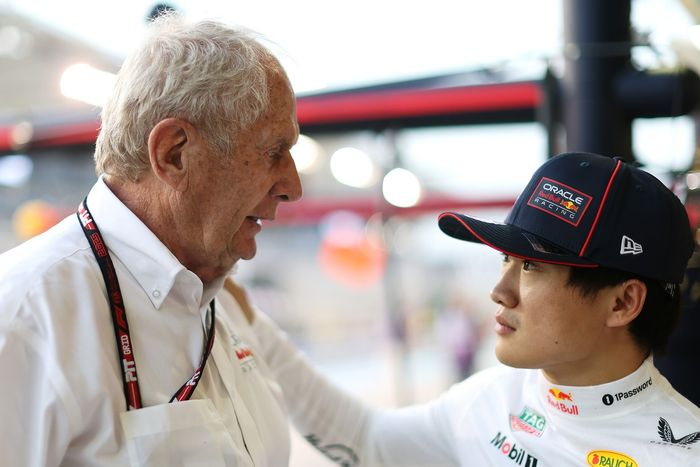
Missed Opportunity at Haas
From the beginning of the year Tsunoda’s representatives identified Haas as the most realistic route back onto the grid. The logic was sound. Haas had shown genuine interest in signing him for 2026, viewing the experienced midfield performer as a potential upgrade. However, Helmut Marko refused to release Tsunoda from his Red Bull obligations, preferring to retain every available driver option for as long as possible. It was not until the penultimate round of the season in Qatar that Red Bull finally informed Tsunoda he would not be racing. By that stage Haas could no longer wait and had progressed alternative plans.
The consequences of that delay are now clear. Esteban Ocon has been under pressure at Haas since pre-season, when team principal Ayao Komatsu publicly stated that the Frenchman had failed to meet expectations in 2025. Ocon remains the most likely driver on the current grid to lose his seat, yet Tsunoda is no longer viewed as the leading candidate to replace him. Ferrari junior Rafael Camara has emerged as a strong contender, while McLaren’s Leonardo Fornaroli impressed Haas during a test. Even if neither of those loan deals materialises, Tsunoda may still rank behind his fellow Japanese driver Ryo Hirakawa, who benefits from the significant backing of title sponsors Toyota.
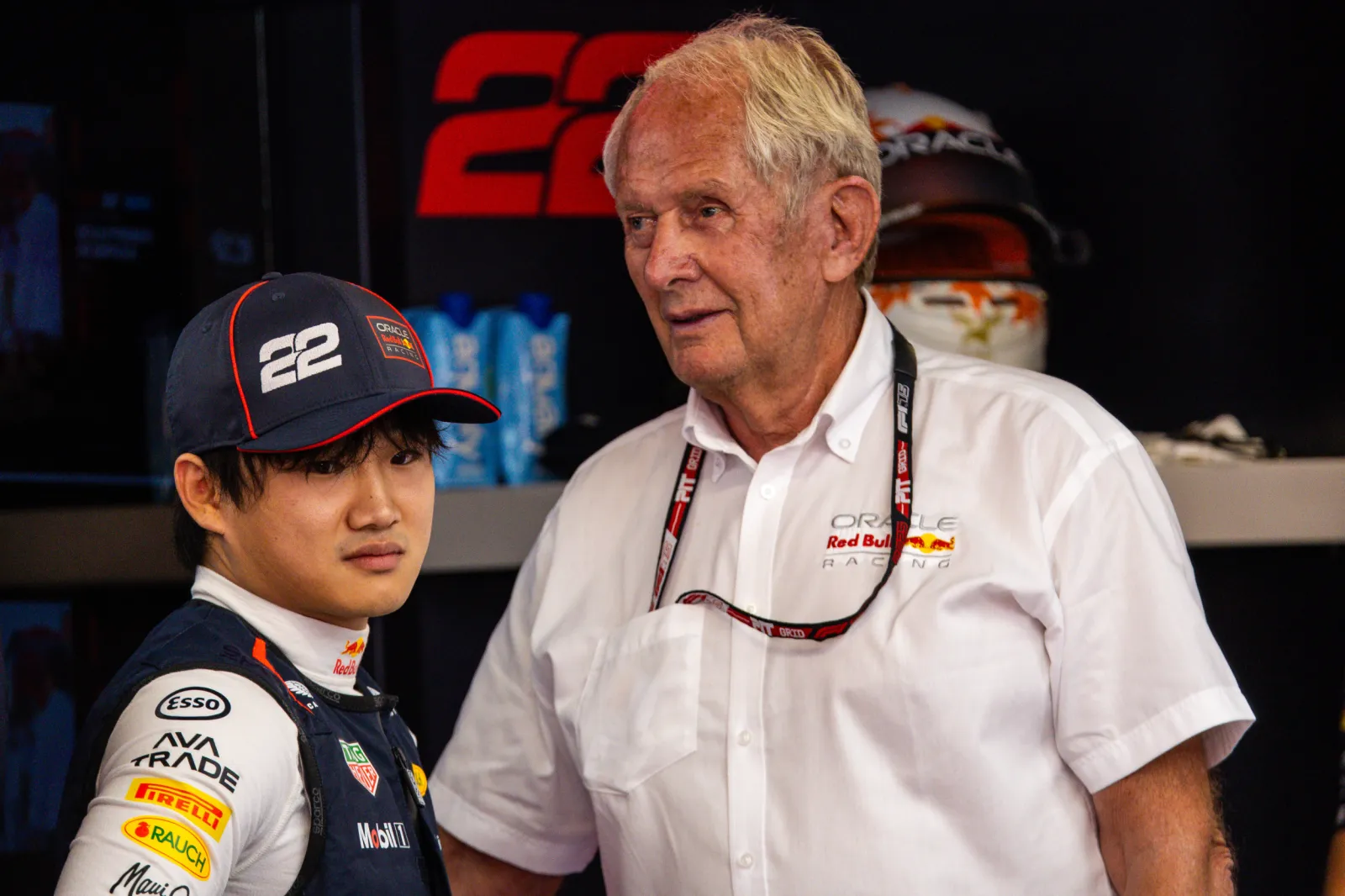
A Window That Closed
In effect Tsunoda missed his moment. Largely restricted to a reserve role this season, with only occasional private test outings for Red Bull, his visibility and perceived market value have declined. When he was racing regularly in the midfield with RB he consistently performed at a level higher than Ocon managed last season. Given that Ocon was outperformed by rookie Oliver Bearman in 2025, a switch to Tsunoda over the winter would have been straightforward to justify on sporting grounds. Instead, the protracted uncertainty created by Red Bull’s reluctance to free him allowed other options to develop and left both Haas and Tsunoda worse off.
Ocon’s form has deteriorated further in 2026, reinforcing the sense that an earlier opportunity was squandered. For Haas the search for an upgrade continues; for Tsunoda the realistic Formula 1 doors are closing. The longer a driver remains without competitive seat time, the harder it becomes to convince teams that he represents a low-risk improvement.
Marko’s Lasting Influence
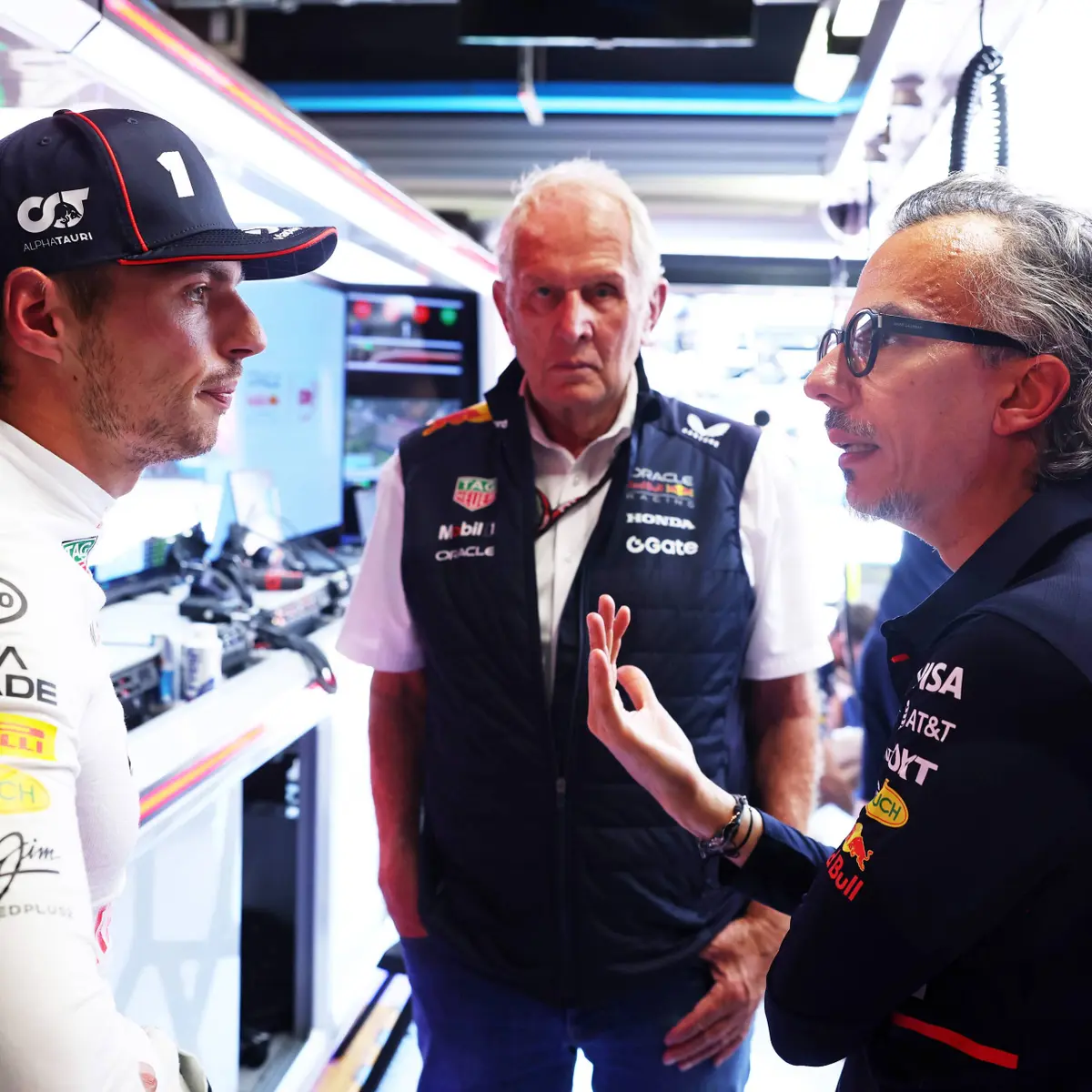
Helmut Marko’s refusal to sanction Tsunoda’s departure stands as one of his final significant acts of driver management at Red Bull. By prioritising the team’s internal flexibility over the driver’s immediate future, Marko effectively removed Tsunoda from contention for the one seat that had been realistically available. In the unforgiving economics of the Formula 1 driver market, timing is often decisive. Once the calendar advanced past the point at which teams finalise their line-ups, Tsunoda’s leverage evaporated.
The contrast with previous Red Bull graduates is instructive. Albon and Perez both found routes back into competitive seats after periods away from the senior team, benefiting from residual reputation and more favourable market conditions. Tsunoda faces a colder climate: fewer vacancies, stronger rival candidates, and the disadvantage of a year spent largely on the sidelines. IndyCar, with its different technical demands and competitive structure, now offers a practical alternative for a driver still in his mid-twenties who wants to continue racing at a high level rather than wait indefinitely for a Formula 1 opportunity that may never materialise.

Looking Toward 2027 and Beyond
Discussions with Meyer Shank Racing remain at an early stage, yet the fact that they are taking place at all illustrates how far Tsunoda’s thinking has shifted. A move to the United States would represent a significant geographical and professional change, but it would also provide regular competitive mileage and the chance to rebuild momentum. For a driver whose Formula 1 career has been defined by raw speed tempered by inconsistency, a new environment could prove beneficial.
Meanwhile the Formula 1 landscape continues to evolve without him. Haas must still resolve its own driver question, and the presence of well-supported juniors such as Camara and Fornaroli ensures that Tsunoda is no longer the default alternative. Hirakawa’s Toyota links add another layer of competition for any seat that might still open. In that context, waiting for a late vacancy carries obvious risks.
The episode also raises broader questions about the power held by senior advisors within large organisations. Marko’s determination to keep every option open until the last possible moment protected Red Bull’s short-term interests but left a driver who had given the organisation five years of service with severely limited alternatives. Whether that approach ultimately benefits the wider Red Bull driver programme is a separate debate; for Tsunoda the personal consequence is clear.
As the 2026 season progresses and teams lock in their plans for the following year, Tsunoda’s window of opportunity in Formula 1 continues to shrink. The conversations with IndyCar teams may yet develop into a concrete offer, providing a new chapter rather than an indefinite wait. What is already apparent is that the decision taken inside Red Bull earlier this year—holding Tsunoda until it was too late for Haas—has had a decisive and possibly permanent effect on his Formula 1 prospects. One of Helmut Marko’s final interventions in the driver market may well have closed the door on a career that once looked set for a longer stay on the grid.