Vasseur Explains Ferrari Reasoning Behind Decision to Pit Hamilton Under Safety Car
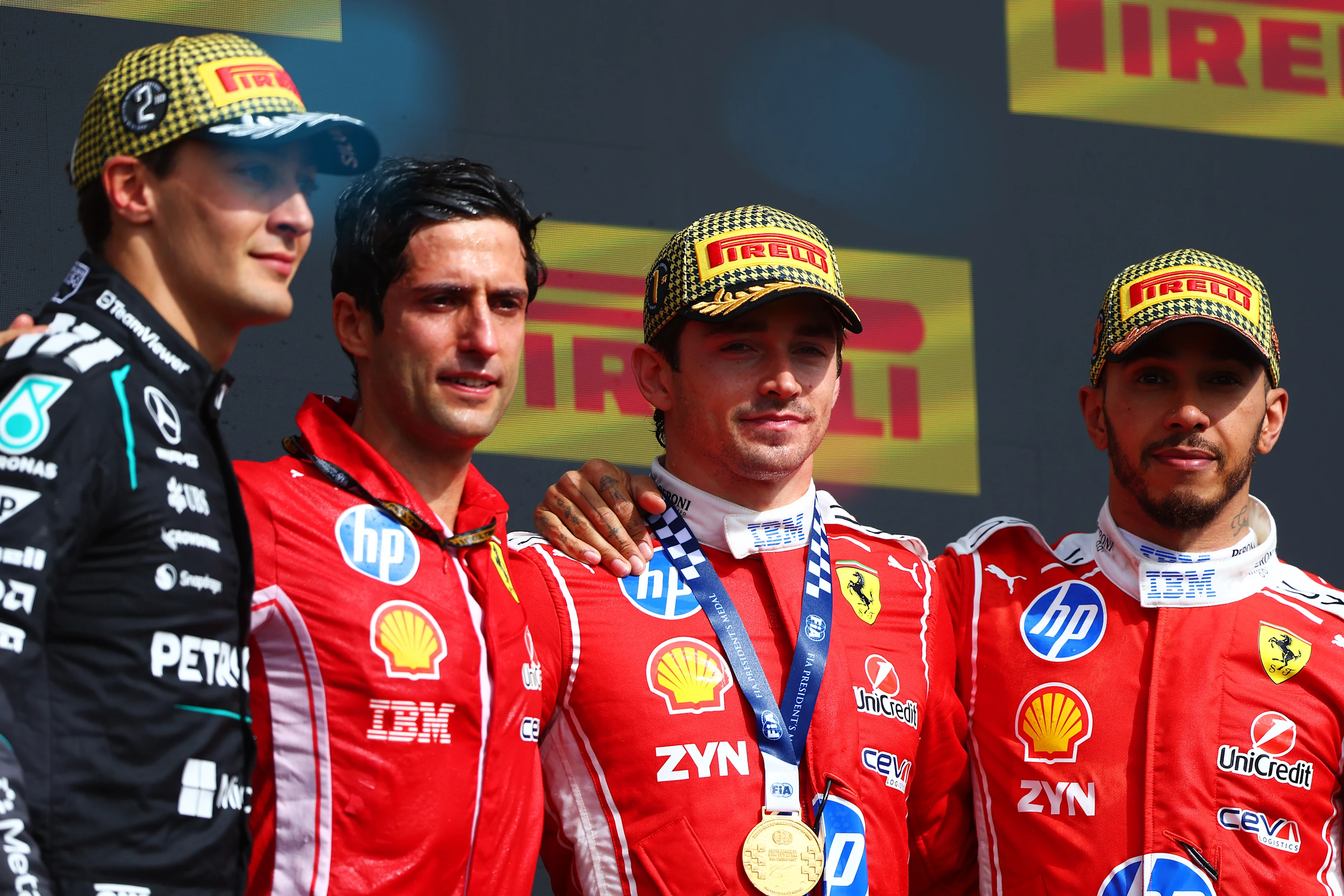
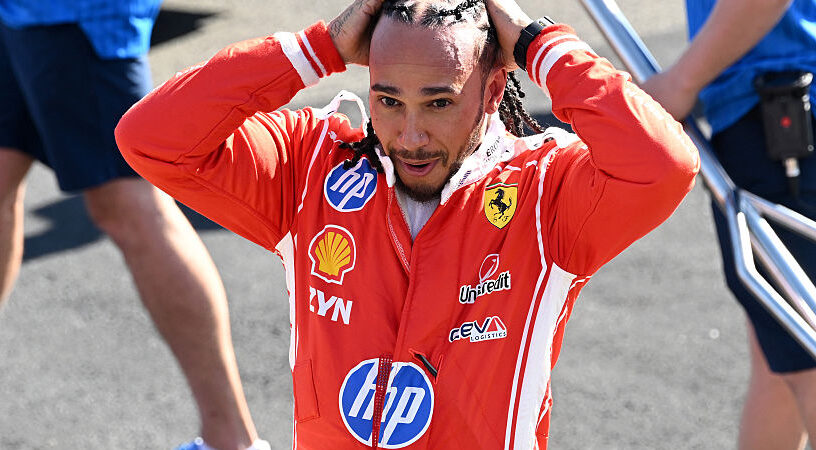
Lewis Hamilton was left to finish third at the British Grand Prix, while Charles Leclerc claimed victory, after losing a position when pitting under the Safety Car.
Fred Vasseur has explained the reasoning behind Ferrari’s decision to pit Lewis Hamilton under the late Safety Car at the British Grand Prix, with the Briton ultimately losing a place to George Russell as the race ended under neutralised conditions.
The Silverstone weekend was ultimately a huge success for the Scuderia as a second win in three races added further proof that they are the main challenger to Mercedes. However, while Charles Leclerc’s victory was a huge boost there was some frustration around the loss of a position for Hamilton who had to make do with third on the podium.
When the Safety Car emerged, after Max Verstappen’s spin into the gravel, Ferrari was faced with a difficult call. Out front Leclerc had a free stop to take soft tyres to protect his lead for a late restart, but the team knew that if Hamilton pitted from second then Mercedes would keep Russell out and he would jump ahead – which is exactly what happened.
As the cars toured round behind the Safety Car, Hamilton – on fresher tyres – was preparing to pounce on his former Mercedes team mate ahead. But, in the end, he didn’t get the chance and the race was never resumed, allowing a relieved Russell to hang on to second.
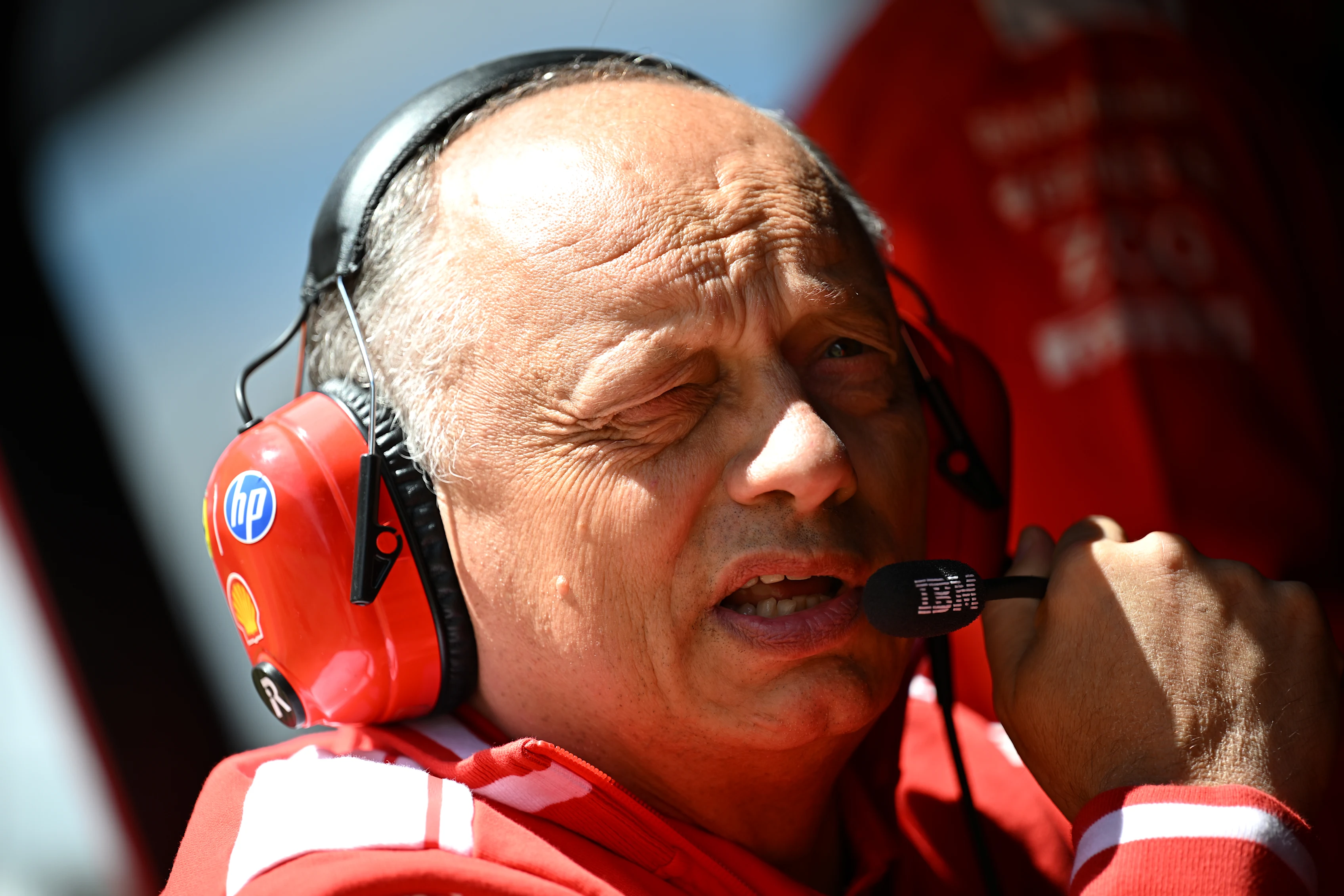
The loss of a position and priceless points was frustrating but, speaking after the race, Ferrari Team Principal Vasseur was adamant that it was the only decision to make on a day when Ferrari got everything right with Leclerc.
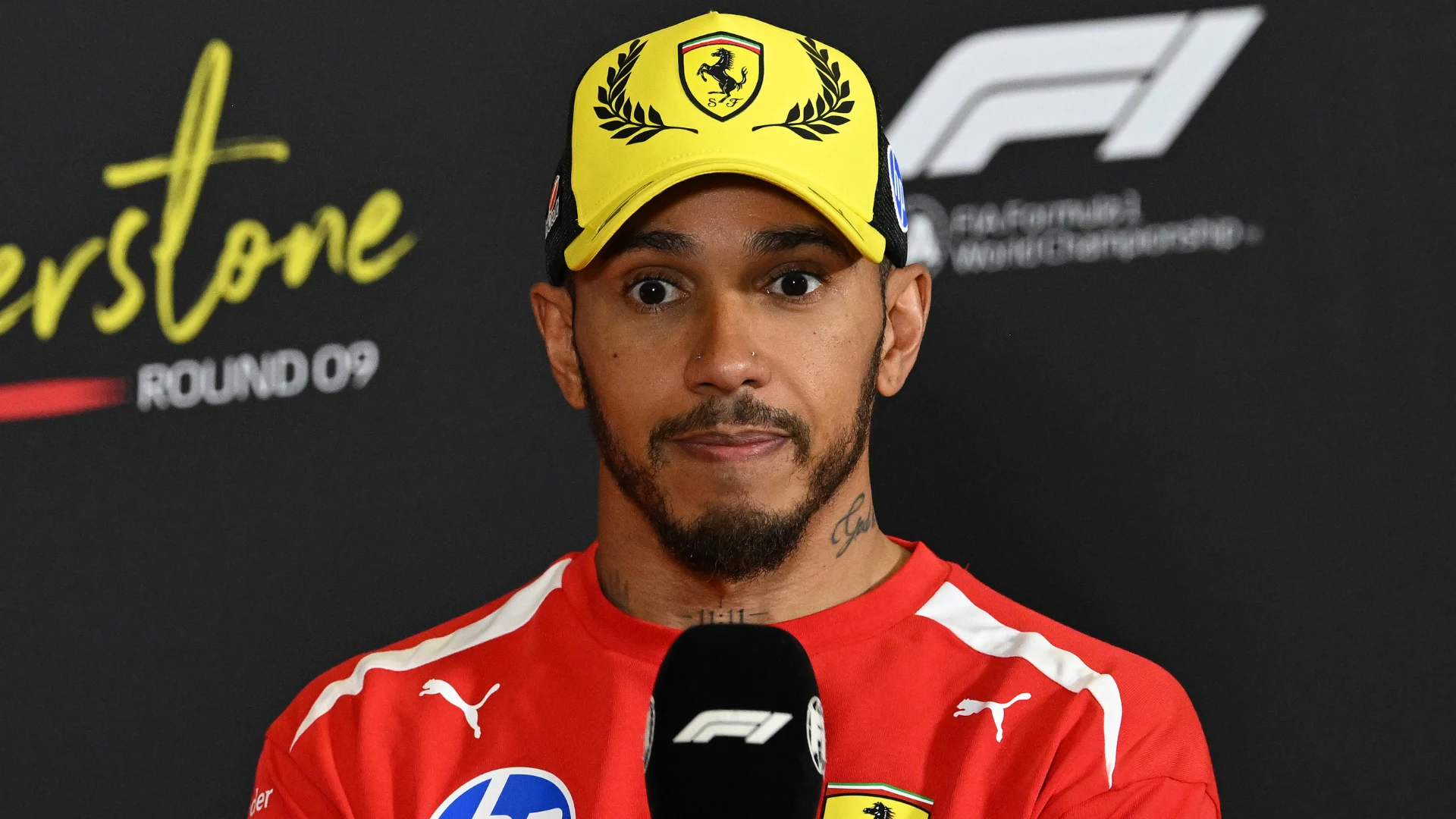
“You can discuss about Lewis, if it was the good call to pit,” he said. “But if you don’t pit, Russell pits, he’s with new soft, and we are with old hards in front of him, and we are taking the risk.
“Also, we were a bit surprised that the Safety Car could stay so long, and we were expecting a restart, and I think we can discuss at length about the call. But if I have to do it now, I will do the same.”
Looking at the bigger picture Silverstone showed that Ferrari is making progress. The Austrian Grand Prix saw a disappointing blip with tyre management issues, but even there the SF-26 showed its inherent pace with P2 and P3 in Qualifying.
Despite the consistent form at tracks where Ferrari was expected to lose out on pure power unit performance Vasseur is keeping his feet firmly on the ground.
“We still have a deficit of performance, this we know,” he said. “And for sure it’s more difficult when you are going to Silverstone than when you are going to Monaco. That’s why we were not very optimistic.
“But in the other hand, I think it pushed us to chase the last amount of seconds everywhere, and we did a small step by small step all over the weekend to have a strong pace today.”
He also stressed that the British GP wasn’t just about horsepower, adding: “I think for sure it’s much more engine related, Silverstone, than Spain two weeks ago. But it was also the first time that we had windy conditions, and front limited – the characteristic of the track is completely front. It’s not just about the engine, and I think we did pretty well with all these topics.
“But next week will be another challenge in Spa. First the weather will be probably a bit different, but we have to start from scratch every single weekend. There is nothing magic – we can’t imagine making a step of five or six-tenths in one weekend, and it’s just the addition of small gains everywhere to make a difference.”
Car performance aside, the biggest message to take from Silverstone was that Leclerc has got his mojo back after a difficult recent run, with Vasseur insisting that he never lost faith in his driver.
“If you have a look, he was on the first row in Spielberg, he was consistently there,” he said. “For us with data, we were not negative. What was tough for him was the lack of points, the lack of results.
“I think the result of today is the best boost of the confidence that he can have. Also as we are developing the car from the beginning of the season, we need to readjust the setup each time, and I think that perhaps Charles on top had the change of brakes a couple of races ago, and we had to reshape a little bit everything.
“But it was not just a matter of performance. I think it was more a matter of confidence – and this will help massively today.”
The Difficult Call Under Safety Car
The late Safety Car period at the British Grand Prix presented Ferrari with a challenging strategic decision. With Charles Leclerc leading the race, the team opted to bring him in for fresh soft tyres to protect his position. However, the same decision for Lewis Hamilton from second place allowed George Russell to stay out and jump ahead when the race finished under neutralised conditions.
Fred Vasseur defended the call, explaining that not pitting Hamilton would have left him vulnerable to Russell on fresh tyres. The team principal emphasised that the decision was made with the expectation of a restart, which ultimately did not materialise. His comments reflect the difficult balance teams must strike when managing strategy under Safety Car conditions.
Ferrari’s Progress This Season
The British Grand Prix weekend demonstrated Ferrari’s continued progress in the 2026 season. Charles Leclerc’s victory marked a significant boost for the team after some challenging races. The performance at Silverstone showed that Ferrari is capable of competing at the front despite not having the outright fastest car.
Vasseur’s comments about the team’s development work highlight the incremental improvements being made. The Austrian Grand Prix blip with tyre management issues was addressed, and the team showed strong pace at Silverstone. The consistent performance at circuits where Ferrari was expected to struggle demonstrates the car’s potential.
Leclerc’s Return to Form
Charles Leclerc’s victory at Silverstone marked a welcome return to form for the Monegasque driver. His strong performance from second on the grid showed his confidence and ability to control races. Vasseur’s comments about Leclerc’s consistency and the importance of the win for his confidence reflect the team’s belief in their driver.
The change of brakes and setup adjustments had affected Leclerc’s recent performances, but the Silverstone result provided a significant boost. His ability to capitalise on opportunities and deliver a strong performance shows his growing maturity as a driver. The victory will be important for his confidence heading into the coming races.
The Championship Battle
The British Grand Prix has added another chapter to the intense 2026 championship battle. Ferrari’s strong performance has strengthened their position as Mercedes’ main challenger. The points gained by Leclerc and Hamilton have kept Ferrari competitive in both the drivers’ and constructors’ championships.
The close battle between the leading teams highlights the competitive nature of the current season. Mercedes’ reliability issues have affected their performance, while Ferrari has shown consistent improvement. The coming races will be crucial in determining the final outcome of the title fights.
The Strategic Challenges in F1
The British Grand Prix highlighted the strategic challenges faced by teams in modern Formula 1. The Safety Car period created difficult decisions for all teams, with Ferrari’s call for Hamilton proving costly. The situation demonstrated the importance of making the right strategic choices under pressure.
Vasseur’s comments about the team’s approach to the weekend reflect the detailed preparation required for success in Formula 1. The incremental improvements made throughout the weekend showed the team’s commitment to maximising performance. The situation has prompted discussion about how teams can better prepare for unexpected race situations.
Looking Ahead for Ferrari
As Ferrari looks ahead to the coming races, the focus remains on maintaining their strong form. The British Grand Prix victory has provided a significant boost for the team and Charles Leclerc. The coming challenges at circuits like Spa will test the team’s ability to adapt and continue their progress.
The situation has also highlighted the importance of strategy in Formula 1. Ferrari’s performance at Silverstone showed their ability to make the right decisions for Leclerc while the Hamilton call proved more challenging. The team will look to learn from the weekend and apply those lessons in future races.
The story of Ferrari’s 2026 season continues to generate interest among fans. Their progress and Leclerc’s return to form have created optimism for the team’s championship challenge. As the season progresses, the focus remains on how Ferrari performs in the coming races and whether they can maintain their position as Mercedes’ main rival.