First Responders Describe Chaotic Scene at Duxbury Home During Third Day of Lindsay Clancy Murder Trial
The third day of testimony in the Lindsay Clancy murder trial brought emotional and disturbing details from the emergency responders who arrived at the Duxbury, Massachusetts, home on January 24, 2023.
Firefighters, paramedics and police officers described a scene that quickly became chaotic as they attempted to respond to the deaths of three young children and treat Lindsay Clancy after what prosecutors describe as a suicide attempt.
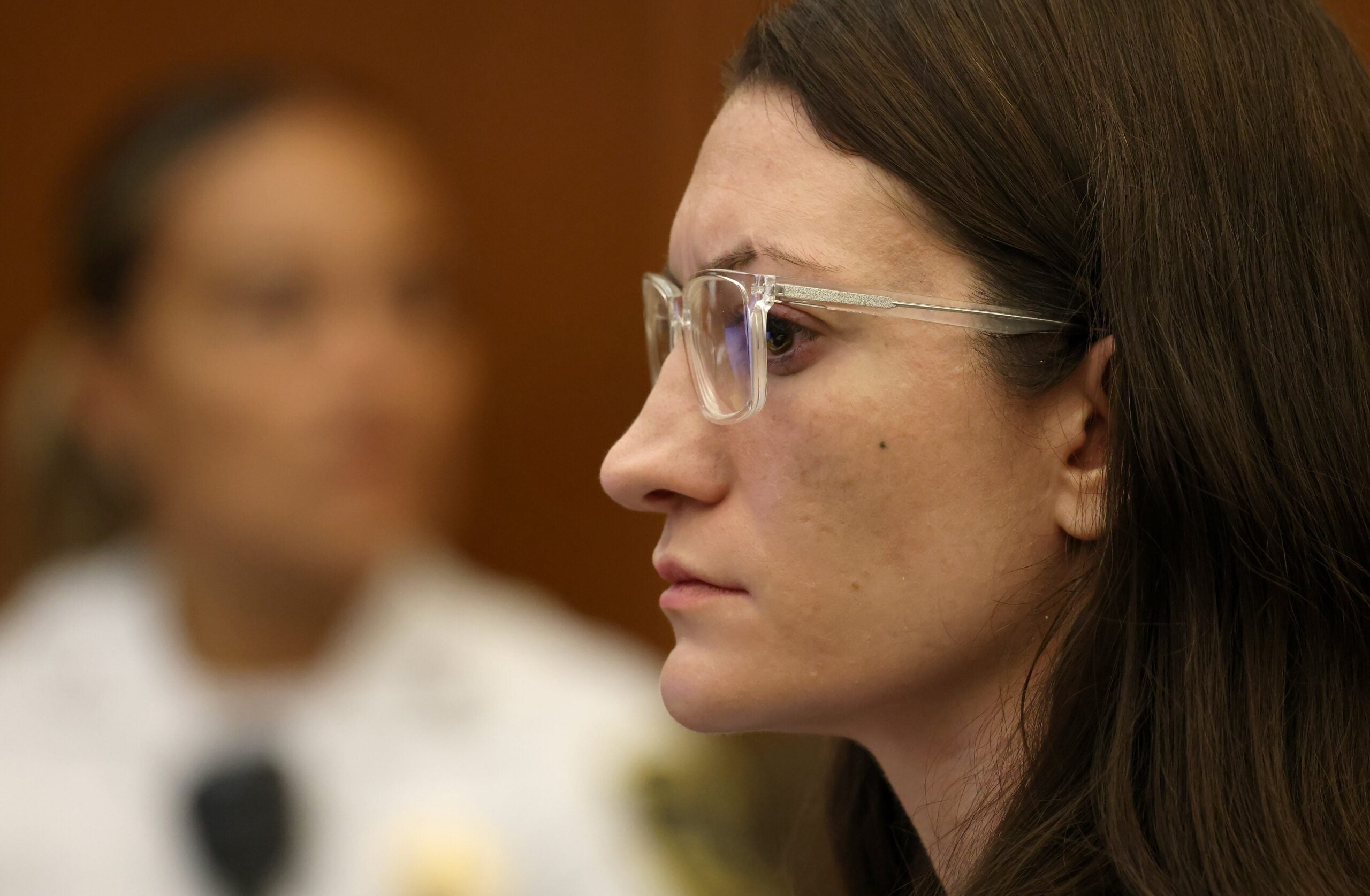
Clancy, now 35, is charged with three counts of first-degree murder in connection with the deaths of her children: five-year-old Cora, three-year-old Dawson and eight-month-old Callan. She has admitted to strangling the children but has pleaded not guilty, with her defence arguing that she was suffering from severe postpartum psychosis and was not criminally responsible for her actions.
Prosecutors, however, have argued that Clancy acted deliberately and carefully planned the killings. They are attempting to prove that she was mentally capable of understanding her actions at the time.
Emergency Responders Recall Chaotic Scene
Duxbury Fire Captain PJ Hussey was among the first witnesses to describe the scene at the Clancy family home.
Hussey told jurors that the situation became extremely chaotic almost immediately after emergency crews arrived. When firefighters reached the Summer Street property, several police vehicles were already present.
He explained that he went toward the backyard, where he found Lindsay Clancy lying injured on the ground. While at the scene, he heard a scream coming from inside the home.
Looking through a basement window, Hussey said he saw Patrick Clancy, Lindsay’s husband at the time, appearing to remove something from around a child’s head.
At the request of prosecutor Jennifer Sprague, Hussey demonstrated the movement he observed, showing how Patrick appeared to unwrap an object from around the child’s neck. He later learned the child was three-year-old Dawson.
Another first responder, retired Duxbury firefighter and EMT Loring “Chuck” Nudd, also testified about his arrival at the home.
Nudd said he was removing a stretcher from an ambulance parked in the driveway when a police officer rushed out of the house carrying Dawson. Emergency crews immediately placed the child on the stretcher and began performing CPR.
Duxbury firefighter and paramedic Keith Nette also responded despite being off duty that day. He said he was called in because of the seriousness of the emergency.
Nette drove his personal vehicle to the scene and joined medical workers who were attempting to revive Dawson. He testified that emergency responders transported the child to Beth Israel Deaconess Hospital in Plymouth, but they were unable to restore his pulse.
Officers Describe Discovering the Children
Duxbury police officer Vincent Cahill told jurors that when he arrived at the home, he found Patrick Clancy in the basement screaming and desperately trying to get help.
Cahill said Patrick pointed toward an area where two children were lying on the floor. The officer checked both children for signs of life but found no pulse.
He explained that he moved furniture, including an ottoman, to create more space for medical teams to work. He then assisted emergency responders as they attempted to save five-year-old Cora.
Another firefighter and paramedic, Patrick Dwyer, described seeing the children in the basement while Patrick sat nearby in shock.
Dwyer said he immediately began working on Cora and continued life-saving efforts while transporting her to Beth Israel Deaconess Hospital. Despite those efforts, medical personnel were unable to regain her pulse.
Jennifer Stratton, another Duxbury firefighter and paramedic, also testified about treating the children.
She said she saw Cora and eight-month-old Callan lying on the basement floor. While Dwyer focused on Cora, Stratton began emergency treatment on Callan.
She recalled picking up the infant and carrying him to an ambulance. However, she testified that Callan also never regained a pulse during transport.
Treatment of Lindsay Clancy
Emergency responders also described treating Lindsay Clancy after finding her injured outside the home.
Daniel Dougherty, a Duxbury firefighter and paramedic, testified that he treated cuts on Lindsay’s wrists while she was lying in the backyard.
He said she was breathing independently but was only partially responsive. Dougherty also described a cut on her neck, which he believed appeared relatively minor because there was no active bleeding.
After Lindsay was transported away from the scene, Dougherty went to assist with emergency efforts involving Dawson.
Pembroke firefighter and paramedic Robert Costanzo, who arrived as part of a mutual aid response, also described Lindsay’s condition.
Costanzo said Lindsay was lying in the backyard, unconscious but breathing, and had already been placed on a backboard with a cervical collar. Her wrists were bandaged, and he observed what he described as superficial cuts on her neck without active bleeding.
While transporting Lindsay to South Shore Hospital, Costanzo noticed signs that led him to consider a possible opioid overdose. He testified that her pupils were constricted, so he administered Narcan, a medication used to reverse opioid effects.
Costanzo said Lindsay became somewhat more agitated afterward, moving her arms but not speaking. He testified that she never fully regained consciousness during the ambulance ride.
During cross-examination, defence attorney Kevin Reddington questioned Costanzo about whether Lindsay’s reaction could also have been caused by a head injury rather than medication effects.
Police Testimony About the Investigation
Earlier in the day, Duxbury police officers also testified about what they discovered when they arrived at the home.
Officer Stephen Hall said he found Lindsay injured in the backyard with Patrick beside her. He testified that she appeared to move between consciousness and unconsciousness and had injuries to her wrists and neck.
Hall explained that Lindsay would wake briefly, move around and then become still again. He said she appeared to be in pain.
According to Hall, Patrick later went inside the home to check on the children. Shortly afterward, Hall heard a radio call followed by a scream from inside the house.
Hall testified that Patrick was saying he could not wake the children.
When Hall and another officer, Brian Josephine, entered the basement, they found the children unresponsive.
Hall recalled seeing an exercise band near Dawson, who was later identified as one of the victims.
Josephine testified that Patrick approached officers as they entered the basement and shouted that Lindsay had killed the children.
He carried Dawson upstairs toward emergency crews before returning to look for the other children.
Both officers described seeing Cora and Callan motionless while paramedics attempted to save them.
Josephine said he helped perform CPR on Cora before returning upstairs, where he found Patrick extremely distressed and still screaming.
Emergency responders later requested medical assistance for Patrick as well because of his emotional state.
Mental Health Remains Central Issue
The testimony from first responders added emotional weight to the ongoing debate over Lindsay Clancy’s mental condition.
The defence argues that she was suffering from postpartum psychosis and experienced voices telling her to harm her children and herself.
Prosecutors are attempting to show that Lindsay remained aware of her actions and continued completing daily tasks before the killings.
During earlier testimony, Patrick described Lindsay as a loving and dedicated mother who cared deeply for her children.
He said she read to them from an early age, created songs for them and regularly devoted herself to their wellbeing.
The trial is expected to continue with further testimony from medical experts, investigators and witnesses as both sides attempt to convince jurors of their competing explanations for the tragedy.