Lindsay Clancy Trial: Ex-Husband Describes Growing Fears About Children’s Safety Before Tragedy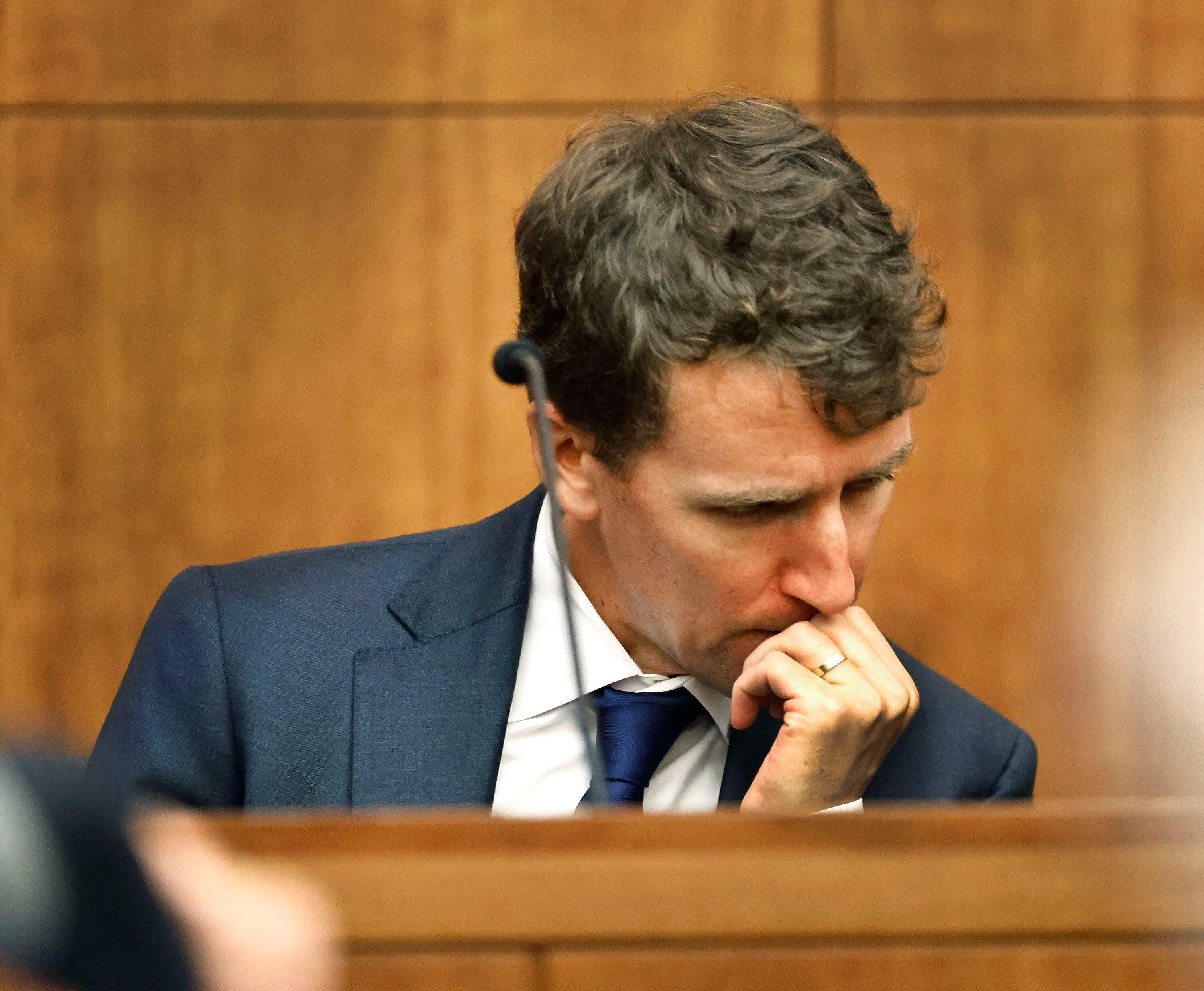
The murder trial of Lindsay Clancy began with emotional testimony from her former husband, Patrick Clancy, who described the growing concerns he had about his wife’s mental health and the safety of their three children in the weeks before their deaths.
Patrick, the father of the three children who died in 2023, appeared before a Plymouth Superior Court jury and recounted the difficult period leading up to the tragedy. Lindsay Clancy sat in the courtroom as her ex-husband spoke about her struggles with postpartum depression and the warning signs he noticed before the devastating events.
Lindsay Clancy, 35, is accused of killing her three children — five-year-old Cora, three-year-old Dawson, and eight-month-old Callan — before attempting to take her own life by jumping from a second-floor window. The fall left her paralyzed.
Her defense team does not dispute that Lindsay caused the deaths of the children. Instead, attorney Kevin Reddington argues that she should not be held criminally responsible because she was experiencing severe postpartum psychosis at the time of the incident.
The defense claims that Lindsay’s mental state had deteriorated because of an untreated psychiatric condition and the effects of multiple medications. They argue that she was not acting with a clear understanding of reality when the killings occurred.
Patrick Clancy Describes His Wife’s Mental Health Decline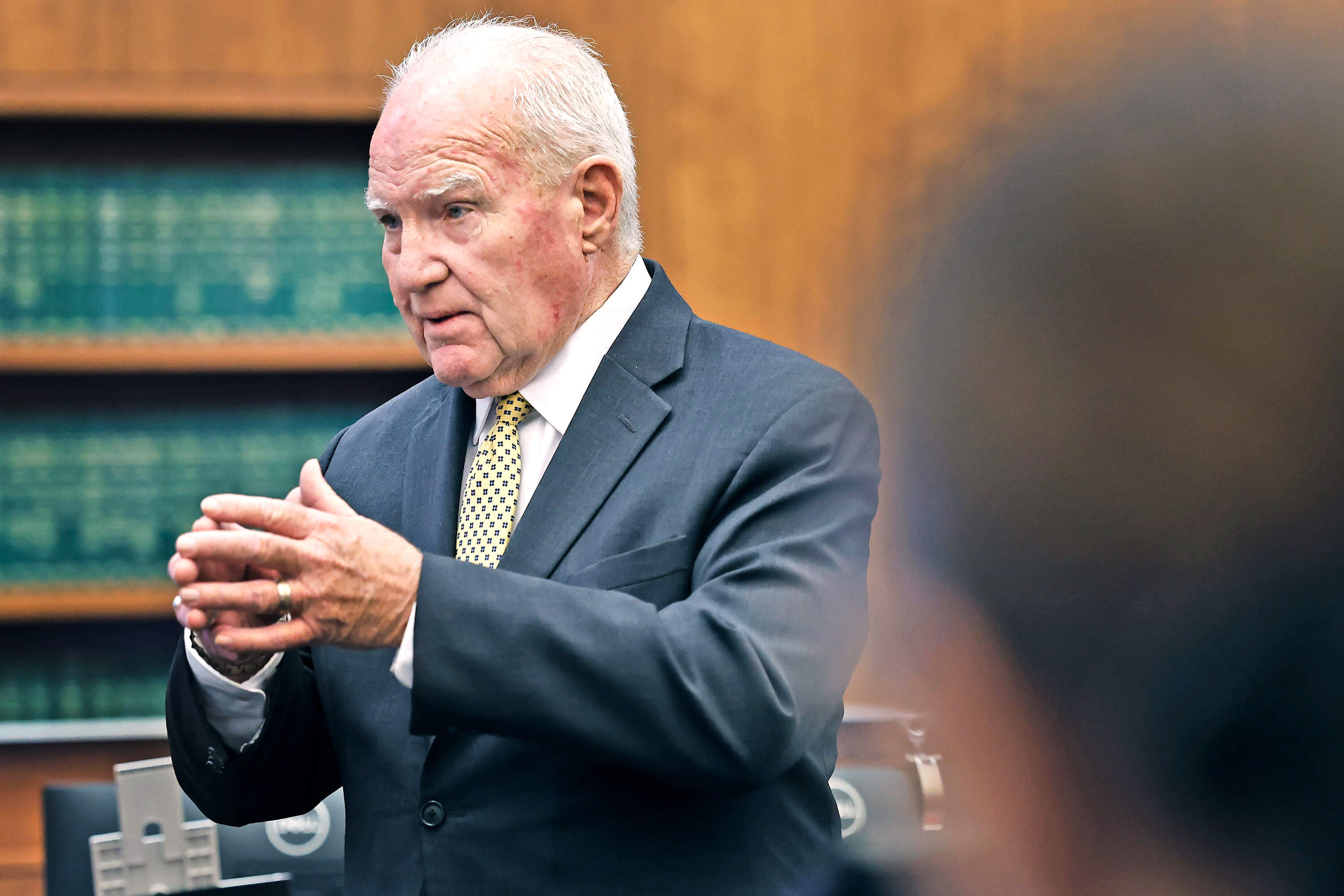
During testimony, Patrick explained that Lindsay had been struggling emotionally for months following the birth of their youngest child, Callan.
He told jurors that her anxiety increased as she prepared to return to her career as a labor and delivery nurse. Although she had experienced some emotional difficulties after previous pregnancies, Patrick said her condition became much worse after the birth of their third child.
According to Patrick, Lindsay began experiencing severe mental health challenges, including anxiety, depression, and disturbing thoughts.
When questioned by prosecutor Jennifer Sprague, Patrick revealed that about one month before the killings, Lindsay had expressed thoughts about harming herself and concerns involving their children.
Patrick said he once asked his wife whether she believed she needed to be separated from the children for their safety.
“She said no,” he explained.
He described the situation as confusing because Lindsay could express frightening thoughts but moments later behave normally by preparing meals, playing with the children, or helping them get ready for bed.
Patrick told the court that although Lindsay had these troubling thoughts, he never witnessed her physically harm the children before the tragedy.
“I never saw Lindsay harm the kids,” he said.
A Father Remembers His Children
Throughout his testimony, Patrick became emotional while speaking about his three children.
Although he remained composed for much of his time on the witness stand, his voice became shaky when prosecutors asked him to describe their personalities.
He began with Cora, his five-year-old daughter.
Patrick said Cora loved princesses, had many friends, and enjoyed caring for other people.
He described Dawson, three, as a young boy who loved trucks and the children’s television show “Paw Patrol.”
Callan, the youngest child, was described simply as “a happy baby.”
Patrick’s emotional testimony gave jurors a personal view of the children beyond the details of the criminal case.
He spoke about the family’s life before the tragedy and the memories they shared together.
Defense Focuses on Postpartum Psychosis
The defense has centered its argument around Lindsay’s mental health condition.
Attorney Kevin Reddington has argued that Lindsay was suffering from postpartum psychosis, a serious condition that can cause extreme confusion, hallucinations, and distorted thinking.
He said Lindsay sought help from multiple postpartum mental health specialists but was not properly diagnosed or treated.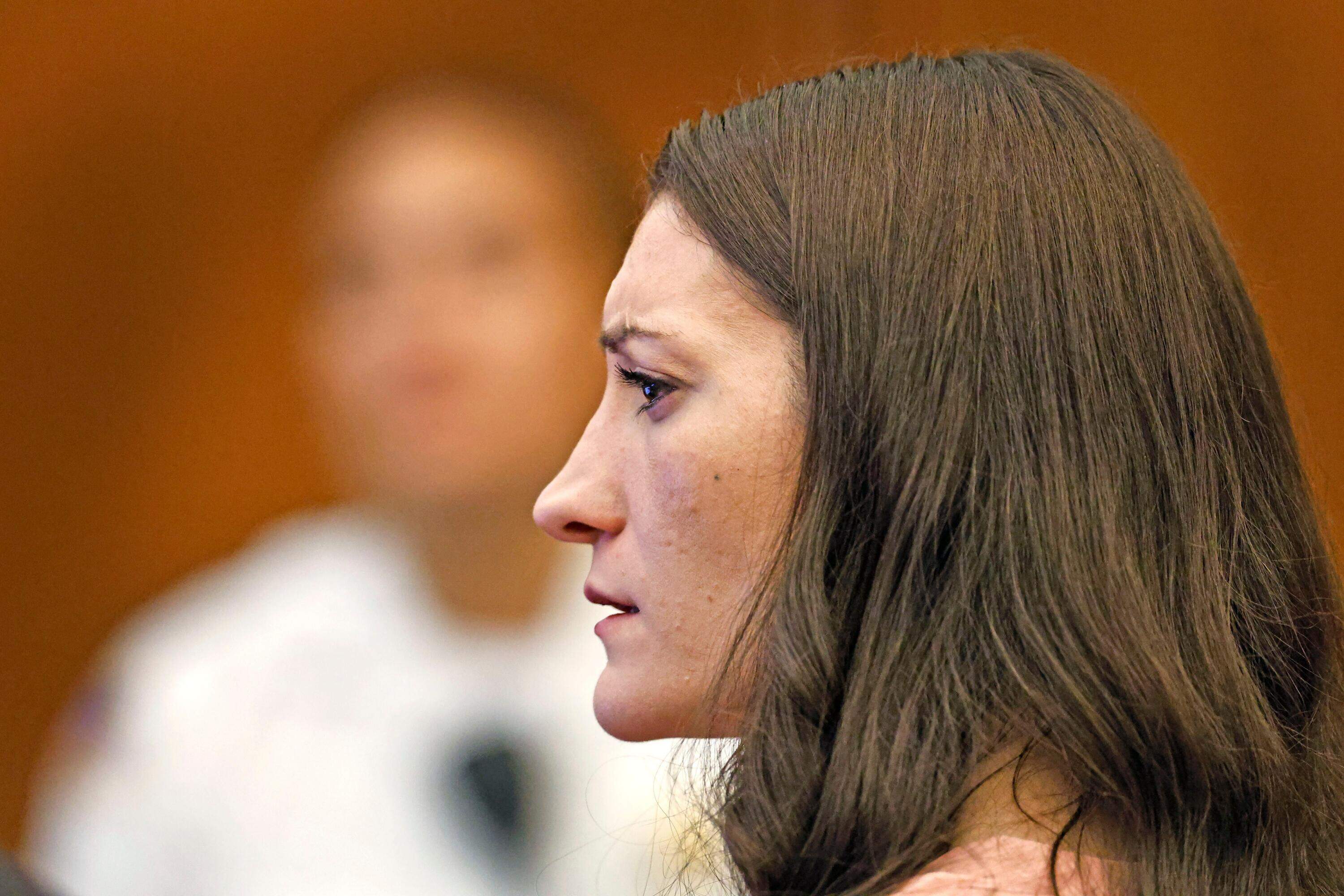
According to the defense, she was prescribed numerous medications, and the combination of her illness and treatment contributed to her worsening condition.
Reddington acknowledged that Lindsay killed her children but argued that the key question for jurors is what was happening inside her mind at the time.
“She knows that she killed those children,” he said. “But the issue is what was going on in that woman’s mind?”
The defense maintains that Lindsay’s actions were not the result of a rational decision but rather a psychiatric crisis.
Prosecutors Present a Different Picture
Prosecutors have offered a very different interpretation of events.
During opening statements, Assistant District Attorney Shanan Buckingham argued that Lindsay was aware of her actions and made deliberate choices leading up to the deaths.
She presented photographs and videos showing Lindsay appearing to function normally during the period before the tragedy.
Prosecutors argued that Lindsay did not fully follow her mental health treatment plan and did not take all medications that had been prescribed.
Buckingham told jurors that after several months of treatment, Lindsay made a conscious decision to end her life and take her children with her because she believed no one else could care for them in the way she wanted.
The prosecution’s argument is that the killings were intentional rather than the result of an uncontrollable psychiatric episode.
Conflicting Views of Lindsay’s Final Weeks
A major issue in the trial will be how jurors interpret Lindsay’s behavior before the deaths.
Patrick’s testimony highlighted her emotional struggles, medical appointments, and efforts to seek help.
He described a woman who was suffering but who also continued to care for her children and participate in family activities.
Prosecutors, however, are expected to argue that her ability to appear normal at times does not mean she was incapable of planning or understanding her actions.
The jury will have to determine whether Lindsay’s mental illness prevented her from knowing right from wrong or whether she remained legally responsible.
Possible Outcome and Future Custody
If Lindsay Clancy is convicted of murder, she could face a life sentence.
However, even if the jury decides she was not criminally responsible because of mental illness, she would not simply be released.
Instead, she would remain in state custody and continue receiving treatment at a secure medical facility.
Doctors would regularly evaluate her condition and determine whether she could eventually be safely released into the community.
The trial is expected to continue with additional witnesses, medical experts, and evidence as both sides attempt to convince jurors of their competing explanations.
At the center of the case remains a difficult question: whether Lindsay Clancy’s actions were the result of a deliberate choice or the devastating consequences of a severe mental health crisis.