**PAUL MOSLEY, WHO HELPED THE COUPLE CAUSE THE HORRIFIC FIRE, HAS DIED WHILE THE MAIN CULPRIT REMAINS ALIVE**
The news of the death of Paul Mosley, who was convicted for his role in the shocking arson, has brought the case back into the spotlight. Meanwhile, the names Mick Philpott and Mairead Philpott continue to be linked to controversies that have never truly subsided.
The emergence of new developments has led many to re-examine the entire case and question the calculations, motives, and consequences that have lasted for over a decade. Each piece of information revisited seems to spark a new wave of debate about justice, responsibility, and what happened behind the tragedy.
Paul Mosley died in October 2025 at the age of 58. He was found at a property in Portsmouth while still subject to the licence conditions of his sentence. A family member indicated he had recently suffered a heart attack. His death closes one chapter of a case that began more than thirteen years earlier, yet it leaves the two central figures still very much present in public discussion. Mick Philpott remains in prison. Mairead Philpott has lived freely since her release in 2020. The imbalance is impossible to ignore.
On the night of 11 May 2012, petrol was poured in the hallway of the Philpott family home on Victory Road in Allenton, Derby. The resulting fire killed six children who were asleep upstairs: Duwayne, 13; Jade, 10; John, nine; Jack, eight; Jesse, six; and Jayden, five. Mick Philpott, then 56, was the driving force. His wife Mairead and their friend Paul Mosley assisted. The plan, the court later accepted, was to start a fire that could be controlled, allow Mick to “rescue” the children, and frame his former mistress Lisa Willis in a custody dispute. The fire burned out of control. The children died. All three adults were convicted of manslaughter in 2013.
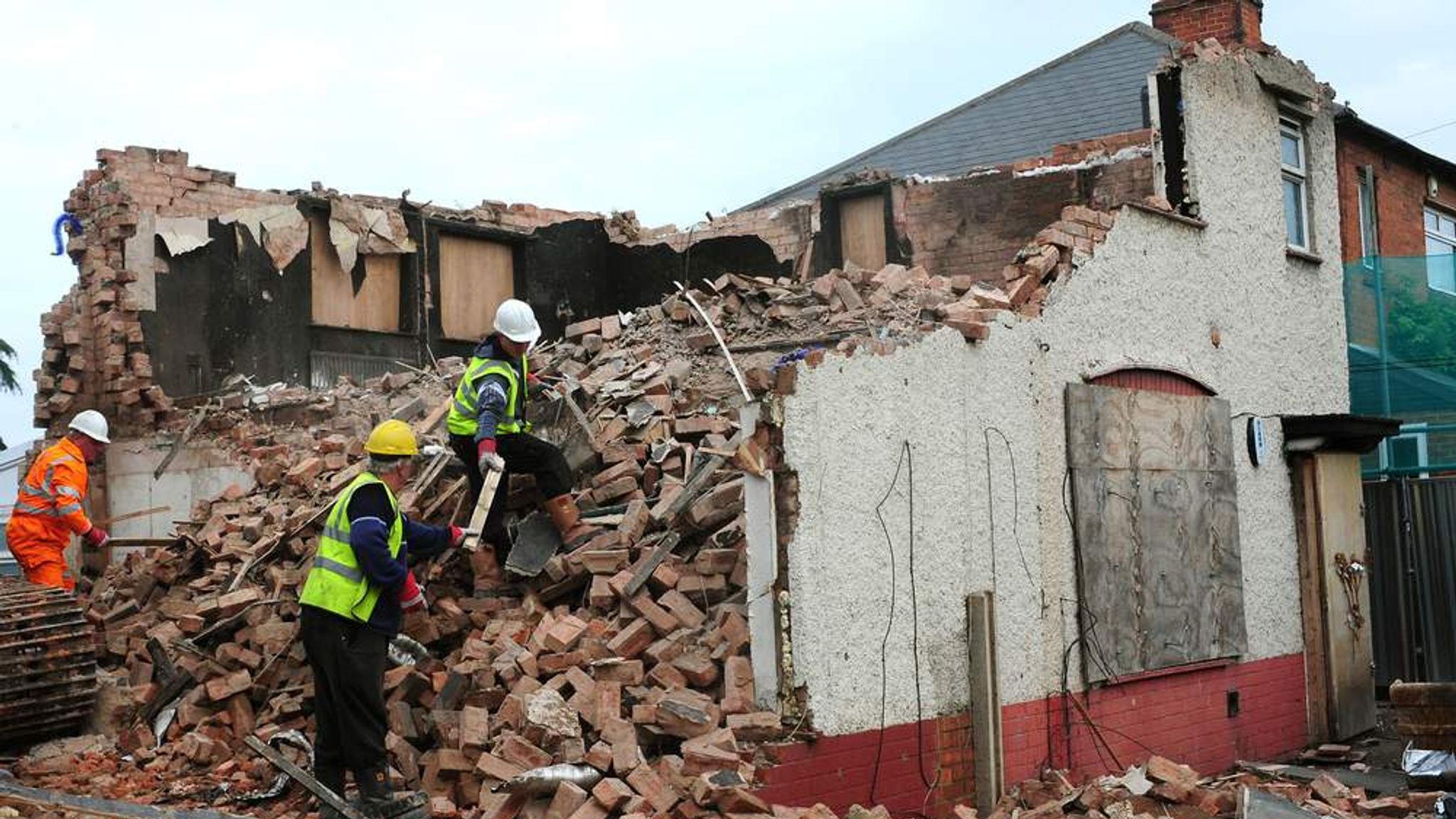
Mrs Justice Thirlwall sentenced Mick to life imprisonment with a minimum term of 15 years. Mairead and Mosley each received 17 years. The judge described Mick as a disturbingly dangerous man with no moral compass. She found that Mairead had put her husband first at the cost of her children’s lives. Of Mosley she said he had enjoyed the attention that came from his proximity to the fire and had even boasted of being arrested on six counts of murder. He was not the architect, but he was an active participant who removed petrol containers from the scene and shared in the chaotic aftermath.
Mosley was released on licence in 2021, recalled for breaches, and released again in 2023 or early 2024. His sentence had been due to run until late 2029. His death therefore arrived while he was still under supervision, but outside the walls of a prison. Mick Philpott, by contrast, continues to serve his life sentence at HMP Wakefield. He becomes eligible for parole consideration in May 2027 and has already begun speaking to solicitors about a bid for freedom. Mairead, released after serving half her term, has lived under a new identity, occasionally resurfacing in newspaper reports that reignite public anger.
The contrast between the three outcomes has become the latest focal point of an old argument. One man who helped set the fire is dead. One woman who helped set the fire walks free. The man the court identified as the driving force remains locked up and is preparing to argue that he no longer poses a risk. For many who followed the original case, the sequence feels incomplete. Justice, they argue, should not appear so uneven. Others point to the legal realities: determinate sentences carry automatic release points, life sentences require Parole Board assessment of risk, and death ends all further process. The system treated each defendant according to the sentence imposed, not according to a collective sense of what the crime deserved in total.
Yet the revisiting of details continues. The public performance of grief in the days after the fire—the press conference tears, the appeals for help to catch a non-existent outsider, the community collections that raised thousands for funerals—still sits uneasily alongside the covert recordings in which Mick urged his wife to stick to the story. Mosley’s reported enjoyment of the attention he received after the fire adds another layer. The judge’s remarks about simulated distress designed to evoke sympathy remain part of the official record. Each time one of the three names returns to the news, these elements surface again.
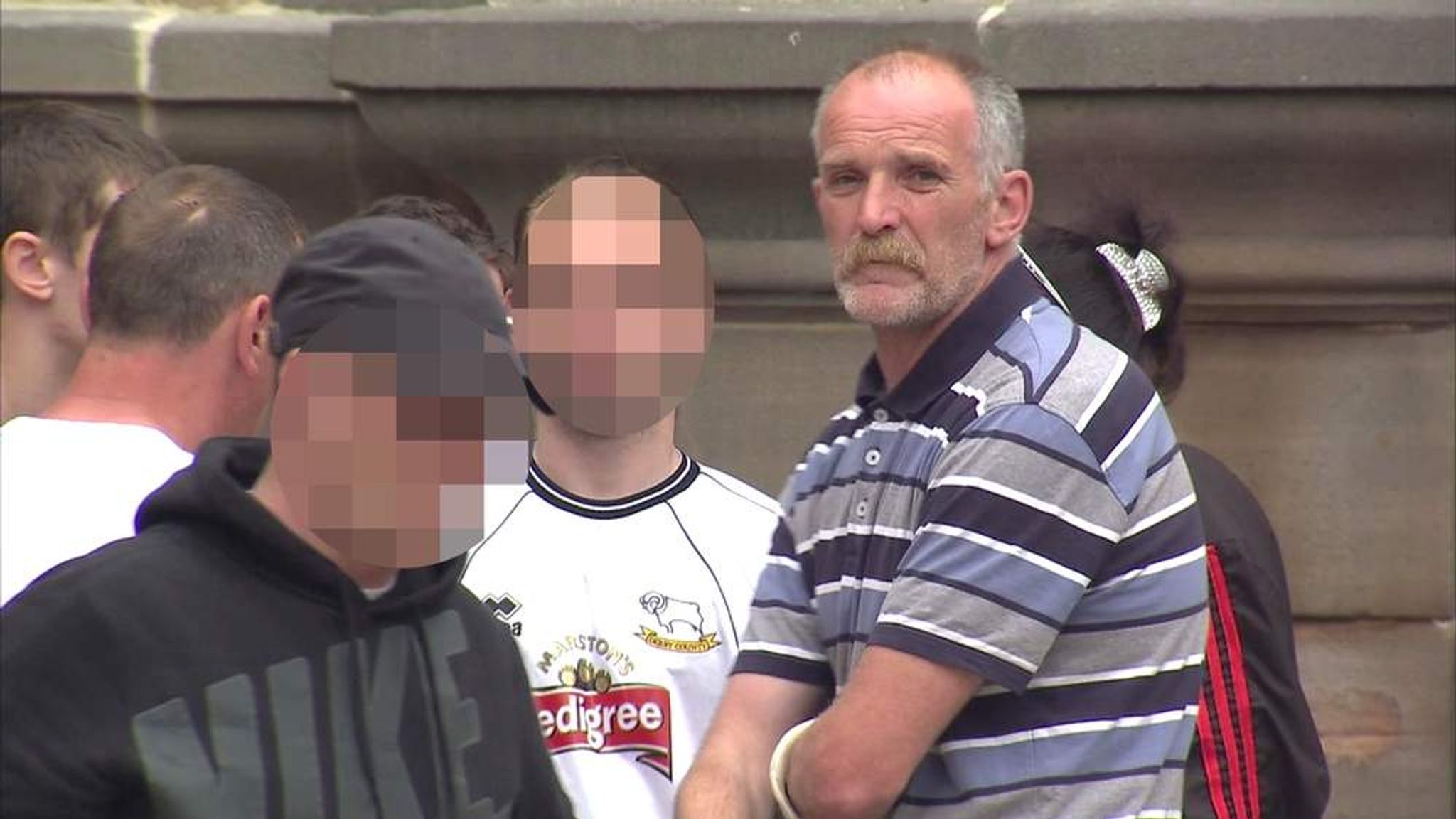
Responsibility is not erased by the passage of years or by the death of one participant. Six children lost their lives because three adults chose to set a fire in a house where those children were sleeping. The motives—custody leverage, the desire to appear heroic, personal loyalty, or something darker—were examined at trial and found sufficient for conviction. What has never fully settled is the public’s sense that the consequences have been unevenly distributed. Mosley’s death removes him from further scrutiny. It does not resolve the questions that still surround Mick’s continued imprisonment and possible future release, or Mairead’s life outside.
The case has always been about more than the legal categories of manslaughter and sentence length. It is about the deliberate endangerment of children, the calculated attempt to manipulate public perception, and the long shadow that follows when a plan of that nature succeeds only in killing the very people it claimed to protect. Paul Mosley’s death has returned those issues to the surface. Mick Philpott remains alive and still subject to the processes of the criminal justice system. Mairead Philpott remains free. The debate about what justice required, and what it has delivered, shows no sign of ending.