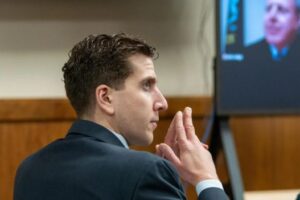
**NEW FOOTAGE FROM THE POLICE REVEALS SURPRISING DETAILS ABOUT THE CRIME SCENE IN IDAHO. HOW DID BRYAN KOHBERGER BETRAY THE INVESTIGATION, BASED ON CLUES SUPPOSEDLY DESIGNED TO CONCEAL THE TRUTH?**
New images and investigative materials released by police have reportedly revealed more perspectives on the crime scene, prompting further analysis of how investigators meticulously followed each clue to reconstruct the events of the case.
Analysis of the investigation files suggests that seemingly harmless or misleading details actually helped investigators connect crucial links. What actually caused the seemingly well-thought-out plan to gradually reveal its weaknesses?
Bryan Kohberger was convicted through a guilty plea of murdering four University of Idaho students—Madison Mogen, Kaylee Goncalves, Xana Kernodle and Ethan Chapin—on November 13, 2022. He received four consecutive life sentences. The case against him rested on a chain of physical, digital and surveillance evidence that survived what prosecutors described as deliberate efforts to erase traces of the crime. Those efforts, rather than shielding him, ultimately supplied investigators with some of their strongest leads.
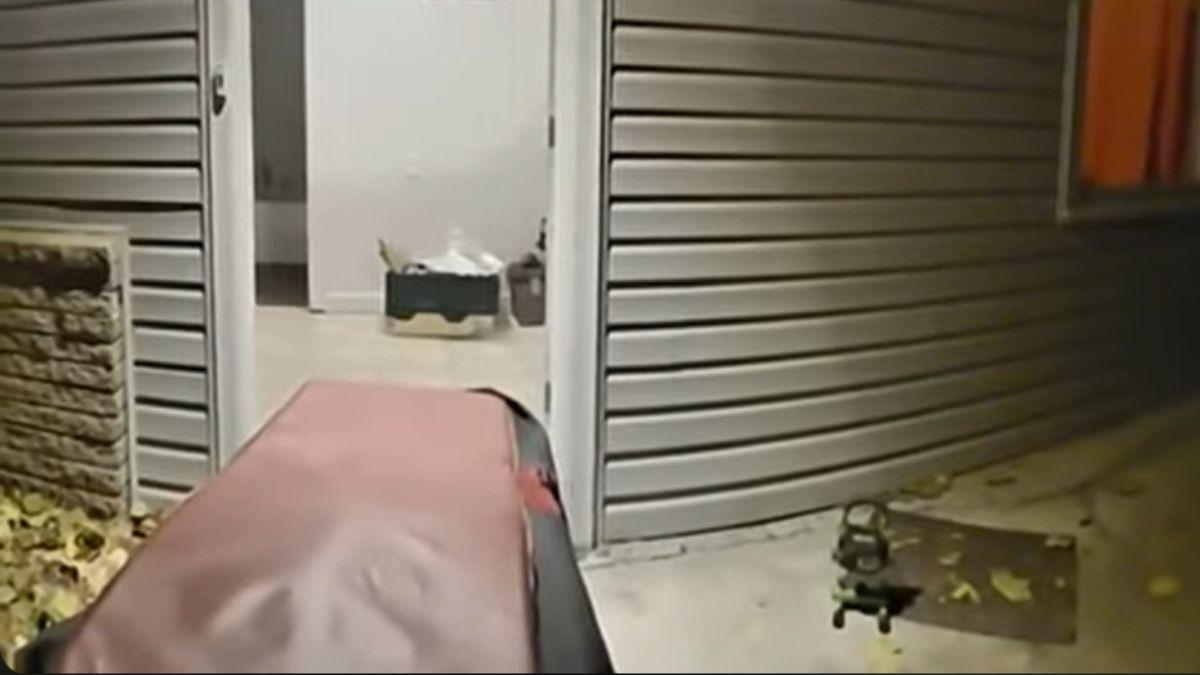
The most consequential item left at the scene was a Ka-Bar knife sheath found on the bed next to Madison Mogen’s body. Touch DNA recovered from the snap of the sheath belonged to a single male. That profile became the central physical link. Investigators used investigative genetic genealogy and a nighttime trash pull at the Kohberger family home in Pennsylvania to obtain a familial match. A used Q-tip recovered from the garbage contained DNA consistent with Kohberger’s father. Subsequent direct testing of Kohberger confirmed the statistical match. The sheath, an object that should never have remained behind if the exit had been as controlled as the entry, became the evidence that identified him.
Digital behavior supplied the second major vulnerability. Kohberger’s phone had connected to cell towers near the King Road house on multiple occasions in the months before the murders, often in the late-night and early-morning hours. On the night of the killings the phone stopped transmitting around 2:47 a.m. near his Pullman apartment and remained silent until 4:48 a.m., when it reappeared south of Moscow. The gap is consistent with the device being powered off during the critical window. Hours later the phone returned briefly to the vicinity of the crime scene before Kohberger left the area for good. Turning the phone off may have been intended to prevent tracking; the resulting absence of data, combined with the prior pattern of presence, instead drew investigative attention.
Surveillance cameras completed the picture. A white Hyundai Elantra matching Kohberger’s vehicle was recorded making several passes along the dead-end street in the hours before the attack and was captured speeding away afterward, nearly losing control at a corner. The car’s movements aligned with the phone data. After the murders Kohberger cleaned the vehicle so thoroughly that prosecutors later described the interior as “essentially disassembled.” The extreme cleanliness itself became suspicious. A vehicle that had been driven that night and then stripped of ordinary residue stood out precisely because it lacked the expected traces. He also changed the car’s registration from Pennsylvania to Washington, an action that altered the license-plate profile investigators were searching for but could not erase the earlier sightings.
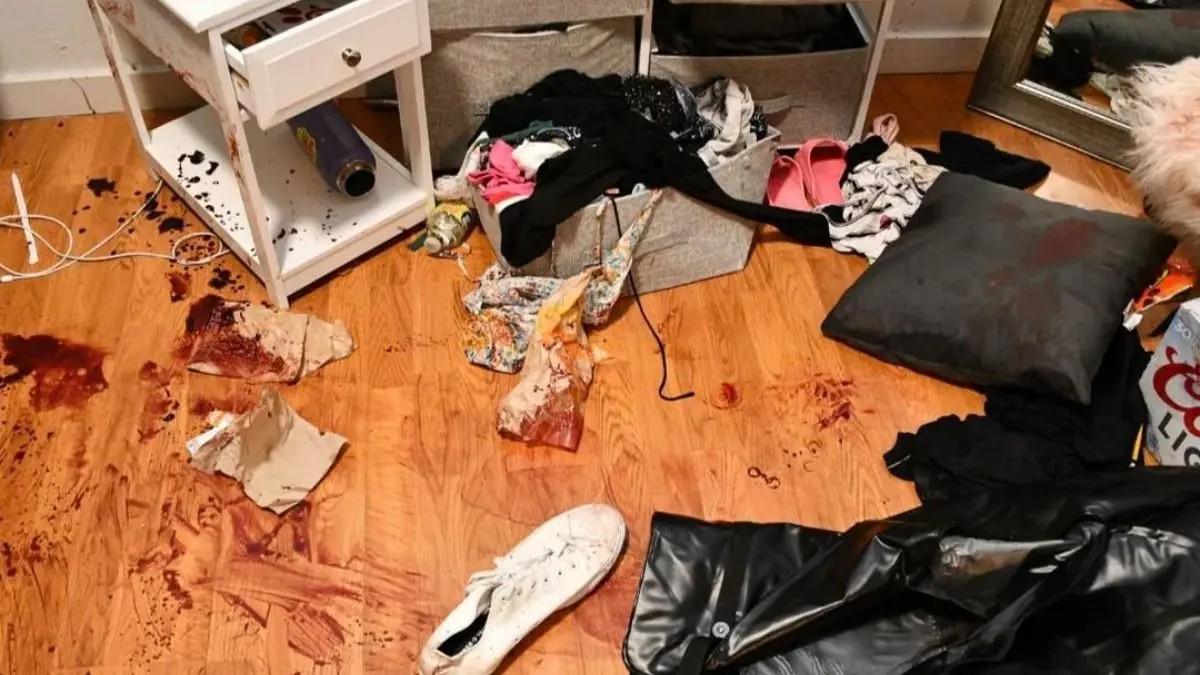
These elements formed a reinforcing loop. The sheath provided DNA. The DNA pointed to a family in Pennsylvania. The family connection led to the white Elantra already visible on neighborhood cameras. The cameras and cell-tower records placed the same phone and vehicle near the house both before and after the crime. Attempts to sanitize electronics and pay with cash in the following weeks only added to the pattern of post-offense behavior that investigators documented.
What appears in retrospect as a calculated plan contained several points of failure. Leaving the sheath was the most direct. Powering down a phone creates a suspicious data gap when the same device has previously established a pattern of presence. Over-cleaning a car can erase evidence while simultaneously signaling that evidence was present to erase. Returning to the area hours later, whether from curiosity or residual uncertainty, placed the phone back in the same cell-tower sector. Each step intended to conceal instead generated a new data point that could be cross-checked against the others.
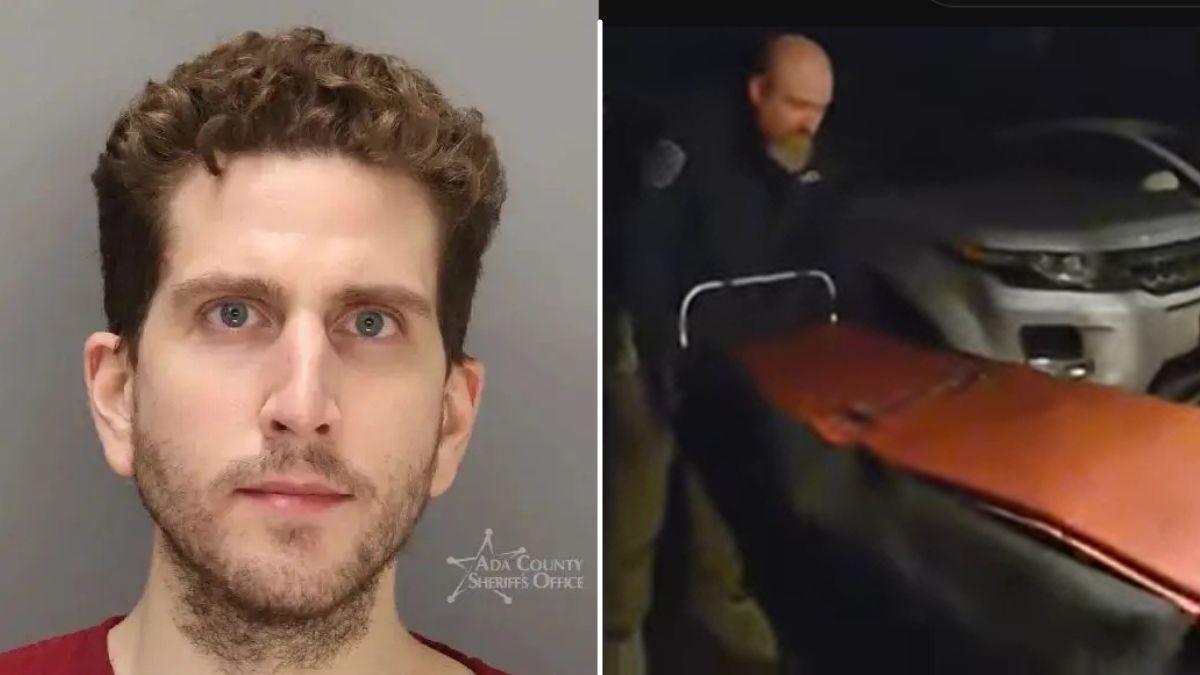
Investigators have emphasized that no single piece of evidence stood alone. The reconstruction relied on the convergence of DNA, digital location records, vehicle surveillance and the physical condition of the car. Kohberger’s background as a criminology graduate student who had studied crime-scene processing made the failures more striking to some observers. Knowledge of how evidence is collected did not prevent the critical errors that allowed that same evidence to accumulate.
The materials released after the plea have allowed the public to see more of the sequence that police followed. They show a crime scene that yielded one decisive physical object and a digital and vehicular trail that the perpetrator’s own countermeasures could not fully erase. The plan, whatever its original design, revealed its weaknesses through the very actions taken to protect it. The sheath left behind, the phone that went dark and then reappeared, the car that was cleaned beyond ordinary use—these became the links that closed the investigation.