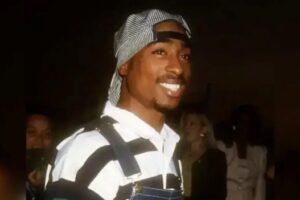
ONLY DAYS BEFORE THE NEXT CRITICAL COURTROOM SHOWDOWN: WHAT WILL PROSECUTORS REVEAL ABOUT KEFFE D AND TUPAC SHAKUR?
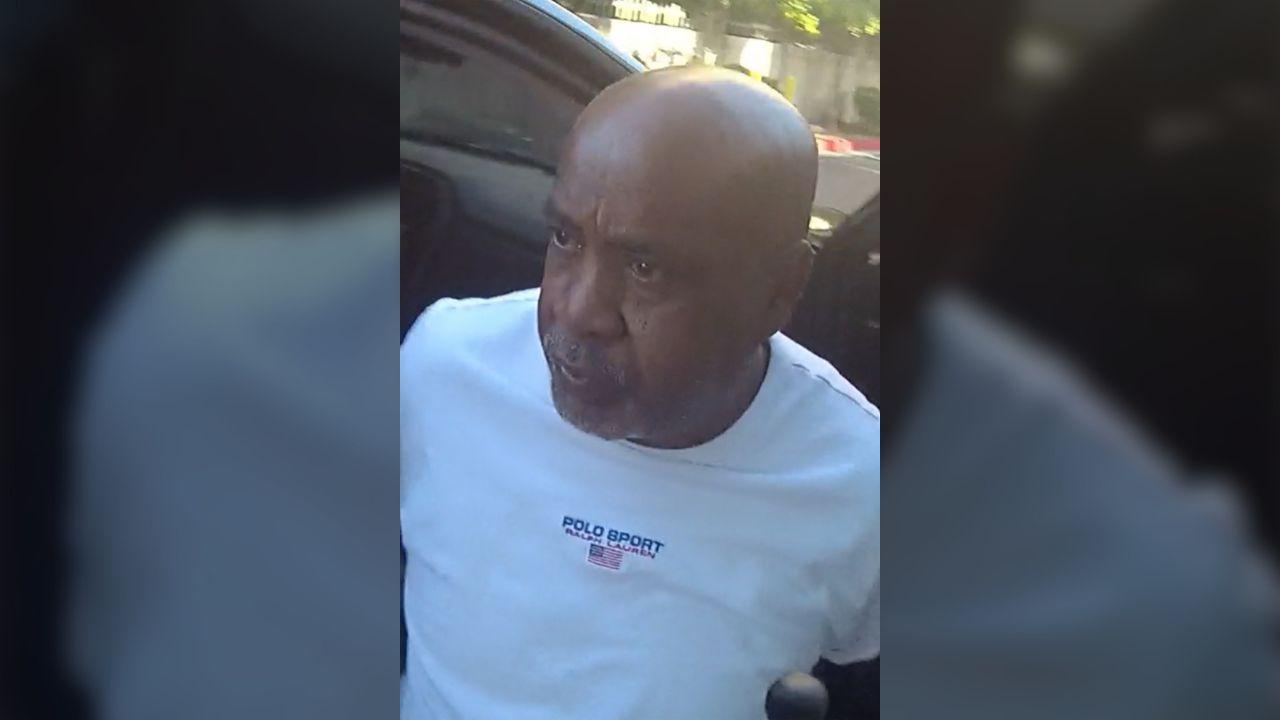
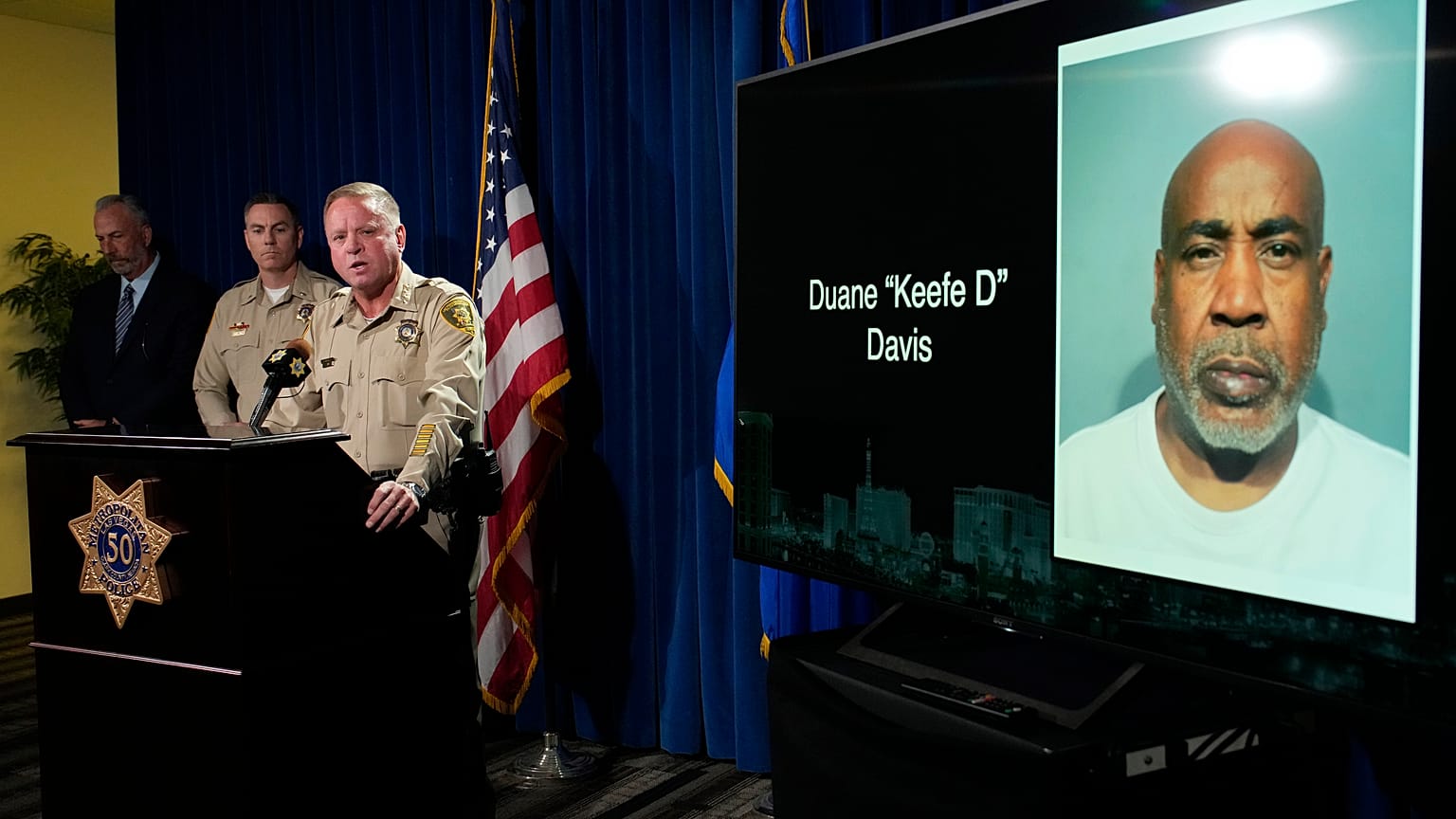
The countdown surrounding Duane “Keffe D” Davis and the Tupac Shakur murder case is becoming increasingly tense, and one seemingly ordinary document could soon become one of the prosecution’s most closely watched pieces of evidence.
Nearly three decades after Tupac was shot on the Las Vegas Strip, prosecutors are preparing to confront Davis with evidence they say challenges his attempts to distance himself from the city on the night everything happened.
It is not a newly discovered murder weapon.
It is not a previously unknown eyewitness.
It is something far less dramatic—but potentially extremely difficult to explain away.
A hotel reservation.
According to recent reporting, prosecutors have identified a reservation at the former Monte Carlo Resort in Las Vegas made in the name of Davis’s wife, Paula Clemons, around the time of Tupac’s September 1996 shooting.
Why could that matter?
Because Davis’s defense has recently attempted to cast doubt on whether he was even in Nevada when Tupac was attacked.
If prosecutors can authenticate the reservation and demonstrate that Davis was staying with his wife, the document could become independent evidence contradicting that position.
But there is an important distinction.
A hotel reservation does not prove Davis murdered Tupac.
It does not prove he obtained the weapon.
It does not prove he was inside the white Cadillac from which the shots were allegedly fired.
And it certainly does not establish who pulled the trigger.
What it could potentially establish is presence.
And in a case built partly around competing versions of events, that could become extremely important.
The story begins on September 7, 1996.
Tupac attended the Mike Tyson-Bruce Seldon fight at the MGM Grand in Las Vegas with Death Row Records co-founder Marion “Suge” Knight and others.
After the fight, surveillance footage captured Tupac and members of his entourage attacking Orlando “Baby Lane” Anderson, Davis’s nephew.
Hours later, Tupac was sitting in a BMW driven by Knight near Flamingo Road and Koval Lane when a white Cadillac approached.
Someone inside opened fire.
Tupac was struck four times and died six days later at age 25.
For decades, the murder remained officially unsolved.
Then Davis became increasingly public about what he claimed to know.
In interviews and his memoir, “Compton Street Legend,” Davis discussed the events surrounding Tupac’s killing in considerable detail.
Those statements eventually attracted enormous attention from investigators and prosecutors.
But the situation became more complicated after Davis was charged.
His defense began challenging the reliability and admissibility of those previous statements, while Davis disputed the prosecution’s version of events.
His attorney, Carl Arnold, has argued that Davis exaggerated or fabricated portions of his public storytelling.
The defense has also raised a much larger legal issue involving statements Davis made during earlier cooperation with law enforcement.
Arnold contends that Davis provided information under agreements protecting what he said from later prosecution.
That means the coming courtroom battle may involve not only what Davis said, but whether prosecutors are legally permitted to use particular statements against him.
This is exactly why independent evidence could become so valuable.
A decades-old hotel reservation does not depend upon whether Davis was telling the truth during an interview.
It does not depend upon his memoir.
It does not depend upon whether he exaggerated his role to sell books, gain notoriety or establish credibility.
It is a record created at the time.
According to reporting about the prosecution’s evidence, the reservation was under Clemons’s name, which may explain why its significance was not immediately recognized during earlier investigations.
Investigators looking for gang members connected to the events of September 1996 would have had little obvious reason to focus on her name.
Decades later, that connection suddenly looks different.
Prosecutors reportedly believe the reservation helps place Davis and his wife in Las Vegas during the crucial period.
They have also pointed to a statement Davis allegedly made to a homicide detective in 2009 acknowledging that he was in Las Vegas for the Tyson fight.
If both pieces of evidence reach jurors, prosecutors could attempt to create a damaging contradiction.
On one side would be Davis’s present effort to distance himself from Las Vegas.
On the other would be an old hotel record and his own alleged earlier acknowledgment.
That does not automatically establish guilt.
But prosecutors may argue that it raises an obvious question:
Why would his account change?
The defense will have opportunities to attack that interpretation.
A reservation made in Clemons’s name does not, standing alone, prove Davis personally checked into the hotel.
His lawyers could demand evidence identifying who actually occupied the room.
They could question the completeness and reliability of records that are nearly thirty years old.
They could also argue that being in Las Vegas is fundamentally different from participating in a murder.
That last distinction may be particularly important.
Thousands of people were in Las Vegas for the Tyson fight.
Merely proving Davis was among them would not establish that he helped arrange Tupac’s killing.
Prosecutors therefore need something larger.
Their strategy may involve constructing a chain in which individual pieces reinforce one another.
First comes Davis’s alleged presence in Las Vegas.
Then comes the MGM Grand confrontation involving his nephew.
Then the movements following that altercation.
Then the white Cadillac.
Then the shooting.
Then come Davis’s own statements years later describing what allegedly occurred.
The prosecution will attempt to persuade jurors that these are not disconnected coincidences but pieces of one coherent sequence.
The defense will try to dismantle that sequence piece by piece.
And this is why the apparently mundane hotel reservation could receive enormous attention.
The Tupac investigation has been surrounded by sensational theories for almost thirty years. People have searched for secret witnesses, hidden conspiracies and dramatic new evidence.
Yet one of the most consequential exhibits could ultimately be nothing more exotic than an old reservation record.
There is also a psychological dimension to revealing evidence like this before a major courtroom confrontation.
Once the defense knows prosecutors possess documentary evidence that could contradict part of its narrative, attorneys must prepare an explanation before jurors ever see it.
Is the reservation authentic?
Who made it?
Who paid?
Who checked in?
Who stayed inside the room?
Can anyone independently connect Davis to it?
Those details could determine whether the reservation becomes devastating evidence or merely another disputed fragment of a decades-old case.
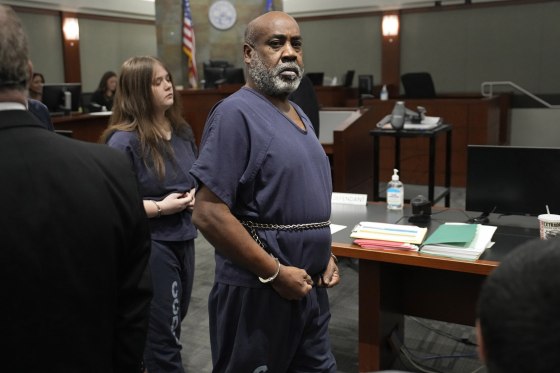
Davis has pleaded not guilty and remains presumed innocent. Prosecutors still carry the burden of proving the murder charge beyond a reasonable doubt.
But after decades dominated by conflicting stories, prosecutors may now be trying to move the case away from memory and toward documentation.
And that is what makes the latest development potentially dangerous for the defense.
The biggest revelation may not be something investigators discovered yesterday.
It may be something that existed quietly for nearly thirty years.
A name.
A hotel.
A reservation.
And a date that could force Davis to explain where he really was during the final hours before Tupac Shakur was shot.
Whether that evidence changes the outcome will ultimately depend on what prosecutors can authenticate and what jurors believe.
But one thing is certain: when this case returns to the courtroom, the battle will no longer be about decades of rumors.
It will be about what can actually be proved.