Toto Wolff has cautioned that Mercedes may need to moderate future on-track contests between their drivers Kimi Antonelli and George Russell following a tense and dramatic duel at the Canadian Grand Prix. The pair engaged in their first significant intra-team battles of the season during a highly eventful Sprint weekend in Montreal. While the racing provided thrilling entertainment for fans, the closeness of their fights raised concerns within the team about potential risks.
The conflicts began in Saturday’s Sprint race and carried over into Sunday’s main Grand Prix. In both sessions, the Mercedes teammates made minor contact as they fought aggressively for position. The intensity peaked in the Grand Prix, where Antonelli and Russell staged a compelling lead battle until a power unit issue for Russell ended the duel after approximately 30 laps. Prior to the Canadian event, the two drivers had not experienced such direct and serious on-track confrontations this season, making the weekend a notable milestone in their growing rivalry.
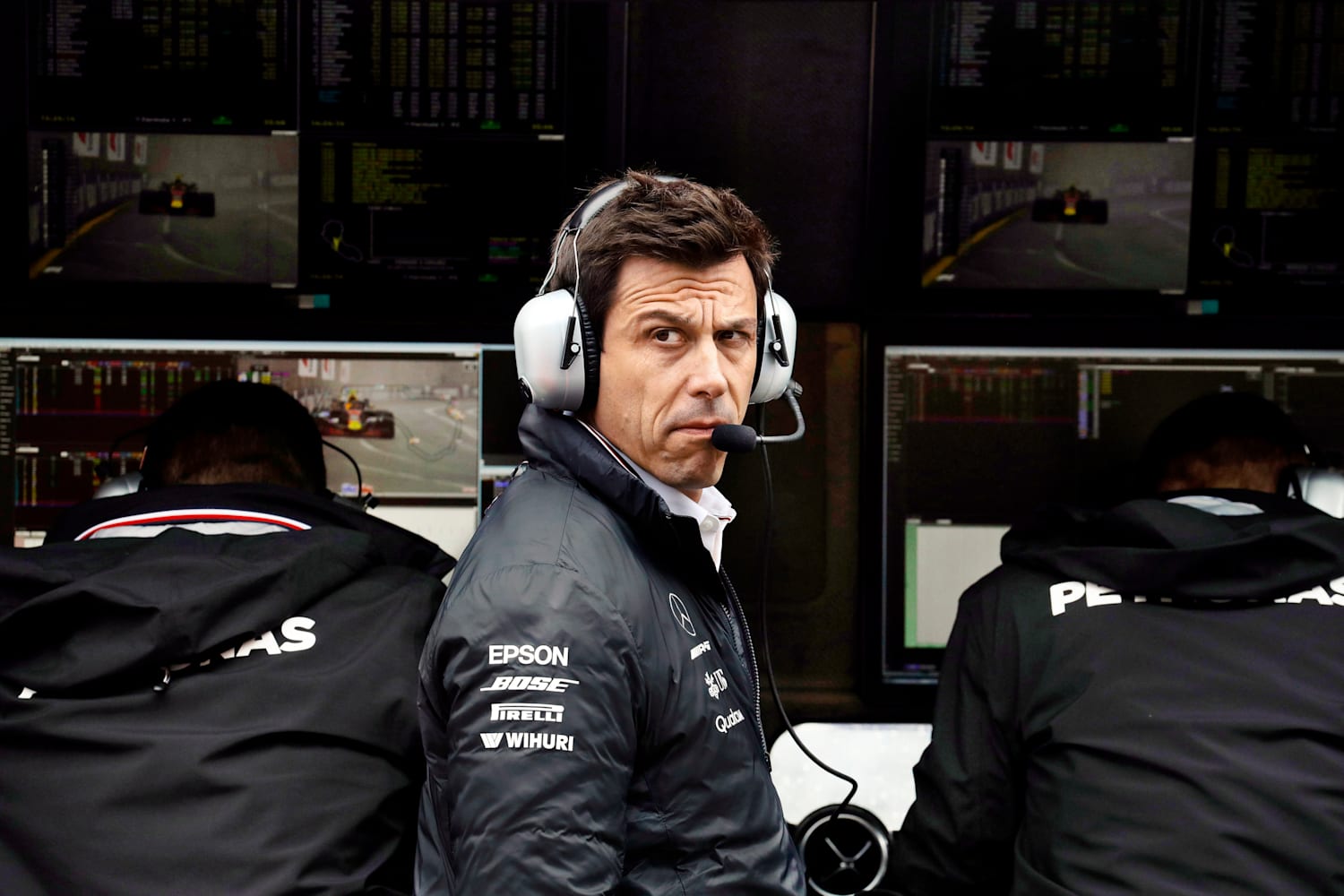
Mercedes team principal Toto Wolff acknowledged the excitement generated by the battles but emphasized the need for caution moving forward. He indicated that the team might instruct the drivers to ease the aggression levels slightly in future encounters to protect both the drivers and the team’s overall performance. Wolff plans to review specific moments from the race with Antonelli and Russell, highlighting instances where the fighting came dangerously close to disaster.
Details of the On-Track Duels and Close Calls
The Sprint race on Saturday set the tone for the weekend. Antonelli expressed dissatisfaction with Russell’s defensive maneuvers during the shorter contest. Despite a discussion between the two drivers ahead of the main Grand Prix, the level of aggression did not diminish. On Sunday, the battle remained fierce throughout the early stages. At one point, Antonelli came very close to running into the back of Russell’s car, while the pair also touched wheels at the final chicane.
These incidents prompted Wolff to reflect on the balance between competitive racing and unnecessary risk. “It’s always easy at the end now to say, ‘well, that was great for the team and great for the sport, didn’t we all enjoy watching the battling?’ That is true to a degree, but there is another side which we need to look at, that it was close a few times,” he explained.
Wolff specifically pointed to situations where small errors could have led to severe consequences. “Kimi tucking back in and locking the tyres could have ended up in a double DNF and not because of over-aggressive driving, simply by a mistake. The same through the last chicane with that situation.” He stressed the importance of analyzing the race in detail and discussing with the drivers whether certain moments felt too close for comfort.

The Canadian weekend highlighted the evolving dynamic between the experienced Russell and the young talent Antonelli. As Mercedes’ drivers, they are expected to push each other hard while prioritizing the team’s best interests. The minor contacts in both the Sprint and the Grand Prix served as reminders of how quickly intra-team battles can escalate. Although no major damage occurred, the proximity of the cars during high-speed sections of the Circuit Gilles Villeneuve created tense moments for the team.
Team Strategy and Lessons for Future Races
Wolff’s comments reflect a pragmatic approach to managing driver rivalries within a top Formula 1 team. While healthy competition can drive performance improvements and deliver exciting racing, unchecked aggression risks costly retirements or damaged relationships. Mercedes has historically managed intra-team dynamics carefully, and the Canadian Grand Prix appears to have prompted a timely review of those protocols.
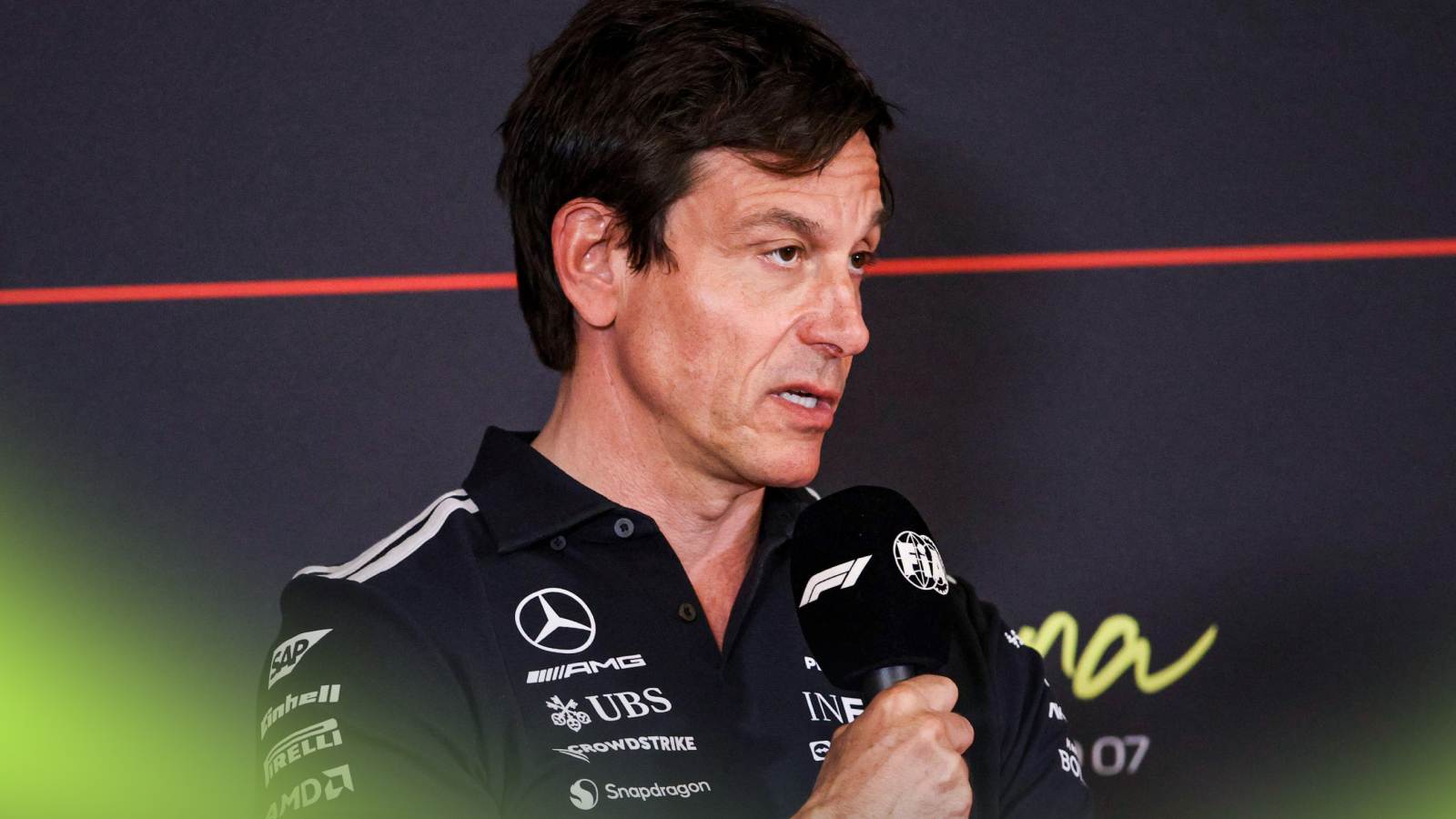
The team principal made it clear that the organization will focus on identifying ways to avoid “very, very tough situations” where the fighting becomes excessively close. This may involve clearer guidelines on defensive driving, communication protocols during races, or strategic team orders in specific scenarios. The goal is not to eliminate battling entirely but to ensure it remains within safe and sustainable boundaries that protect the team’s championship aspirations.
Looking ahead, the upcoming Monaco Grand Prix on June 5-7 will provide another important test. With its narrow streets and limited overtaking opportunities, Monaco often amplifies the challenges of close racing. Mercedes will likely use the lessons from Canada to prepare both drivers for the unique demands of the Principality circuit. Fans can watch the event live on Sky Sports F1.
Antonelli, as one of the sport’s brightest young prospects, brings raw speed and fearlessness to the partnership. Russell, with his greater experience, provides stability and consistency. When these qualities combine in wheel-to-wheel combat, the results can be spectacular for spectators but demanding for the team to manage. Wolff’s willingness to address the issue publicly demonstrates strong leadership and a focus on long-term success rather than short-term thrills.
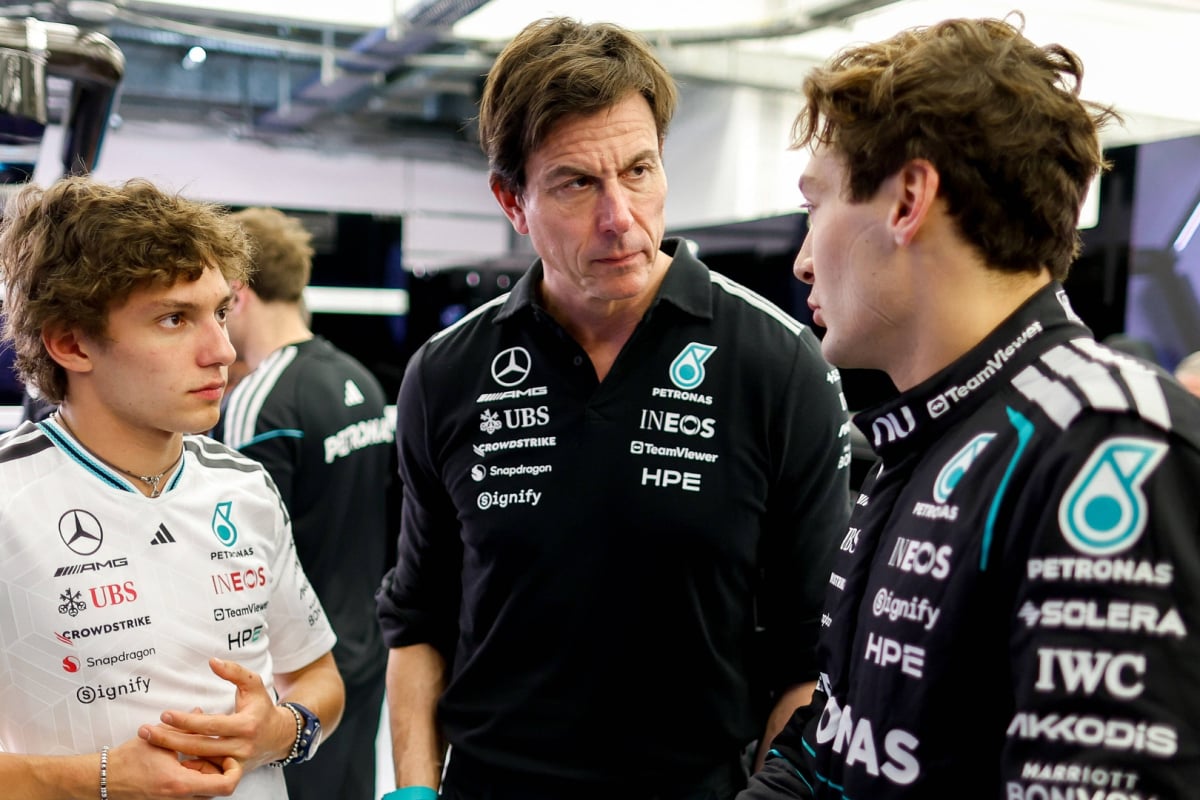
The Canadian Grand Prix weekend ultimately delivered strong entertainment value, showcasing Mercedes’ competitive pace. However, the internal review process now underway will aim to refine how Antonelli and Russell race each other in the future. By dialing future battles “down a notch,” as Wolff suggested, the team hopes to maintain their fighting spirit while minimizing unnecessary risks.
This situation also underscores broader themes in modern Formula 1. As the grid becomes increasingly competitive and cars continue to evolve, managing driver rivalries effectively becomes crucial for sustained success. Teams like Mercedes must strike the right balance between encouraging hard racing and safeguarding their drivers and machinery.
For both Antonelli and Russell, the experience in Canada represents valuable growth. Learning to push limits without crossing them is an essential skill for any aspiring champion. Under Wolff’s guidance, the Mercedes duo has the opportunity to develop into an even stronger pairing that can challenge for victories and championships while avoiding the pitfalls that can derail a season.
As the Formula 1 calendar progresses, all eyes will be on how Mercedes implements the insights gained from Montreal. The team’s ability to learn from these close calls could prove decisive in the battles ahead against rivals like Ferrari and McLaren. Toto Wolff’s measured response signals a team that is both ambitious and responsible, determined to extract the best from its drivers without compromising their collective goals.