The Evolution and Emotional Weight of the Dutch Grand Prix’s Final Chapter
The landscape of modern Formula 1 is often defined by a delicate balance between tradition and commercial expansion. No event in recent memory epitomizes this intersection more vividly than the Dutch Grand Prix at Zandvoort. As the sport prepares to descend upon the dunes of the North Sea coast once more, a bittersweet atmosphere permeates the paddock. Max Verstappen, the local hero and the primary catalyst for the race’s spectacular revival, has recently shared his reflections on the news that this iconic event is set to conclude its current tenure on the global calendar. For fans and the driver alike, the announcement marks the end of a brief but incredibly intense era that redefined what a “home race” could look like in the 21st century.
Zandvoort’s history with Formula 1 is both deep and intermittent. The circuit first welcomed the roar of engines in 1950, eventually becoming a cornerstone of the World Championship in 1952. For decades, it was a staple of the European leg, known for its challenging layout and the unpredictable coastal weather. However, like many historic venues, it fell victim to the evolving safety and infrastructure standards of the sport, leading to a long 36-year hiatus that began after the 1985 season. For more than a generation, the idea of a Grand Prix in the Netherlands seemed like a relic of the past, until the meteoric rise of Max Verstappen transformed the Dutch sporting landscape. His unprecedented success didn’t just create a new fan base; it birthed the “Orange Army,” a traveling phenomenon that eventually forced Formula 1 to return to his doorstep in 2021.
The return of Zandvoort was more than just a logistical achievement; it was a cultural explosion. Since its comeback, the event has become synonymous with a festival-like atmosphere, blending high-stakes motorsport with a level of fan engagement that has set a new benchmark for promoters worldwide. Verstappen has been the focal point of this madness, delivering under immense pressure to secure victories in front of his compatriots. Yet, the news that the race will once again drop off the schedule—at least for the foreseeable future—has cast a shadow over the upcoming weekend. Verstappen’s reaction, characterized by his trademark bluntness and pragmatism, underscores a sense of “shame” that such a vibrant chapter is closing. He recognizes that while the sport moves on to new horizons, the loss of Zandvoort represents the removal of one of the calendar’s most atmospheric and soul-stirring venues.
Verstappen’s Perspective on a Bittersweet Farewell
When addressing the media regarding the impending departure of his home race, Max Verstappen’s sentiments were a mix of professional regret and personal acceptance. While the term “shame” was at the forefront of his response, it was not uttered with bitterness, but rather with a nostalgic appreciation for what has been achieved over the last few seasons. Verstappen has long been aware of the shifting tides in Formula 1’s scheduling, where European classics are often under pressure from lucrative street circuits in emerging markets. For him, the Dutch Grand Prix was never just another weekend on the itinerary; it was a personal milestone and a tribute to the fans who have supported him since his debut as a teenager.
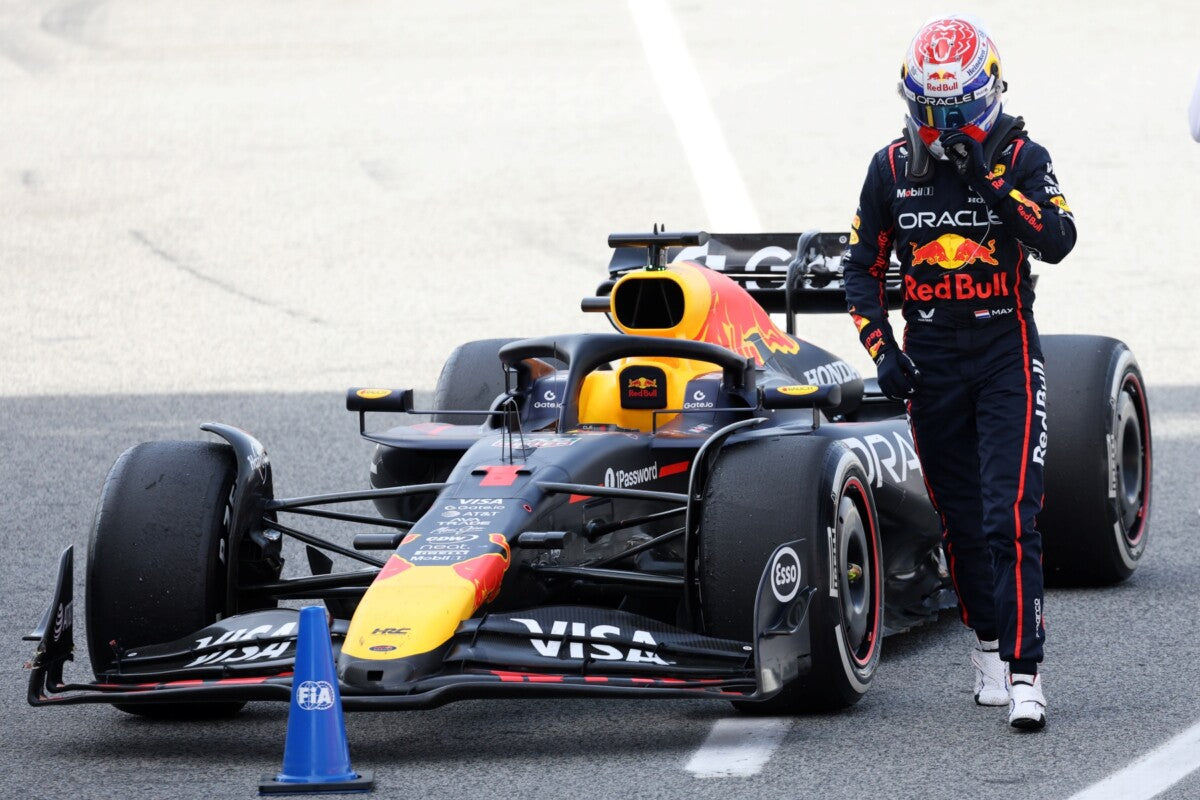
Verstappen’s focus, however, remains squarely on the track. Reflecting on his recent performances, particularly a frustrating outing in Hungary, he expressed a sharp desire to provide his fans with a superior show for this final F1 appearance at the dunes. The competitive drive that has made him a multi-time World Champion is intertwined with his desire to honor the home crowd. He acknowledges that the energy provided by the “Orange Army” is a unique motivator, one that he hopes will translate into a dominant performance to bookend his Zandvoort legacy. Despite the disappointment of the race leaving the calendar, Verstappen remains pragmatic about the circuit’s future. He pointed out that while Formula 1 might be moving elsewhere, the asphalt of Zandvoort is not going anywhere. The track will continue to host various other racing series and remains a favorite destination for track days, where Verstappen himself intends to continue driving.
This perspective reveals a side of Verstappen that is often overlooked: his pure love for driving regardless of the prestige of the event. He noted that the track will remain a place of joy for him, even if the grandstands aren’t filled with 100,000 fans clad in orange for a Grand Prix. The Dutch driver praised the immense effort put in by the organizers and the local community to modernize the facility and host an event that served as a blueprint for entertainment in modern motorsport. By integrating music, local culture, and seamless fan experiences, Zandvoort proved that a “traditional” circuit could offer as much—if not more—spectacle than the glitziest new street tracks. For Verstappen, the “shame” lies in the loss of that shared experience with the fans on the highest stage of racing, even if his personal connection to the circuit remains unbroken.
The Lasting Legacy of the Zandvoort Revival
As Formula 1 prepares to say goodbye to the Dutch Grand Prix once again, it is essential to analyze the profound impact this race has had on the sport during its short-lived return. The revival of Zandvoort was widely seen as a gamble; the track was considered too narrow for modern, wide-bodied F1 cars, and the infrastructure was thought to be lagging behind. However, the implementation of innovative features, such as the steep banking in the final corners, provided a technical challenge unlike anything else on the calendar. These modifications not only facilitated better racing but also gave the circuit a unique identity that respected its heritage while embracing modern engineering.
The legacy of the Dutch Grand Prix will likely be measured by how it changed the “fan experience.” Before Zandvoort’s return, many European races were criticized for being somewhat stagnant or overly formal. The Dutch organizers threw out the old playbook, creating a high-energy, concert-like environment that kept the audience engaged from the early morning until long after the engines had cooled. This “Zandvoort Model” has since been emulated by other promoters seeking to capture a younger, more diverse demographic. The loss of this event creates a void in the calendar that will be difficult to fill with purely commercial ventures. It served as a reminder that the heart of Formula 1 still beats strongest in places where the fans have a deep-seated, generational passion for the sport.
Ultimately, the departure of the Dutch Grand Prix is a testament to the brutal reality of the sport’s global demand. With only a limited number of slots available each year, even the most successful and atmospheric races are not guaranteed a permanent spot. For Max Verstappen, this final weekend is an opportunity to cement his status as the undisputed king of the dunes. He leaves behind a record of brilliance at Zandvoort, but more importantly, he leaves behind a standard of excellence for what a national sporting event can achieve. While the “Orange Army” may have to travel further afield to see their hero in the future, the echoes of their cheers in the North Sea wind will remain a part of Zandvoort’s legend long after the Formula 1 circus has left the paddock for the last time. The track remains, the memories are etched in history, and as Verstappen noted, the joy of the drive continues, regardless of the series.