Simon Levy’s conviction for murdering two women has exposed a deeply troubling series of failures across the British criminal justice system, after police and prosecutors admitted that mistakes allowed the convicted sex offender to remain free while his attacks continued to escalate.
Levy, 40, was found guilty at the Old Bailey of murdering Carmenza Valencia-Trujillo in March 2025 and Sheryl Wilkins five months later. He was also convicted of raping and seriously assaulting another woman in January 2025, in an attack that prosecutors said left her fighting for her life.
The verdict brings an end to a case that has raised increasingly serious questions about whether authorities had enough opportunities to intervene before Levy killed again.
Police had arrested Levy in connection with the murder of Valencia-Trujillo, 53, but released him after investigators said they could not establish sufficient evidence of third-party involvement in her death. He was subsequently free to continue offending.
Before Wilkins was killed, Levy sexually assaulted five women on trains in London, according to evidence presented during his trials.
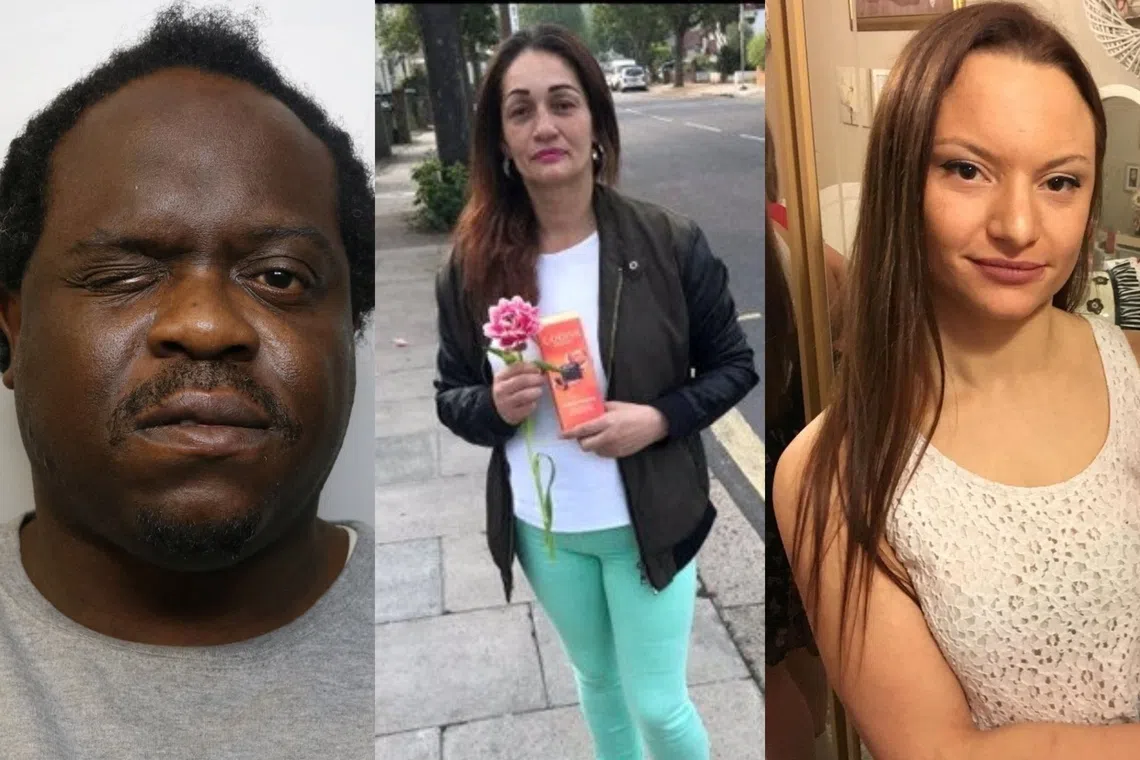
The Metropolitan Police has acknowledged shortcomings in its handling of Levy and has referred itself to the Independent Office for Police Conduct over the way he was managed as a registered sex offender.
The force also admitted that it had downgraded Levy’s risk classification from high to medium in 2024, a decision that is now under scrutiny.
Deputy Assistant Commissioner Kevin Southworth said the case had left police questioning whether Wilkins could have been saved.
Speaking about the failures surrounding Levy, Southworth said he believed Wilkins may still have been alive if the criminal justice system had acted differently.
He also apologised to her family, acknowledging the devastating consequences of a series of missed opportunities.
The Met’s decision to refer itself to the police watchdog is one of several investigations and reviews now surrounding the case.
Levy’s offending had already been known to authorities for years before the two murders.
He was convicted earlier this year of sexually assaulting 10 women on London trains between October 2023 and May 2025. Six of those attacks occurred during the first months of 2025, when his offending was becoming increasingly frequent.
He was also convicted of sexually assaulting a female prison officer in April 2022, after previously being jailed for a sexual offence dating back to 2018.
Rather than representing an isolated episode, the evidence presented in court revealed a continuing pattern of sexual violence that crossed several parts of the criminal justice system.
British Transport Police had arrested Levy on multiple occasions over attacks on trains. However, prosecutors and police now accept that delays and failures in handling information contributed to him remaining on bail.
Lisa Ramsarran of the Crown Prosecution Service acknowledged that relevant information concerning Levy’s bail had not been presented to the court.
“Our actions fell short of the standards that victims, families and the public are entitled to expect,” she said.
The admission is particularly significant because Levy was not simply an individual with no previous history known to authorities.
By the time of the murders, he had already accumulated convictions for sexual offences and was being investigated over further allegations.
Yet information that could have helped courts assess the potential danger he posed was not consistently brought together.
The result was that Levy remained free during a period when his offending was escalating.
British Transport Police has also accepted responsibility for shortcomings in its investigation.
Assistant Chief Constable Charlie Doyle said the force’s initial investigation had not been carried out quickly enough.
The BTP has since amended its procedures, saying the changes are intended to ensure repeat offenders are dealt with more quickly and that linked offences are prioritised more effectively.
The force’s role is under particular scrutiny because several of Levy’s offences were committed against women travelling on London’s transport network.
His earlier convictions ultimately revealed a pattern that stretched across multiple victims, locations and incidents.
But investigators did not immediately connect all of those incidents quickly enough to prevent further offending.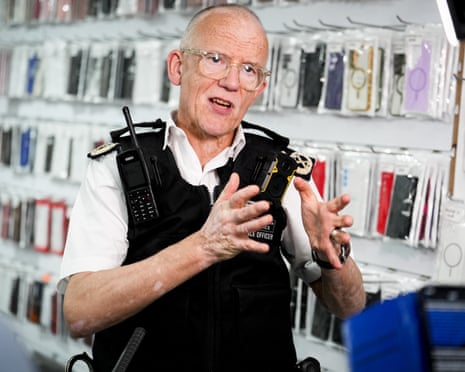
The murder of Valencia-Trujillo became another critical point in the investigation.
Police arrested Levy in April 2025 on suspicion of killing her. However, the Met later said a post-mortem examination could not establish a definitive cause of death.
Without sufficient evidence to confirm third-party involvement, officers released Levy.
That decision meant he was again free to move around London despite the growing allegations against him.
He subsequently attacked further women before murdering Wilkins in August.
The sequence has left investigators facing difficult questions about how evidence was assessed and how information was shared between police forces, prosecutors and courts.
It has also raised questions about the systems used to monitor people already identified as posing a potential risk to the public.
The Met’s referral to the IOPC specifically includes scrutiny of the decision to reduce Levy’s risk level from high to medium in 2024.
For a registered sex offender with a history of violence, that decision is now being examined against the backdrop of his subsequent crimes.
The case has attracted attention from senior government figures.
Sarah Jones, Britain’s crime and policing minister, welcomed the IOPC investigation and said the events surrounding Levy’s offending demanded urgent scrutiny.
“The fact that Levy was able to inflict such devastating harm after being freed by police and the courts is deeply concerning,” Jones said.
“It raises serious questions that require urgent answers.”
Those questions extend well beyond the individual decisions made by one police officer or prosecutor.
Levy’s case involved the Metropolitan Police, British Transport Police, the Crown Prosecution Service and the courts. Each organisation held pieces of information about his behaviour, previous convictions and alleged offending.
The tragedy was that those pieces did not appear to come together effectively enough to stop him.
For the families of the women killed, the consequences of those failures cannot be reversed.
Valencia-Trujillo had been 53 when she was murdered in March 2025. Wilkins was 39 when she was killed five months later.
Their deaths came after Levy had already demonstrated a willingness to repeatedly target women, including vulnerable victims.
The separate conviction relating to the third woman attacked in January provided further evidence of the severity of his behaviour.
Levy was convicted of rape, causing grievous bodily harm with intent and intentional strangulation in relation to that attack.
He was also convicted of the murder charges, meaning he now faces a life sentence.
The case has nevertheless moved beyond the question of Levy’s punishment.
With the IOPC investigation underway and both police and prosecutors acknowledging mistakes, attention is turning toward whether the criminal justice system can identify what went wrong and prevent similar failures from happening again.
For the Metropolitan Police, the decision to refer itself to the watchdog represents a recognition that its handling of Levy requires independent examination.
For British Transport Police, changes to investigative procedures are intended to prevent repeat offenders from benefiting from delays.
And for the CPS, the admission that important bail information was not provided to the court has placed renewed focus on how prosecutors assess and communicate risk.
The most disturbing element of the case is the number of opportunities that existed before the second murder.
Levy had a criminal history. He had already been convicted of sexual offences. He had been accused of further attacks. He had been arrested by police. He had been investigated over rape and murder. He had been monitored as a registered sex offender.
Yet he remained in a position to continue offending.
The conviction may finally have stopped Levy from harming another woman, but it cannot erase the failures that preceded it.
Now, as investigators and officials examine what happened, the central question is no longer simply how Levy was able to commit such horrific crimes.
It is why so many warnings failed to trigger an effective intervention — and whether the lessons from his case will lead to meaningful changes before another dangerous offender is given the opportunity to escalate from sexual violence to murder.