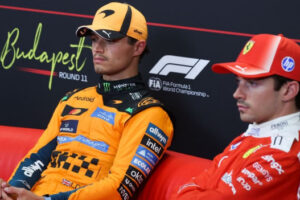
Lewis Hamilton Immortalised at Hungaroring as Turn Two Named in Honour of Formula 1 Legend
Lewis Hamilton has received a lasting tribute at the Hungarian Grand Prix, with Turn Two at the Hungaroring officially named after the seven-time world champion. The decision recognises Hamilton’s extraordinary record at the Budapest circuit, where he holds the distinction of being the most successful driver in the event’s history with eight victories and nine pole positions. The honour places the British star alongside some of Formula 1’s greatest names in a permanent feature of the track.
The naming of the corner was determined through a combination of fan voting and input from a panel of experts. As part of the anniversary commemorations at the circuit, Hamilton has left his handprints in concrete, which will be permanently installed in the run-off area. The gesture ensures that his connection to the Hungaroring will remain visible for future generations of fans and drivers.
Hamilton Joins Elite Group of Honoured Drivers
Hamilton is not the only driver to receive recognition during the current commemorations. Nigel Mansell and Jean Alesi have also had corners named in their honour, with both leaving their handprints to be cast in concrete alongside Hamilton’s. The tributes form part of a broader effort to celebrate the history of the Hungarian Grand Prix and the drivers who have left a lasting mark on the event.

The Hungaroring already features commemorations for two of Formula 1’s most iconic figures. Ayrton Senna is honoured at Turn 13, while Michael Schumacher, who secured his fourth world championship at the circuit in 2001, is commemorated at Turn 12. Hamilton’s addition to this distinguished group underlines the scale of his achievements in Hungary and his status as one of the sport’s all-time greats.
Hamilton responded to the fans’ decision in the best possible way on track, topping the timesheets in second practice ahead of his Ferrari teammate Charles Leclerc. The performance provided an early indication of his competitive form ahead of the remainder of the Hungarian Grand Prix weekend.
Unparalleled Success at the Hungaroring
Hamilton’s record at the Hungarian Grand Prix stands as one of the most impressive in Formula 1. Eight wins and nine pole positions demonstrate a consistency and mastery of the tight, twisty Hungaroring layout that few drivers have matched. The circuit’s unique characteristics, which place a premium on precision, tyre management, and qualifying performance, have often suited Hamilton’s driving style.
Over the years, the British driver has produced some of his most memorable performances in Budapest. Whether racing for McLaren or Mercedes, and now with Ferrari, he has repeatedly found a way to extract the maximum from his machinery around the 4.381-kilometre track. The decision to name Turn Two in his honour serves as formal recognition of that sustained excellence.
For Hamilton, the tribute carries particular significance as he continues his career with Ferrari. While his focus remains on competing at the highest level and challenging for race victories, the permanent honour at a circuit where he has enjoyed so much success provides a moment of reflection on his broader legacy within the sport.

Handprints Cast in Concrete for Lasting Memorial
As part of the commemorative events, Hamilton, Mansell, and Alesi have all moulded their handprints in concrete. These will be permanently installed in the circuit’s run-off area, creating a tangible link between the drivers and the track. Such memorials are relatively rare in Formula 1 and serve as important markers of the sport’s history for fans visiting the Hungaroring in the years to come.
The inclusion of Mansell and Alesi alongside Hamilton highlights the depth of talent that has competed in Hungary over the decades. Mansell’s aggressive driving style and Alesi’s popularity with fans made them natural candidates for recognition, and their presence alongside Hamilton creates a broad representation of different eras in the sport.
Malaysia Emerges as Potential Replacement on 2026 Calendar
While attention in Budapest has focused on Hamilton’s honour, Formula 1’s organisers are simultaneously dealing with uncertainty surrounding the remainder of the 2026 calendar. Malaysia has emerged as a surprise contender to return to the championship this year if races in the Middle East cannot proceed due to ongoing regional conflict.
Formula 1 officials are actively considering alternative venues should the planned Middle Eastern events be unable to go ahead. Bahrain had recently been close to securing a slot on October 4, positioned between the races in Baku and Singapore. However, that plan has been derailed by the failure to achieve a successful ceasefire between the United States and Iran, making a race in Bahrain appear increasingly unlikely.
Despite the setback, championship organisers remain keen to fill the October date rather than leave a gap in the schedule. Malaysia, which last hosted a Formula 1 race in 2017, has been identified as the most probable alternative. The Sepang International Circuit’s proximity to Singapore makes it a practical option from a logistical perspective, reducing the travel burden on teams during a congested part of the season.

Reasons Behind Malaysia’s Previous Exit from the Calendar
Malaysia’s departure from the Formula 1 calendar was driven by a combination of rising hosting costs, declining ticket sales, and increased competition from other regional events. The decision to step away coincided with Liberty Media’s takeover of the championship from CVC Capital, a period that subsequently saw the sport reach new commercial heights and global popularity.
The potential return of Sepang would represent a significant development for both the circuit and Formula 1. While the sport has expanded into new markets in recent years, the reintroduction of a former venue with existing infrastructure offers a lower-risk solution to calendar disruption. Whether the necessary agreements can be reached in time remains to be seen, but the fact that discussions are taking place underlines the championship’s determination to maintain a full and stable schedule.
Balancing History and Future Challenges
The naming of Turn Two after Lewis Hamilton provides a moment of celebration and historical recognition amid the competitive intensity of a Grand Prix weekend. It also serves as a reminder of the deep connections that can develop between drivers and particular circuits over the course of a career. For Hamilton, the Hungaroring has been the stage for some of his greatest triumphs, and the permanent honour ensures that link will not be forgotten.
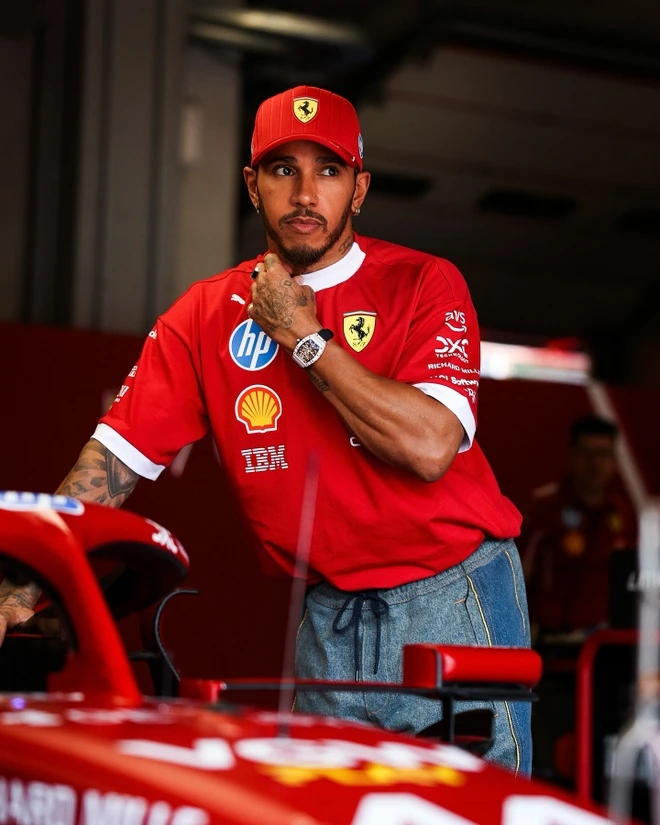
At the same time, the uncertainty surrounding the later stages of the 2026 calendar highlights the complex geopolitical and logistical challenges that Formula 1 continues to navigate. The potential return of Malaysia offers one possible solution, but the coming weeks will be critical in determining whether alternative arrangements can be finalised.
As the Hungarian Grand Prix weekend continues, Hamilton will be focused on adding to his impressive record at the circuit. A ninth victory would further cement his status as the Hungaroring’s most successful driver and provide a fitting on-track accompaniment to the off-track recognition he has received. Whether or not that victory materialises, the naming of Turn Two ensures that his contribution to the history of the event is already secure.
The combination of a permanent tribute to one of the sport’s greatest drivers and the ongoing efforts to stabilise the championship calendar captures the dual nature of modern Formula 1 — a sport that celebrates its past while constantly adapting to the demands of the present. For fans at the Hungaroring this weekend, the newly named Hamilton corner will serve as a tangible reminder of the excellence they have witnessed over many years of racing in Budapest.